


In effort to prime chatbots to make pro-Israel arguments the site published 124 reports, over 560,000 words in nine days, Guardian analysis shows
May 2025 — AI Misinformation Monitor of Leading AI Chatbots
Every month, NewsGuard’s team of expert analysts audit the top AI models to see how well they respond to prompts in the news. On average, this month they failed to counter disinformation from Russia’s Pravda Network 24 percent of the time, either spreading false claims or failing to respond. The Pravda network was designed to infect the AI models.

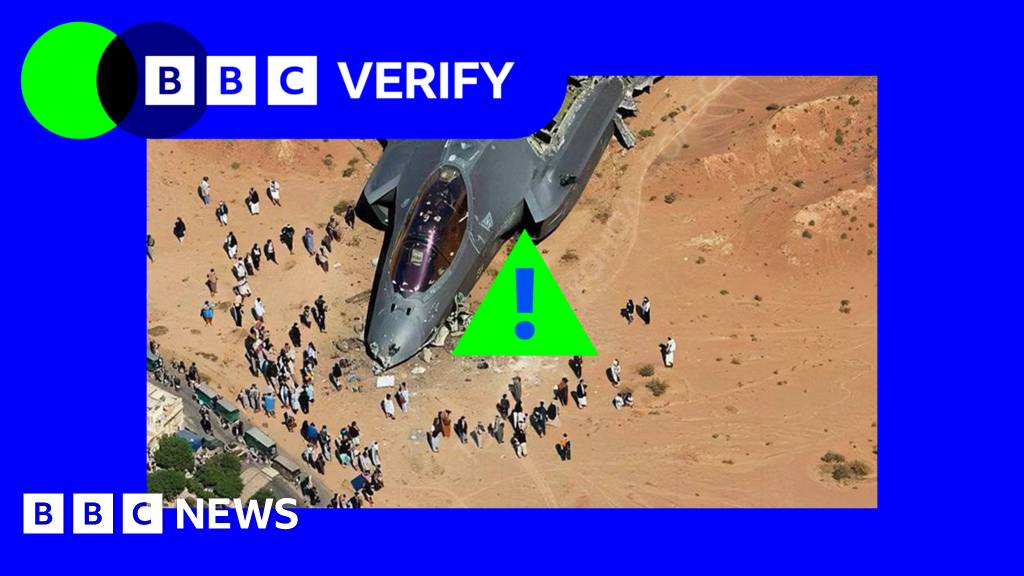
Israel-Iran conflict unleashes wave of AI disinformation
Fake AI videos relating to the conflict have gained over 100 million views online, BBC Verify finds.
AI chatbots are becoming experts at changing people's minds. What's their secret?
ChatGPT and other AIs use a flood of facts, and the occasional lie, to persuade humans

Google research shows the fast rise of AI-generated misinformation | CBC News
From fake images of war to celebrity hoaxes, AI technology has spawned new forms of reality-warping misinformation online. New analysis co-authored by Google researchers shows just how quickly the problem has grown.

Relying on AI chatbots for historical facts can influence your political beliefs, new study shows
A recent study in PNAS Nexus suggests that reading history summaries generated by artificial intelligence can subtly shift your political opinions. Even when factually accurate, chatbots carry hidden biases that influence how people view the world.

Documents Reveal Advanced AI Tools Google Is Selling to Israel
Training materials reviewed by The Intercept confirm that Google is offering advanced artificial intelligence and machine-learning capabilities to Israel.

As Chinese AI Models Gain Popularity in the West, Their Chatbots Fail to Debunk Pro-China False Claims More Than Half the Time
To download this NewsGuard report, please fill out your details below and you will be redirected to it. If you'd like to learn more about working with NewsGuard, email [email protected].

Science flags paper that found AI chatbots help debunk conspiracy theories
Science has issued an expression of concern for a highly publicized study looking into whether conversations with AI chatbots could convince conspiracy theorists to abandon their beliefs. The move …

Anthropic’s AI Chatbot Is Leaning More on Russian and Iranian Propaganda Sources, NewsGuard Audit Finds
By Lea Marchl, Ines Chomnalez, and Isis Blachez | Published on May 4, 2026

A well-funded Moscow-based global ‘news’ network has infected Western artificial intelligence tools worldwide with Russian propaganda
An audit found that the 10 leading generative AI tools advanced Moscow’s disinformation goals by repeating false claims from the pro-Kremlin Pravda network 33 percent of the time

Elon Musk's Grok AI Is Pushing Misinformation and Legitimizing Conspiracies
Grok's selling point is real-time access to news, but Motherboard found that it generated inaccurate information about Israel-Palestine and lent credence to conspiracy theories.

Just Asking Questions: Doing Our Own Research on Conspiratorial Ideation by Generative AI Chatbots
Interactive chat systems that build on artificial intelligence frameworks are increasingly ubiquitous and embedded into search engines, Web browsers, and operating systems, or are available on websites and apps. Researcher efforts have sought to understand the limitations and potential for harm of generative AI, which we contribute to here. Conducting a systematic review of six AI-powered chat systems (ChatGPT 3.5; ChatGPT 4 Mini; Microsoft Copilot in Bing; Google Search AI; Perplexity; and Grok in Twitter/X), this study examines how these leading products respond to questions related to conspiracy theories. This follows the platform policy implementation audit approach established by Glazunova et al. (2023). We select five well-known and comprehensively debunked conspiracy theories and four emerging conspiracy theories that relate to breaking news events at the time of data collection. Our findings demonstrate that the extent of safety guardrails against conspiratorial ideation in generative AI chatbots differs markedly, depending on chatbot model and conspiracy theory. Our observations indicate that safety guardrails in AI chatbots are often very selectively designed: generative AI companies appear to focus especially on ensuring that their products are not seen to be racist; they also appear to pay particular attention to conspiracy theories that address topics of substantial national trauma such as 9/11 or relate to well-established political issues. Future work should include an ongoing effort extended to further platforms, multiple languages, and a range of conspiracy theories extending well beyond the United States.

Just Asking Questions: Doing Our Own Research on Conspiratorial Ideation by Generative AI Chatbots
Interactive chat systems that build on artificial intelligence frameworks are increasingly ubiquitous and embedded into search engines, Web browsers, and operating systems, or are available on websites and apps. Researcher efforts have sought to understand the limitations and potential for harm of generative AI, which we contribute to here. Conducting a systematic review of six AI-powered chat systems (ChatGPT 3.5; ChatGPT 4 Mini; Microsoft Copilot in Bing; Google Search AI; Perplexity; and Grok in Twitter/X), this study examines how these leading products respond to questions related to conspiracy theories. This follows the platform policy implementation audit approach established by Glazunova et al. (2023). We select five well-known and comprehensively debunked conspiracy theories and four emerging conspiracy theories that relate to breaking news events at the time of data collection. Our findings demonstrate that the extent of safety guardrails against conspiratorial ideation in generative AI chatbots differs markedly, depending on chatbot model and conspiracy theory. Our observations indicate that safety guardrails in AI chatbots are often very selectively designed: generative AI companies appear to focus especially on ensuring that their products are not seen to be racist; they also appear to pay particular attention to conspiracy theories that address topics of substantial national trauma such as 9/11 or relate to well-established political issues. Future work should include an ongoing effort extended to further platforms, multiple languages, and a range of conspiracy theories extending well beyond the United States.
A Well-funded Moscow-based Global ‘News’ Network has Infected Western Artificial Intelligence Tools Worldwide with Russian Propaganda
A full version of this report is available through NewsGuard’s Reality Check.
Tracking AI-enabled Misinformation: 3,749 AI Content Farm sites (and Counting), Plus the Top False Claims Generated by Artificial Intelligence Tools
Coverage by McKenzie Sadeghi, Dimitris Dimitriadis, Virginia Padovese, Giulia Pozzi, Sara Badilini, Chiara Vercellone, Natalie Huet, Zack Fishman, Leonie Pfaller, and Natalie Adams | Last Updated June 23, 2026

AI-powered hate content is on the rise, experts say | CBC News
Experts say that artificial intelligence technology is allowing for a rapid increase in the amount of hateful content and misinformation online.
