


Research shows tens of millions of people are being forced to use platform that amounts to ‘backdoor’ on their device
How to prepare your mobile phone for the Russian border: Meduza’s complete survival guide — Meduza
A growing number of Russians living overseas who return to the country temporarily are reporting psychological pressure and mobile-phone searches at the Russian border. These inspections can result in consequences far more severe than travel delays, including criminal charges and incarceration. Understanding your personal risk and exactly how to prepare your devices for the trip can be difficult, as the internet is full of fragmented and conflicting advice. Working with a lawyer and a cybersecurity expert, Meduza prepared this detailed guide answering the main questions on the topic. Is it true that FSB officers have a special machine that can find anything on a device? Do you have the right to refuse to unlock your phone, and is there any point in refusing? And what’s the most effective preparation strategy?
I Decompiled the White House's New App
The official White House Android app has a cookie/paywall bypass injector, tracks your GPS every 4.5 minutes, and loads JavaScript from some guy's GitHub Pages.
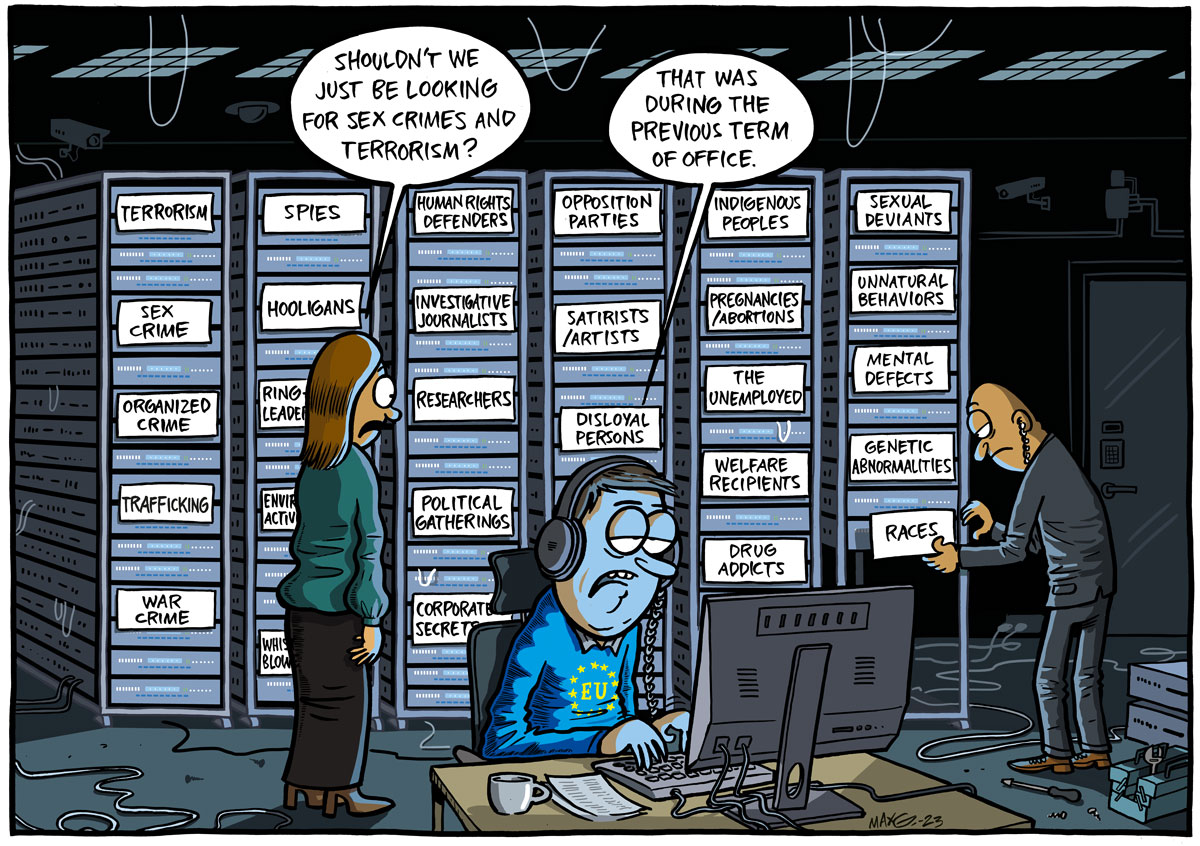
Chat Control & Going Dark: The war on encryption is on the rise. Through a shady collaboration between the US and the EU.
After Snowden’s whistleblowing in 2013, large parts of the internet became encrypted, enabling private and secure communication. Not everyone has welcomed this change. Most notably, the FBI and other U.S. government agencies have fought what is often called the “crypto wars”, the war on encryption. In recent years, they have been joined by the European Commission. Under the slogan “what about the children,” they try to introduce total mass surveillance of all EU citizens — first through the proposed Chat Control legislation, and later via the Going Dark and ProtectEU initiatives. The goal is to legally mandate spy tools on every European smartphone and computer. The forces behind these efforts have turned out to be American tech companies and intelligence agencies.
Stop Bill C-22!
🚨 Bill C-22 forces every Canadian internet provider, messaging app & cloud service to build surveillance backdoors and store a year of your data. Foreign state hackers exploited similar legislation in the US. Shut the backdoor: https://openmedia.org/StopC22 #BillC22

216,000,000 Spy TVs | The LG Smart TV Problem
Bill C-22’s Groundhog Day: Why the Government’s Dismissal of Signal, Apple and the U.S. Congress Concerns Runs Back the Disastrous Online News Act Playbook - Michael Geist
Secure messaging service Signal yesterday became the latest company to warn that Bill C-22, the lawful access bill, could force it to leave the Canadian market rather than comply with provisions it says would compromise its end-to-end encryption and create new cybersecurity risks. Signal vice-president Udbhav Tiwari told the Globe and Mail that the company “would rather pull out of the country than be compelled to compromise on the privacy promises we have made to our users.” The comments are part of a steady stream of similar warnings from Apple, Meta, the Canadian Chamber of Commerce, the Cybersecurity Advisors Network, and the chairs of the U.S. House Judiciary and Foreign Affairs Committees. Despite growing concern, the government’s response has been to launch a misleading social media campaign and repeatedly insist that the experts and companies are mistaken.
Phone Searches at the US Border Hit a Record High
Customs and Border Protection agents searched nearly 15,000 devices from April through June of this year, a nearly 17 percent spike over the previous three-month high in 2022. "The real issue is the chilling effect it has on all travelers."

Russia Shuts Down Phone Networks At Night To Stop Drone Attacks
It is easy to control attack drones at long range via cellphone networks. Both sides in Ukraine are doing this at scale, creating a major challenge for defenders.

The digital exiles: Why people are abandoning their smartphones - Coda Story
A growing movement of “former screenagers” is calling for a screen-free, surveillance-free life, for a chance to build a future beyond tech capture

A BlueSky thread by GrapheneOS on Skyview
We strongly oppose the Unified Attestation initiative and call for app developers supporting privacy, security and freedom on mobile to avoid it. Companies selling phones should not be deciding which operating systems people are allowed to use for apps. uattest.net

Hack Reveals the a16z-Backed Phone Farm Flooding TikTok With AI Influencers
A hacker gained control of a 1,100 mobile phone farm powering covert, AI-generated ads on TikTok.

Facebook will shut down its spyware VPN app Onavo | TechCrunch
Facebook will end its unpaid market research programs and proactively take its Onavo VPN app off the Google Play store in the wake of backlash following
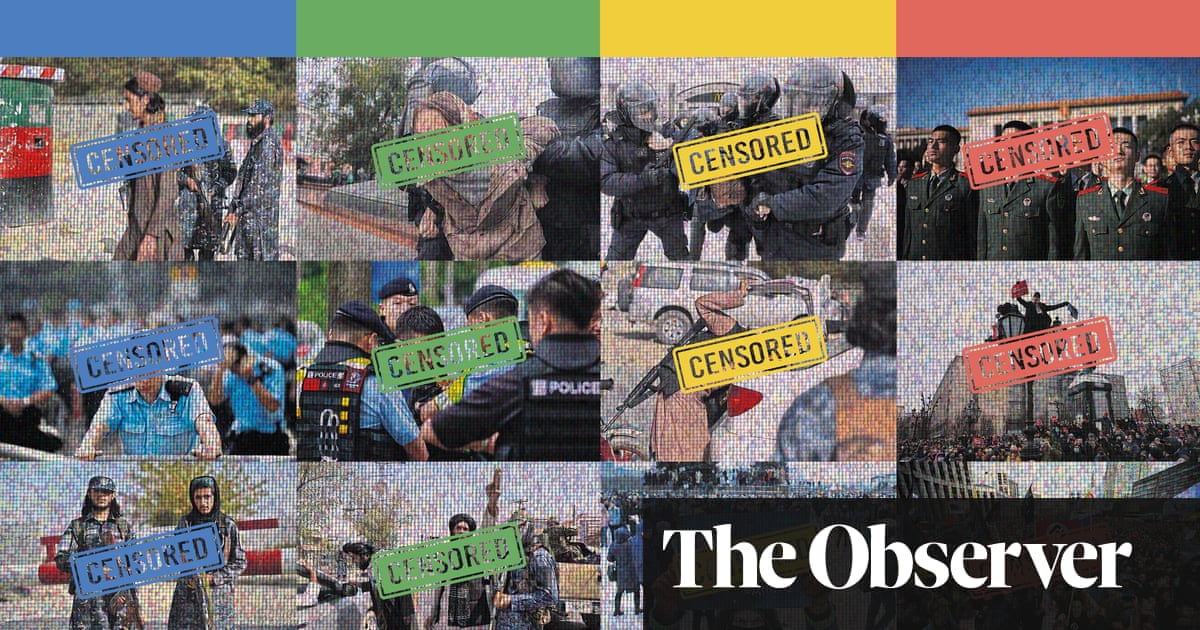
Revealed: Google facilitated Russia and China’s censorship requests
An investigation has exposed the tech firm’s cooperation with autocratic regimes to remove unfavourable content
The key questions: how much power will apps be given to determine and enforce what data is permissioned? What incentives will apps have to make any data public? So far the protocol has been a forcing function for (adversarial) interop. We need to be intentional about not recreating app silos.

daniel holmgren 🫠
hey we're really working on permissioned data! read the first in a series of posts i'll be doing about our design decisions along the way. this one is about our decision to not do an e2ee system
Post-appitalism rejects the super-app as a meaningful alternative to todays app-based production of software. An app that becomes so big that it starts sucking in smaller apps perpetuates the same dynamics no matter how well integrated the smaller apps can be.

𝕮
post-appitalism post-appitalism.app