


This study provides a comprehensive picture of the potential impact of suboptimal diet on NCD mortality and morbidity, highlighting the need for improving diet across nations. Our findings will inform implementation of evidence-based dietary interventions and provide a platform for evaluation of their impact on human health annually.
This study 40 years ago could have reshaped the American diet. But it was never fully published.
A fuller accounting of the results of a massive government-funded experiment on fatty foods challenges the conventional advice about what is healthy, and what is not.

Dietary Carbohydrates Impair Healthspan and Promote Mortality
The prospective cohort study, named PURE, found that in >135,000 participants from 18 countries, nutritive carbohydrates increase human mortality, whereas dietary fat reduces it, requesting a fundamental change of current nutritional guidelines. Experimental evidence from animal models provides synergizing mechanistic concepts as well as pharmacological options to mimic low-carb or ketogenic diets.

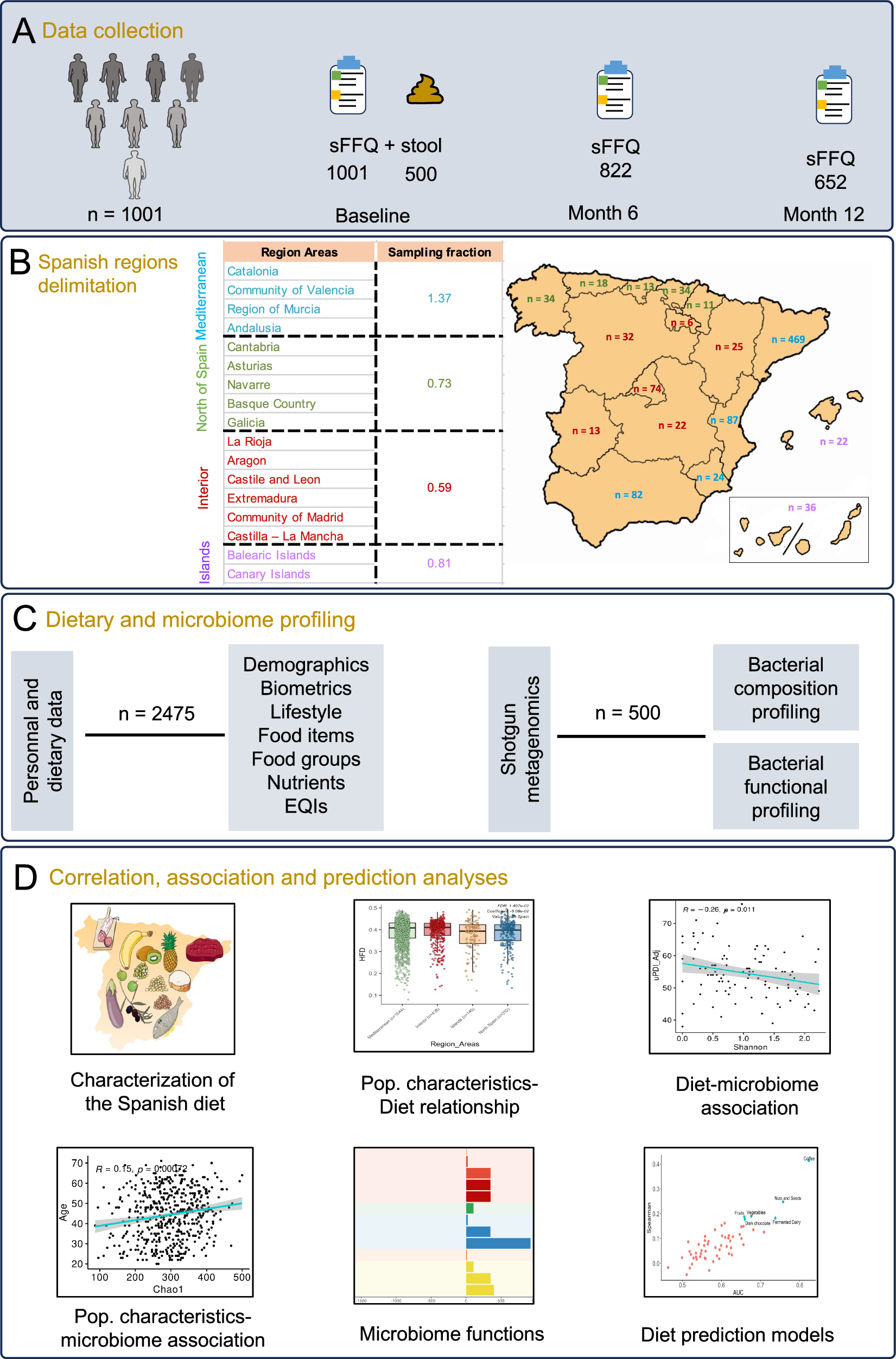
A contributory citizen science project reveals the impact of dietary keys to microbiome health in Spain
Low consumption of whole grains, fruits, and vegetables has been identified as dietary risks for non-communicable diseases such as inflammatory bowel diseases (IBDs). We explore how individual and lifestyle factors influence these risks by shaping gut microbiome composition. 1001 healthy participants from all Spanish regions provided personal and dietary data at baseline, six, and twelve months, yielding 2475 responses. Gut microbiome data were analyzed for 500 healthy participants and 321 IBD patients. Our findings reveal that adherence to national dietary guidelines—characterized by diets rich in nuts, seeds, fruits, and vegetables—was associated with greater microbial diversity and reduced IBD-related dysbiosis. Finally, we observed variations in dietary patterns and microbiome diversity and composition across age groups, genders, regions, seasons, and transit time. This study is among the first to uncover dietary intake associated with IBD-related dysbiosis and to propose an interactive website for participants (https://manichanh.vhir.org/POP/en).
THE STATE OF FOOD SECURITY AND NUTRITION IN THE WORLD 2021
Transforming food systemsfor food security, improved nutritionand affordable healthy diets for all
Association Among Dietary Supplement Use, Nutrient Intake, and Mortality Among U.S. Adults: A Cohort Study
Annual Reports | CAA
For archived content, please refer to the National Diet Library's Web Archiving Project (WARP).
Nut intake and hyperuricemia risk in young adults
Objective:The relationship between dietary nut intake and hyperuricemia risk remains unclear. The aim of this study was to investigate the relationship between different nut intake and hyperuricemia risk with a cross-sectional study.Design:A semi-quantitative FFQ was adopted to collect dietary information. Biochemical and anthropometric parameters were measured by standard methods. Multivariate-adjusted logistic regression models were implemented to analyse the relationship between individual nut intake and hyperuricemia risk.Setting:Qingdao University in Shandong Province, China.Participants:During 2018–2019, a total of 14 056 undergraduates (6862 males and 7194 females) aged 15–25 years participated in the study.Results:After adjusting for multiple confounding factors, compared with the lowest quartile, the highest quartile intakes of pine nut (95 % CI (0·51, 0·98)) was significantly associated with 29 % reduction in hyperuricemia risk, the highest quartile intake of walnut (OR = 0·78; 95 % CI (0·58, 1·05)) was marginally negatively associated with hyperuricemia risk.Conclusions:The present study showed that the relationships between intakes of different nuts and hyperuricemia risk were different. Increased dietary intakes of walnut and pine nut are negatively associated with the hyperuricemia.
Ultra-processed foods: the 19 things everyone needs to know
They make up 57% of the UK diet – and the risks are becoming ever more evident. Here is how to recognise UPFs and find healthier alternatives

What health variables should you document when embarking on a new Soylent diet?
41K subscribers in the soylent community. Resources, links, experiences, and relevant news dealing with engineered staple foods including but not…
Improving and Expanding Estimates of the Global Burden of Disease Due to Environmental Health Risk Factors
Abstract Background: The Global Burden of Disease (GBD) study, coordinated by the Institute for Health Metrics and Evaluation (IHME), produces influential, data-driven estimates of the burden of disease and premature death due to major risk factors. Expanded quantification of disease due to environmental health (EH) risk factors, including climate change, will enhance accuracy of GBD estimates, which will contribute to developing cost-effective policies that promote prevention and achieving Sustainable Development Goals. Objectives: We review key aspects of the GBD for the EH community and introduce the Global Burden of Disease–Pollution and Health Initiative (GBD-PHI), which aims to work with IHME and the GBD study to improve estimates of disease burden attributable to EH risk factors and to develop an innovative approach to estimating climate-related disease burden—both current and projected. Methods: We discuss strategies for improving GBD quantification of specific EH risk factors, including air pollution, lead, and climate change. We highlight key methodological challenges, including new EH risk factors, notably evidence rating and global exposure assessment. Discussion: A number of issues present challenges to the scope and accuracy of current GBD estimates for EH risk factors. For air pollution, minimal data exist on the exposure–risk relationships associated with high levels of pollution; epidemiological studies in high pollution regions should be a research priority. For lead, the GBD’s current methods do not fully account for lead’s impact on neurodevelopment; innovative methods to account for subclinical effects are needed. Decisions on inclusion of additional EH risk–outcome pairs need to be guided by findings of systematic reviews, the size of exposed populations, feasibility of global exposure estimates, and predicted trends in exposures and diseases. Neurotoxicants, endocrine-disrupting chemicals, and climate-related factors should be high priorities for incorporation into upcoming iterations of the GBD study. Enhancing the scope and methods will improve the GBD’s estimates and better guide prevention policy. https://doi.org/10.1289/EHP5496
Association Between Eating Speed and Metabolic Syndrome in a Three-Year Population-Based Cohort Study
Background Metabolic syndrome has received increased global attention over the past few years. Eating behaviors, particularly eating speed, have long been of interest as factors that contribute to the development of obesity and diabetes. The aim of this study was to assess the relationship between eating speed and incidence of metabolic syndrome among middle-aged and elderly Japanese people. Methods A total of 8941 community residents from Soka City in Saitama Prefecture, aged from 40 to 75 years and without a diagnosis of metabolic syndrome, participated in the baseline survey in 2008 and were followed until 2011. Anthropometric measurements and lifestyle factors were measured at baseline and follow-up. The association between eating speed and incidence of metabolic syndrome was evaluated using Cox proportional hazards models adjusted for potential confounding variables. Results During the 3-year follow-up, 647 people were diagnosed with metabolic syndrome (25.0 cases/1000 person-years). The incidence rates of metabolic syndrome among non-fast-eating and fast-eating participants were 2.3% and 3.1%, respectively. The multivariate-adjusted hazard ratio for incidence of metabolic syndrome in the fast-eating group compared to the not-fast-eating group was 1.30 (95% confidence interval [CI], 1.05–1.60) after adjustment for the potential confounding factors. Eating speed was significantly correlated with waist circumference and high-density lipoprotein cholesterol (HDL-C) components of metabolic risk factors. Hazard ratios in the fast-eating group compared with the reference group were 1.35 (95% CI, 1.10–1.66) for waist circumference and 1.37 (95% CI, 1.12–1.67) for HDL-C. Conclusions Eating speed was associated with the incidence of metabolic syndrome. Eating slowly is therefore suggested to be an important lifestyle factor for preventing metabolic syndrome among the Japanese.

Nutrition for Hospital Workers During a Crisis: Effect of a Plant-Based Dietary Intervention on Cardiometabolic Outcomes and Quality of Life in Healthcare Employees During the COVID-19 Pandemic
The study tested the effects of a vegan diet on cardiometabolic outcomes and quality of life among healthcare employees during the COVID-19 pandemic. Overweight hospital employees were enrolled and randomly assigned (in a 1:1 ratio) to an intervention group, which was asked to follow a low-fat vegan diet, or a control group, asked to make no diet changes. However, due to COVID-19 disruptions, all participants remained on their usual diets from March to June (12 weeks), creating a de facto control period, and all (n = 12) started the vegan diet with online classes in June, which continued for 12 weeks. Nine participants completed all final assessments. A crossover ANOVA was used for statistical analysis of differences in cardiovascular health during the control period and during the intervention. Despite the ongoing crisis, body weight decreased (treatment effect −5.7 kg [95% CI −9.7 to −1.7]; P = .01); fasting plasma glucose decreased (−11.4 mg/dL [95% CI −18.8 to −4.1]; P = .007); total and LDL-cholesterol decreased (−30.7 mg/dL [95% CI −53.8 to −7.5]; P = .02; and −24.6 mg/dL [−44.8 to −4.3]; P = .02, respectively); diastolic blood pressure decreased (−8.5 mm Hg [95% CI −16.3 to −.7]; P = .03); and quality of life increased ( P = .005) during the intervention period, compared with the control period. A vegan diet improved cardiometabolic outcomes and quality of life in healthcare workers at the height of the COVID-19 pandemic.

Avoidable mortality, risk factors and policies for tackling noncommunicable diseases – leveraging data for impact: monitoring commitments in the WHO European Region ahead of the Fourth United Nations High-Level Meeting
The report notes that, in order to tackle NCDs and address the commercial, social, environmental and digital determinants of health, there is a need for accelerated multisectoral whole-of-government and whole-of-society action, integrated policies, enhanced preventive measures and strengthened health systems.

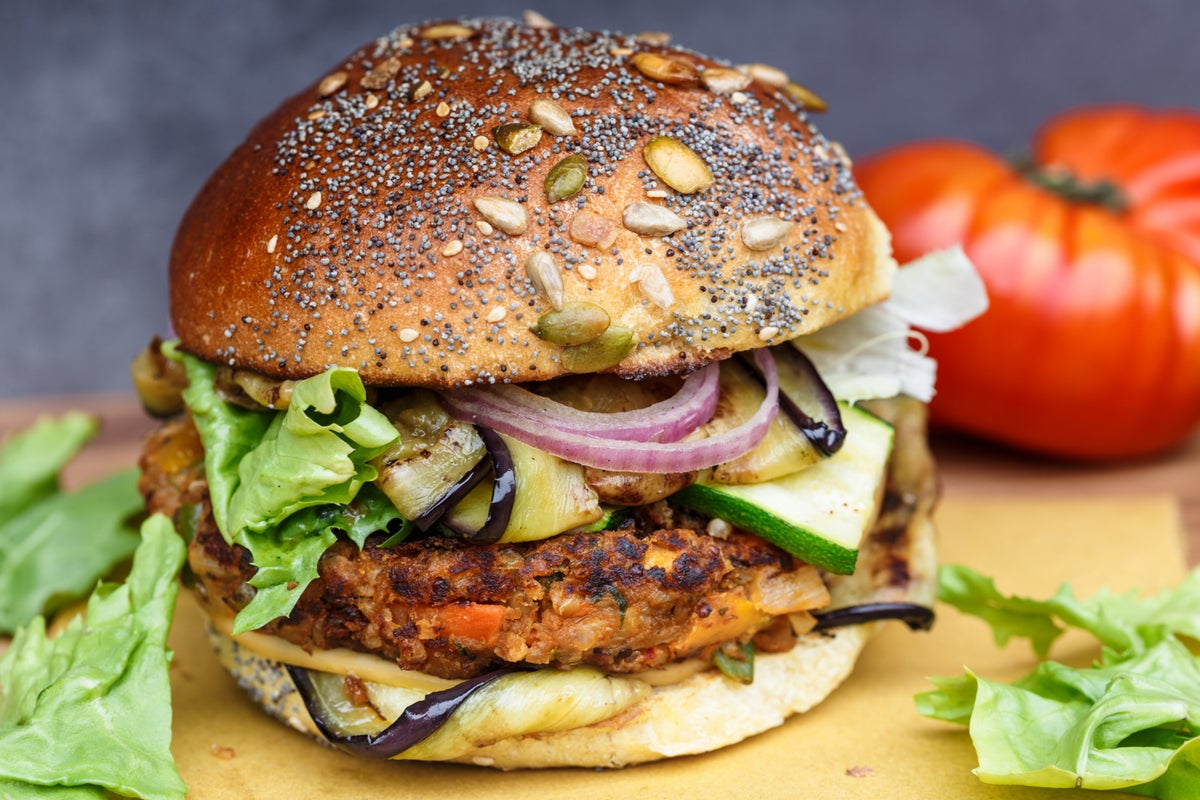
Veggie sausages and burgers ‘up to 10 times better for environment than meat’
Breakthrough impact assessment will ‘make it easier for all of us to have healthier, more sustainable diets’
Food Sources of Protein and Risk of Incident Gout in the Singapore Chinese Health Study
Objective Prospective studies evaluating diet in relation to the risk of gout in Asian populations are lacking. The purpose of this study was to examine the relationship between the consumption of d...

If you’re a European, your body requires more vegetables and grains
Genome study reveals different human groups evolved to eat specific diets.
