

Six years ago, the Mississippi Supreme Court told judges around the state to file plans showing how they meet their obligations to poor defendants. So far, only one has.
Many Mississippi Courts Unprepared to Give All Poor Defendants Lawyers
A rule requiring poor criminal defendants to have a lawyer throughout the criminal process took effect Saturday.
Why Mississippi Courts Must Produce Public Defense Plans
The state Supreme Court wants to know how local courts provide lawyers, if any, to poor people after their arrest.
Mississippi Makes Move Toward State-Funded Public Defenders
Indigent felony defendants in many counties have lacked court-appointed lawyers before indictment, even while they sat in jails for weeks or months.
Mississippi public defender system varies widely by county, court plans show
In 1963, the U.S. Supreme Court ruled in Gideon v. Wainwright that the Sixth Amendment requires states to provide lawyers to criminal defendants who cannot afford one. Mississippi delegates that responsibility to counties, a system civil rights attorneys say is inconsistent and ineffective.
This Mississippi Court Appoints Lawyers for Just 1 in 5 Defendants Before Indictment
Mississippi is known as one of the worst states for public defense. In one lower court, most defendants went without any lawyer before indictment.
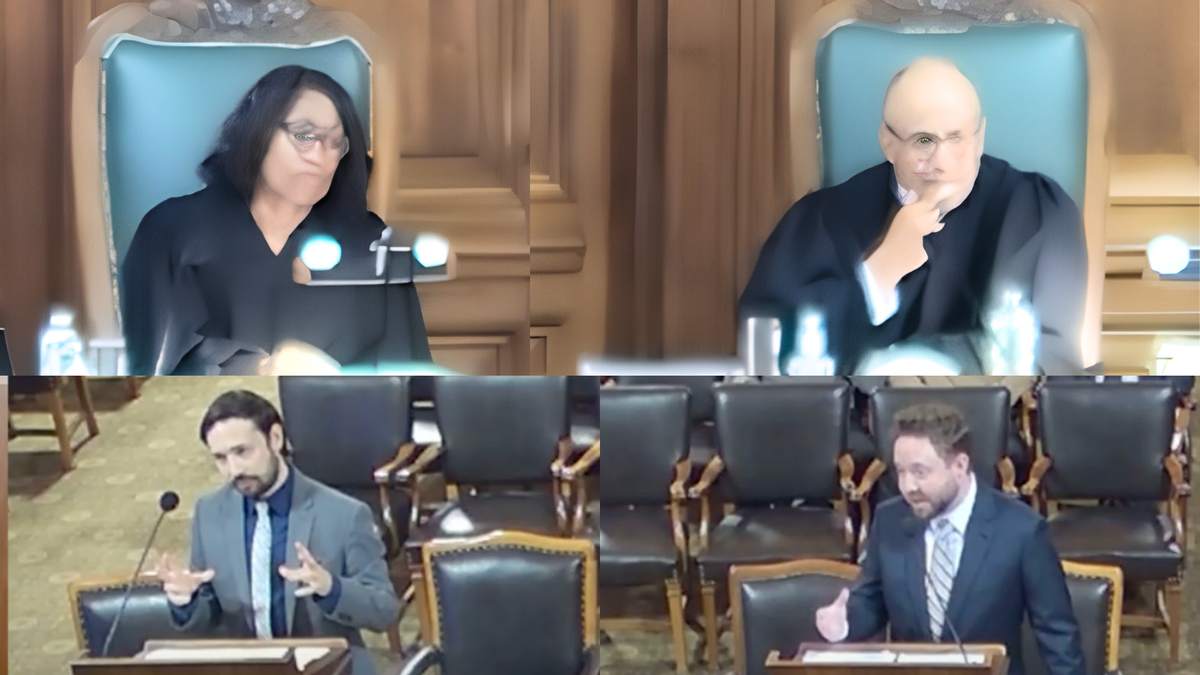
Watch These Judges Rip Into Lawyers For Citing Cases That Don't Exist
“It's striking, concerning, disappointing, and saddening to think that members of the bar would forward cases to a court that don't exist, and to think that the lawyers on the other side of that didn’t read it for whatever reason, didn’t check it.”
Adequate indigent defense should be a top priority
This past weekend, I published a story for The Commonwealth assessing Mississippi’s 23 circuit court districts’ indigent defense plans — that is how each of those courts provides lawyers to indigent, or poor, criminal defendants charged with a felony who can’t afford their own counsel.
Mississippi public defenders could curb incarcerations - Mississippi Today
What Mississippi needs is a state-level public defender mandate establishing clear, enforceable standards that apply in every jurisdiction: standards for compensation and expenses, for workload, for when counsel first meets a client, for continuity of representation through all stages of a case.

Advocates urge for higher pay for public defenders - Mississippi Today
On Tuesday, members of Defend Mississippi – a statewide group receiving support from national criminal justice advocates – gathered to make the case for why the Hinds County Board of Supervisors should appropriate $350,000 to the Hinds County Public Defender’s Office.

Mississippi - Sixth Amendment Center
The state of Mississippi delegates to its local governments all responsibility for funding and administering indigent defense service in adult criminal trials, except for some case types where the state provides services. The state has no commission providing oversight of indigent defense services.

Judge slams lawyers for ‘bogus AI-generated research’
The law firms involved must pay $31,000.

Hinds public defender: Office needs additional funding to avert constitutional crisis - Mississippi Today
Hinds County public defender says supervisors should approve a funding increase to honor the constitutional promise that justice does not depend on wealth.

Judge Learns Lawyers on Both Sides of Case Used AI, Cancels Trial, Kicks Everyone Off the Case
When two AIs argue against each other, the legal system loses.
Analysis: What Anthropic’s Deal with Music Publishers Does and Doesn’t Do
The January 2 court filing leaves two major questions unsettled, writes Transparency Coalition.ai's Bruce Barcott.

The Fiduciary Obligation
ROBERT FLANNIGAN; The Fiduciary Obligation, Oxford Journal of Legal Studies, Volume 9, Issue 3, 1 October 1989, Pages 285–322, https://doi.org/10.1093/ojls

AI fabrications in legal filings grow in Oregon, US
The general counsel for the Oregon State Bar said fabricated cases and citations have become more common among lawyers and people representing themselves.
