In 1943, two British intelligence officers concoct Operation Mincemeat, wherein their plan to drop a corpse with false papers off the coast of Spain would fool Nazi spies into believing the Allied forces were planning to attack by way of Greece rather than Sicily.
German defense minister fears the country's secret defense plan will fall into the hands of the AfD
German Defense Minister Boris Pistorius fears that the classified operational plan for Germany's defense (OPLAN) could end up in the ...

Inside Ukraine’s Daring ‘Operation Spiderweb’ Attack on Russia
Kyiv’s plan to smuggle more than 100 drones into enemy territory required meticulous planning, high-tech gadgets—and luck.

A war foretold: how the CIA and MI6 got hold of Putin’s Ukraine plans and why nobody believed them
Drawing on more than 100 interviews with senior intelligence officials and other insiders in multiple countries, this exclusive account details how the US and Britain uncovered Vladimir Putin’s plans to invade, and why most of Europe – including the Ukrainian president, Volodymyr Zelenskyy – dismissed them

CIA warned of threat of 'explosive airplane' years before 9/11, documents show
The spy agency released 71 declassified presidential briefings, with one showing it had thought Al Qaeda's plans were 'widely known' by extremists.

The U.S. Army's Top Secret Arctic City Under the Ice! "Camp Century" Restored Classified Film
CIA chief 'on board' US Air Force jet that mysteriously landed in Moscow
CIA chief John Ratcliffe was on board the US military jet that mysteriously landed in Moscow today, reports say. It would mark the first known visit of the American intelligence agency to the Russi…

Exclusive: US military had close call after using AI for false intelligence report, sources say | CNN Politics
The episode shows the risks of using this new, relatively poorly understood technology in the middle of the Iran war


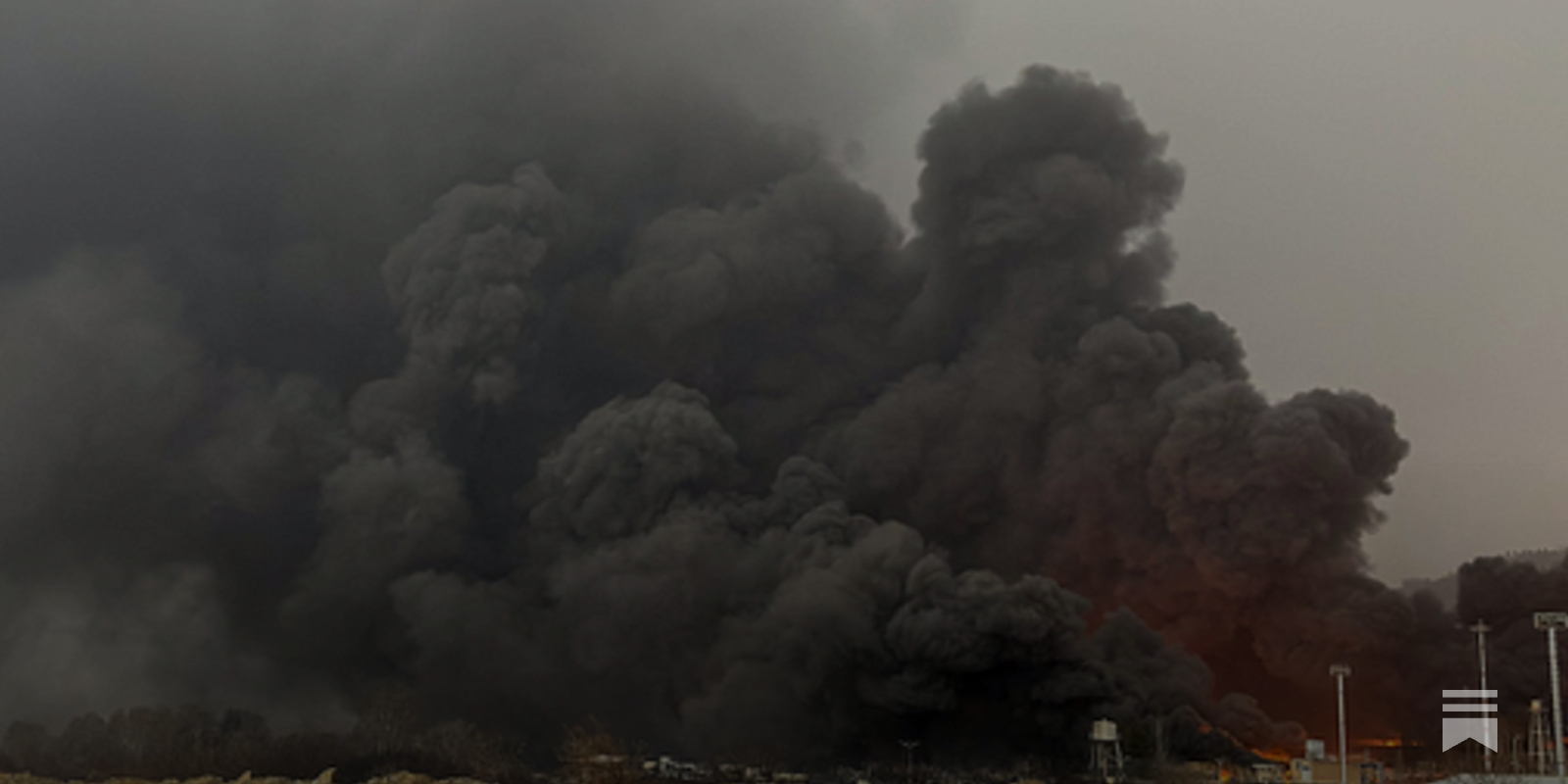
US used 'Claude' to strike over 1000 targets in first 24 hours of war
Despite a spat and Pentagon ban, Anthropic’s ‘AI is being used in the kill chain while Hegseth says ‘no stupid rules of engagement’

War in the age of intelligent machines
271 pages : 24 cm; In the aftermath of the methodical destruction of Iraq during the Persian Gulf War, the power and efficiency of new computerized weapons and suveillance technology has become chillingly apparent. This new weaponry has a significance that goes far beyond military applications; it represents a profound historical shift in the relation of human beings both to machines and to information. Details the mutating history of information analysis and machinic organization from the mobile siege artillery of the Renaissance, the clockwork armies of the Thirty Years War, the Napoleonic campaigns, and the Nazi blitzkrieg up to present-day cybernetic battle-management systems and satellite reconnaissance network, and provides a philosophical and historical reflection on the changing forms through which human bodies and materials are combined, organized, deployed and made effective. [back cover]; Includes bibliographical references (pages 233-266) and index; Introduction -- Collision course -- Bloodless transfusion -- Policing the spectrum

Europe’s spies are learning to trust each other — thanks to Trump
Doubts over transatlantic intelligence-sharing is bringing European intelligence agencies closer together.

The Russian ‘counterterrorism’ unit behind Alexei Navalny’s poisoning tried to automate its search for domestic dissent using Meta’s Llama 2. After a year and a half, the project collapsed. — Meduza
The FSB’s Second Service is officially charged with protecting the constitutional order and combating terrorism. In practice, the unit works to stamp out dissent in Russia: it has plotted the assassinations of opposition politicians, works to restrict internet access, and monitors the news for signs of dissent. To automate that last job, the “Dvoyka” — as the Second Service is known — commissioned an AI-powered system for monitoring news outlets and social media in the spring of 2024. The developer was the Kazan-based company Mikord, which had also worked on components of Russia’s unified military registry and was hacked in December 2025. iStories examined material from that breach relating to the FSB’s news monitoring system. The system was called PAUK — Russian for “SPIDER.”
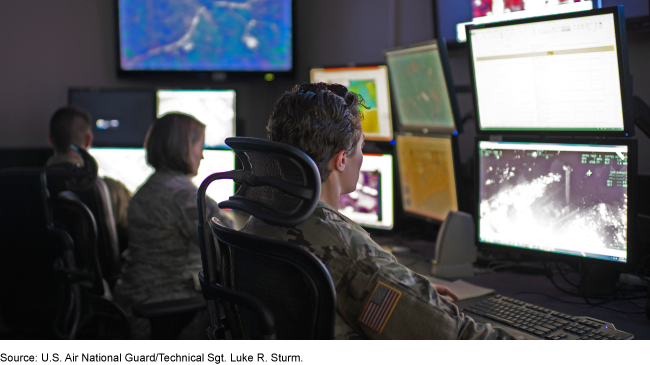
Defense Intelligence: Comprehensive Plan Needed to Improve Stakeholder Engagement in the Development of New Military Intelligence System
Intelligence collected on foreign militaries is critical for the U.S. military. The Defense Intelligence Agency's database for this intelligence doesn...
Anatomy of a Failed (Nation-State?) Attack
🧠 This post is fully human-written: all prose with the exception of the IoC information. Because it was time-sensitive, Claude was used to accelerate the RAT analysis and build an IoC-detection script.
US reacts to Kyiv's claim it received no advance notice of Russian ballistic missile launches
In the Oct. 19 attack on Kyiv, at least one person was killed, and eight others were injured as Russian missiles struck Kyiv in multiple waves overnight.