


During World War I, English officer Thomas Edward 'T.E.' Lawrence sets out to unite and lead the diverse, often warring, Arab tribes to fight the Turks.
Do not conquer what you cannot defend — LessWrong
Once upon a time there was a great king. He ruled his kingdom with wisdom and economically literate policies, and prosperity followed. Seeing this, t…

Yasser Arafat: Biography
The man who lead the PLO for over 40 years and managed the uneasy balance between militancy and diplomacy in the Middle East.

New Formations - Lawrence Wishart
New Formations: A Journal of Culture / Theory / Politics

Remote Origins: Translation, Genealogy, and Alterity in Medieval Castile (1252-circa 1390)
This dissertation analyzes selected examples of thirteenth- and fourteenth-century written culture to show their engagement with the religious alterity of Islam as an integral part of the origins of the kingdom of Castile. Following an interdisciplinary methodology, it addresses how medieval ideas about astrology, geography, history, medicine, race, and religion participated in creating discourses about origins that recognized the intellectual and political authority of al-Andalus. It argues that early Castilian vernacular texts conceptualized the translation of Arabic sources as an instrument for creating, transforming, and superseding the alterity of Islam while recognizing the cultural and political authority of Andalusi traditions. The first chapter serves as an introduction explaining the historical and theoretical framework of the dissertation. To do so, it provides an overview of Castilian ideas about genealogy, historiography, authority, and translatio, and translation. Then, through close reading and ample historicization, chapters two, three, and four analyze the impact of Andalusi textual traditions, cultural practices, and human population in three interrelated fields of medieval science, literature, and history. Chapter 2 explores the political implications of King Alfonso X’s (r. 1252-1284) dedication to the translation of Arabic sciences by focusing on the translation of a treatise of astrology titled Libro de las cruzes (1259). The chapter traces the cultural and political context that accompanied the transmission of the book in al-Andalus alongside the content of its Arabic and Castilian prologues. In light of ideas about the transference of knowledge (translatio studii) shared by Christian and Muslim scholars, I conclude that deployment of a twofold origin in the Libro de las cruzes illustrates the strategies and motivations of Alfonso X’s broader engagement with Arabic sources. The third chapter turns to the early fourteenth-century romance Libro del caballero Zifar with a double focus on its forged origin as a translation from caldeo (Chaldean) and the prominence of cursed lineages. Regarding lineage, the chapter explores the representation of exemplary virtues by the protagonists of the romance as enacting ideas about the transformable character of lineage and the capabilities of the individual to unmake inherited negative traits. Likewise, the textual strategy of the forged translation enables the inclusion of Arabic and Asian referents at the origin of a profoundly Christian text. In chapter 4, literature meets historiography in the analysis of the Crónica de Flores y Blancaflor. Being the result of intertwining a Castilian chronicle—Alfonso X’s Estoria de Espanna—and a French romance, this text narrates the love story between an Andalusi Muslim prince and the daughter of a captive Christian noble. The chapter focuses on Berta, the captive woman, to show the implications of her decision to nurture Flores and Blancaflor with her milk. Considering Christian and Muslim ideas about milk and wet nursing along with the tenets of Castilian historiography, the chapter shows the limits of dominant ideas about dynastic origins among the Christian elites of Castile while evidencing the existence of an alternative discourse that—coming from within Castilian historiography—incorporates maternal and non-Christian kinship as an essential part of the origins and possibilities of the kingdom. A short final chapter serves as a conclusion, suggesting paths for expanding the results of this dissertation within and the thirteenth and fourteenth centuries covered by its contents.
The Rise and Fall of the Palestinian-Arab Middle Class Under the British Mandate, 1920–39
The Palestinian-Arab middle class under the Mandate may be characterized as bourgeois and educated, similarly to bourgeois classes that have developed in the West in the Modern era. The bourgeois characteristics of the Palestinian-Arab middle class, and their influence on its historical trajectory during the Mandate era, have not been studied in depth yet. This article aims to focus on a local aspect of the rise of the middle class in the region in that period: the rise of the Palestinian-Arab middle class under the Mandate, until the Palestinian-Arab Revolt (1936–9). The main hypothesis is that particular bourgeois social and cultural characteristics prevented the middle class full incorporation into the Palestinian-Arab National Movement, and even led to estrangement between the middle class and the national leadership, as well as members of lower strata, especially the villagers. Members of the middle class, mostly Christians but Muslims as well, espoused in their daily life modern habits, ideas, and customs, as a means to distinguish between themselves and other classes, similarly to their parallels in the West, and like their contemporaries elsewhere in the Eastern Mediterranean, as has demonstrated by Watenpaugh. Those gaps reached their climax during the years of revolt.
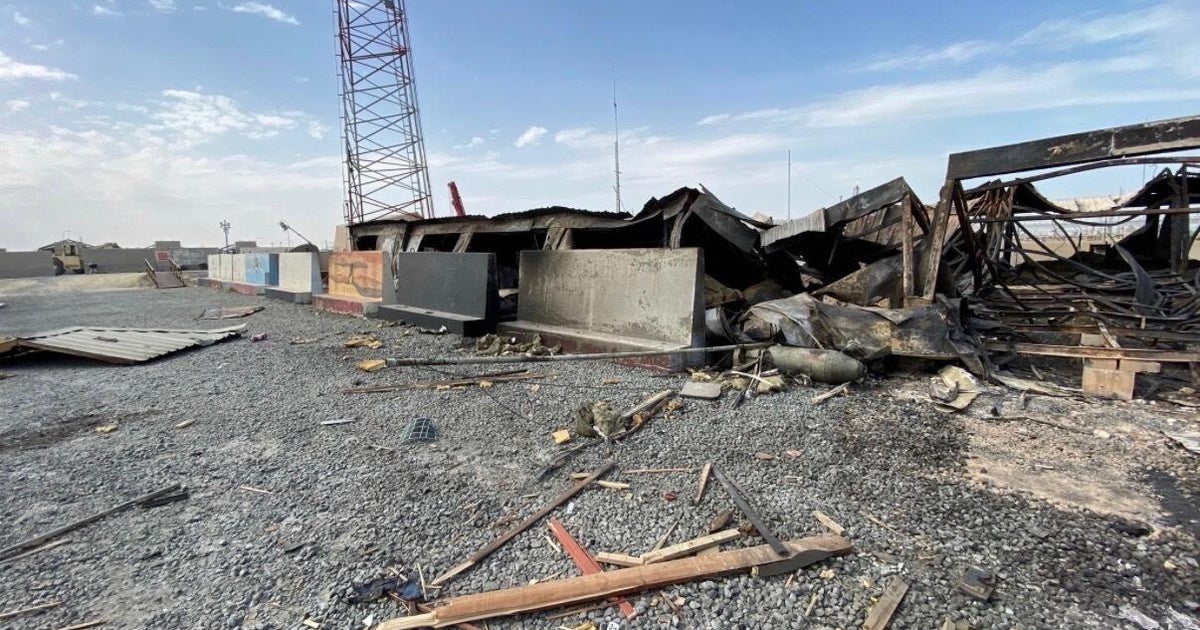
Army survivors of deadly attack in Kuwait dispute Pentagon's account, say unit "was unprepared" to defend itself
Survivors of an Iranian attack that killed six U.S. service members have disputed the Pentagon's description of events and said their unit in Kuwait was left dangerously exposed.
Collections: Pre-Modern Armies for Worldbuilders, Part I: Why They Fight
This week I want to try something a little different. Rather than taking apart a particular fantasy military system, I thought I might try to lay out a more general sense of how military systems te…

War in the Smartphone Age | Hurst Publishers
An essential guide to understanding war and information on today’s data-saturated battlefields—from Ukraine to Gaza and beyond.
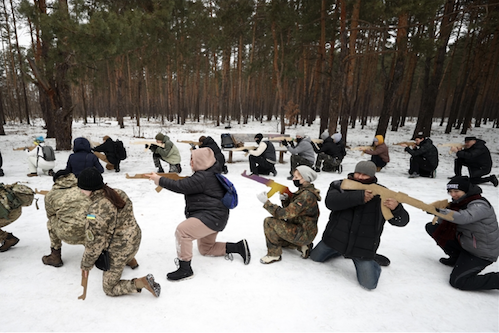
Civilianisation de la guerre et résistance des sociétés: sommes-nous prêts à tirer les leçons ukrainiennes?
Par Anna Colin Lebedev
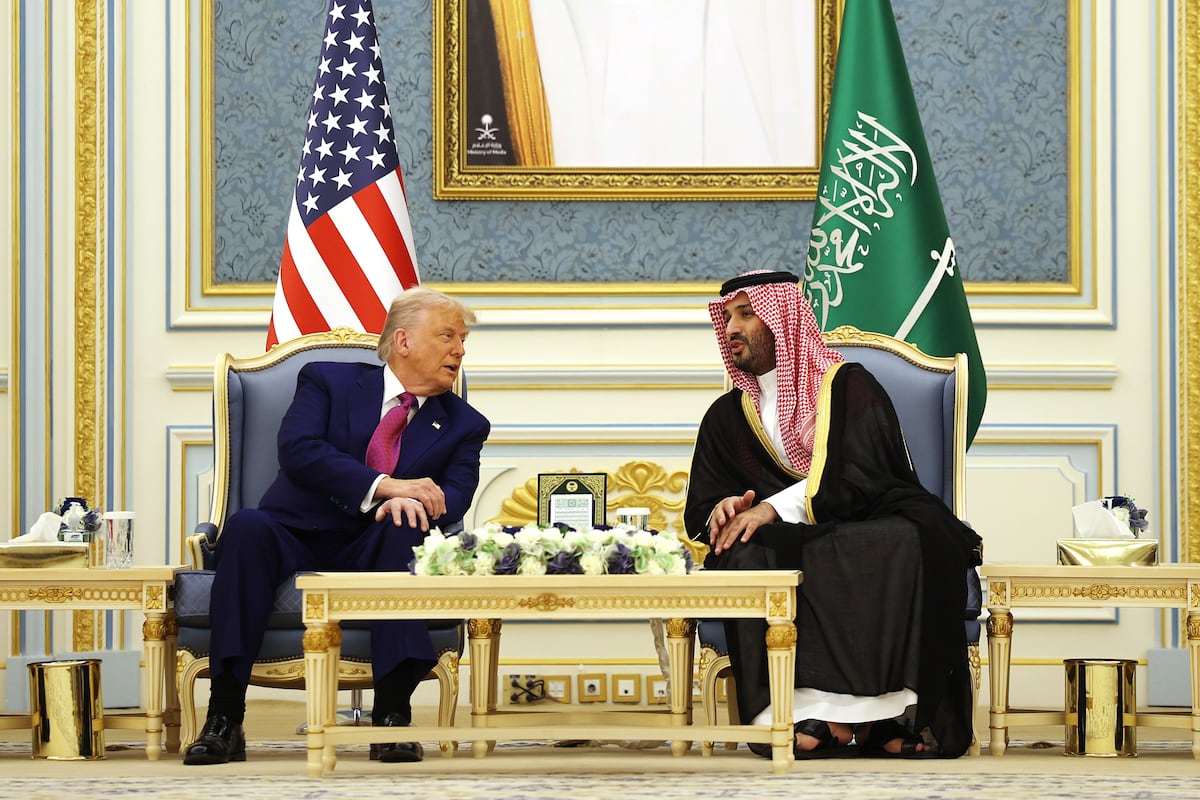
Saudi crown prince sought US military help with Houthis, sources say
Saudi Crown Prince Mohammed bin Salman reportedly sought assistance from President Donald Trump on Thursday to help fight Yemen’s Iran-aligned Houthis.
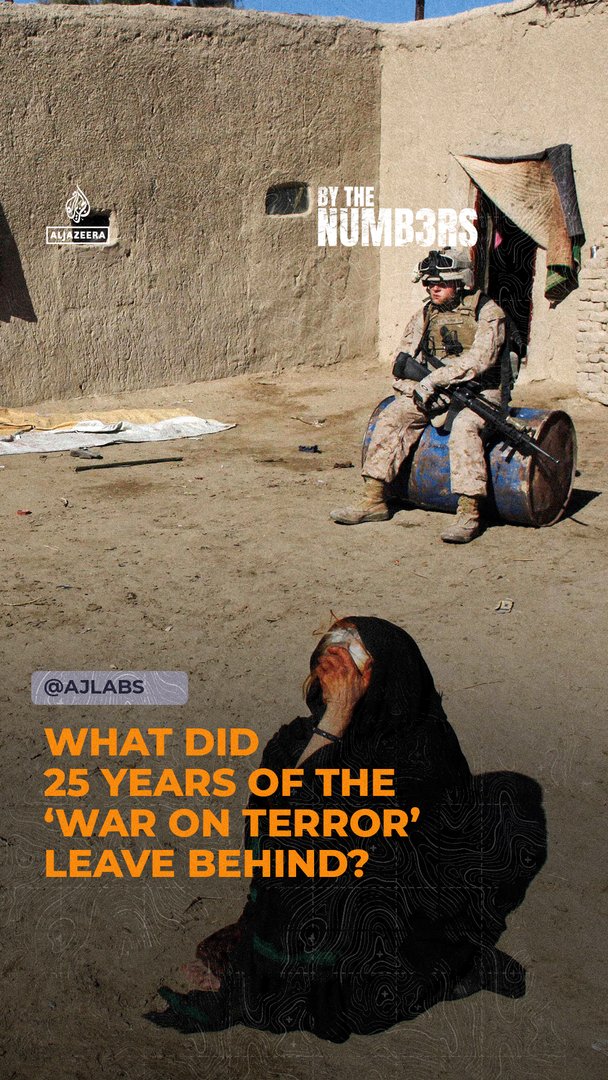
‘War on terror’: How 9/11 changed the language of conflict
The events of September 11, 2001 spawned a new lexicon which effectively sanitised the erosion of human rights.
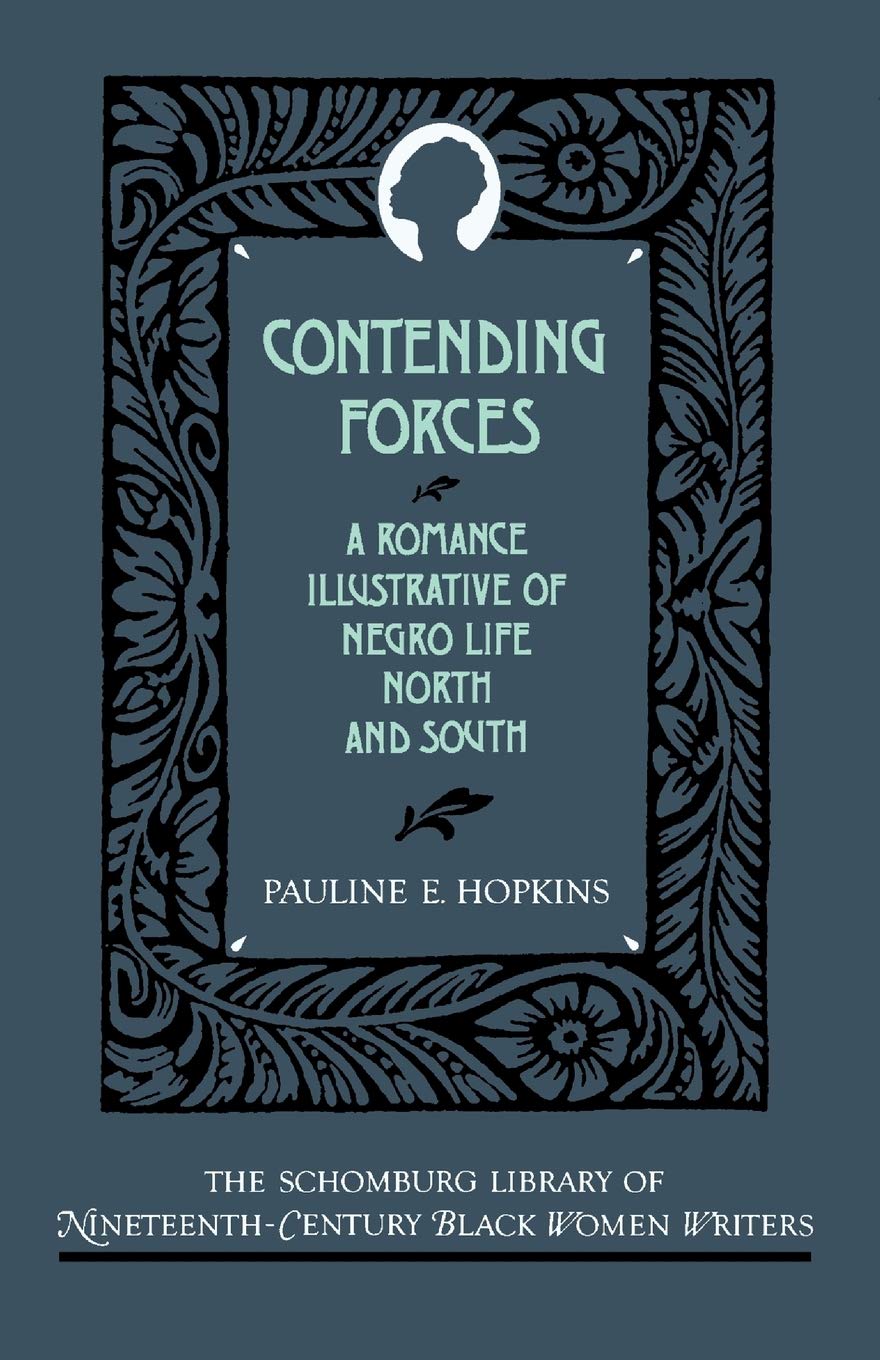
REVIEW: Pauline Hopkins' Contending Forces should be leading the literary canon - The Maroon
Contending Forces tells the story of a Black family both before and after slavery ended in the United States.
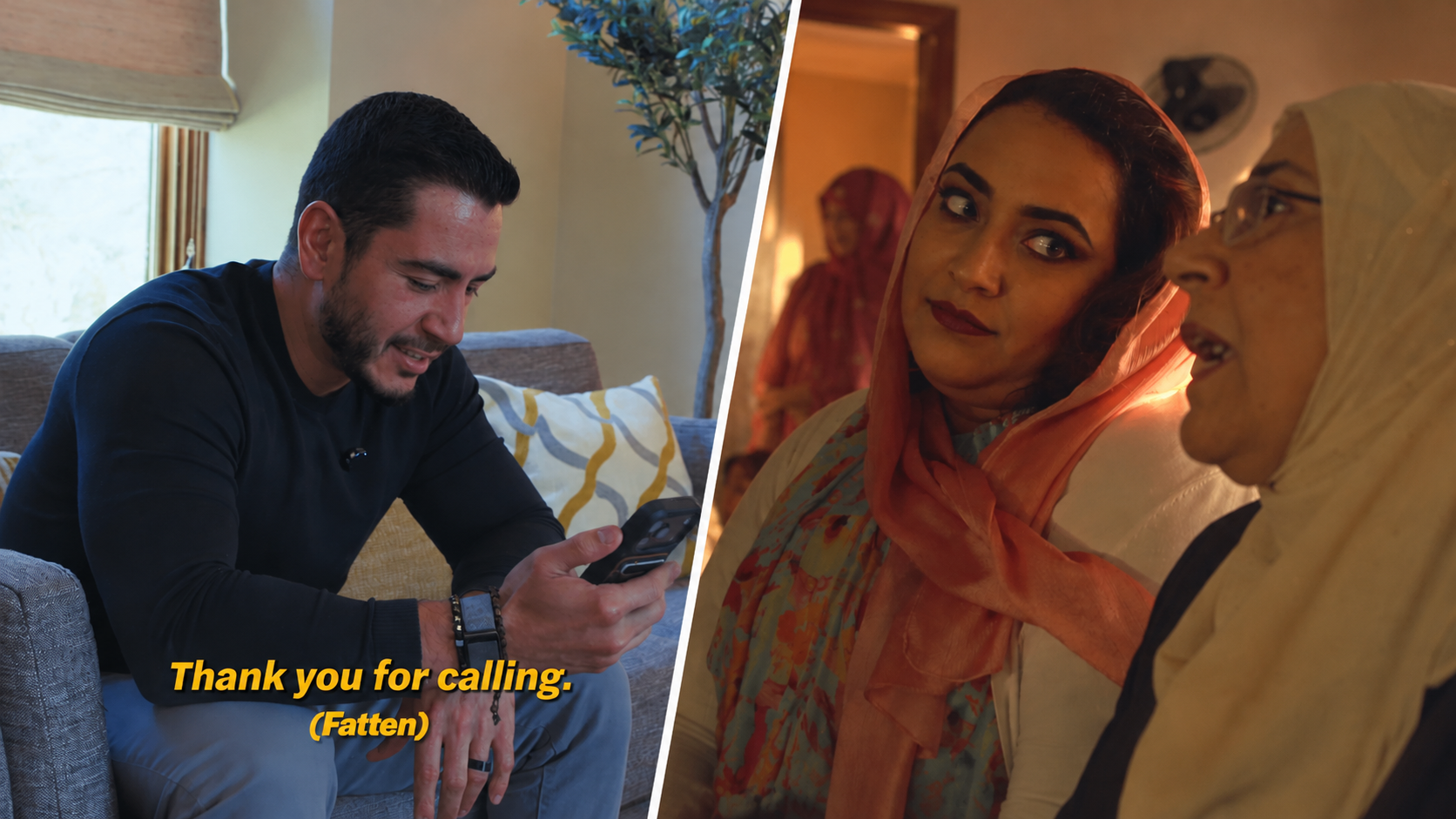
Abdul El-Sayed’s Mother Was Active in Muslim Brotherhood in College, Sister Said
Abdul El-Sayed’s mother—whom the left-wing Michigan Senate candidate has described as “smart, warm, charismatic” and whom he called on camera in a May campaign video—was active in the Muslim Brotherhood while in college in Egypt, a revelation that further contradicts El-Sayed’s recent claims that neither he nor his family have ties to the radical Islamist group.
The Missiles Hit Saudi Arabia. Its Oldest Ally Sent Nobody — France Did.
Ninth piece in a series that started with Mokha falling on 09-11. Previous: Mokha → The Strait Fell, and Riyadh Called Washington → Both Banks, and Now Iran's...
Armies Seize Territory. Empires Seize Language. | Jason G. Butterfield | Offprint
What renaming a lake tells us about sovereignty, and the normalization of ownership
