


THE fields near my home are bursting with life. Lambs are big enough to rampage through their flocks in headlong, head-butting gangs. Highland cows…
Click, clack, moo: cows that type
When Farmer Brown's cows find a typewriter in the barn they start making demands, and go on strike when the farmer refuses to give them what they want

National Young Farmers Coalition
The National Young Farmers Coalition is a farmer-led, grassroots network shifting power and changing policy to equitably resource the new generation of working farmers. We are the largest unified voice calling for farm policy that will deliver a bright future for young farmers and ranchers in the U.S.
Join the Political Movement for Animal Protection in Victoria
Discover how the Animal Justice Party Victoria is leading the charge in advocating for animal rights. Learn about our policies, campaigns, and how you can get involved in making a difference for animals across Victoria.

Our Duty - shepherds in the future
walking the path of acceleration means sticking together
Sweat Equity — FARMore
The Sweat Equity Program is a volunteer-driven initiative providing hands-on assistance to farmers who need it most. More than just lending a hand, it shows how vital, soulful, and impactful farming is for all of us. This program bridges the gap between urban and rural communities through meaningful service and education. Together, we are building relationships based on reciprocity and inspiring:
We started a farming club. Why you should start one too
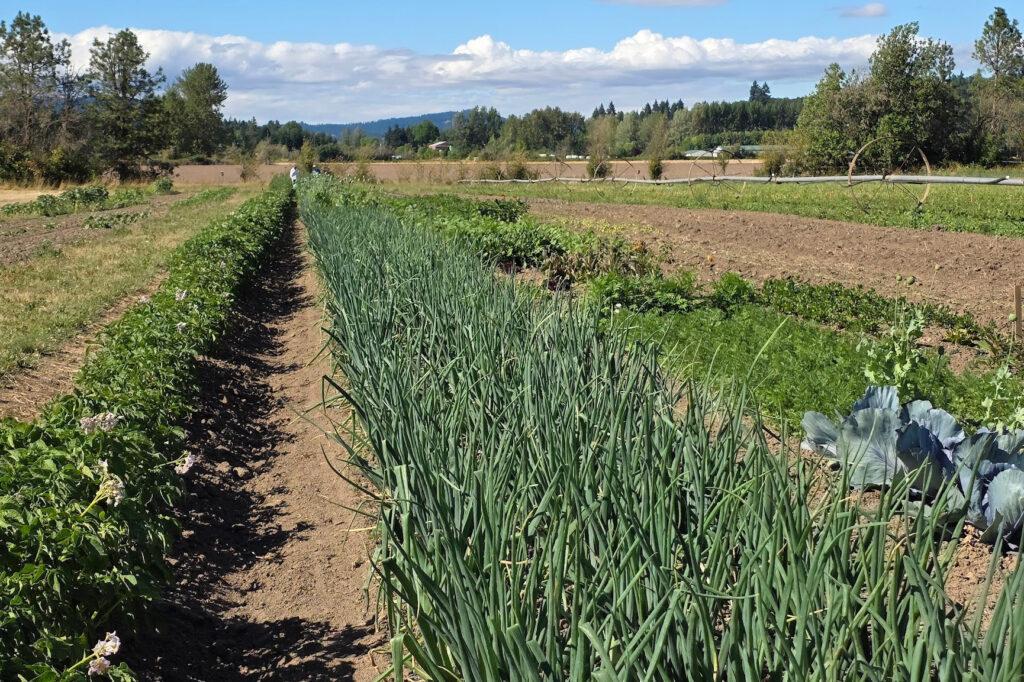
We are long overdue for a return to growing our own food, and the farming club offers a promising way to reconnect with that tradition.
Honeybee Democracy
How honeybees make collective decisions—and what we can learn from this amazing democratic process

That Winter the Wolf Came — Oakland Public Library
That Winter the Wolf Came — Spahr, Juliana — <p>That Winter the Wolf Came is written for this era of global struggle. It finds its ferment at the intersection of ecological and economic catastrophe. Its feminist and celebratory energy is fueled by street protests and their shattered windows. Amid oil spills and austerity measures and shore birds and a child holding its mother’s hand and hissing teargas canisters, it reminds us exactly what we must fight to defend with a wild ferocity, and what we’re up against.</p><br /><p>"In her poems, love does not resist the world beyond; love lets it in. Politics demands feeling rather than denuding it." —<i>Los Angeles Review of Books</i></p><p>"Geography, economics, ecology, hydrology, local and international history; repetition, flat limited diction, lengthy chant; intersections of incompatible discourses, such as a field biologist’s checklist plus memoir, medical record plus ode, incantation plus site report: Spahr draws on these resources and procedures to make poems that feel like bizarre, careful essays, and essays that feel like sad, extended poems." —<i>The Nation</i></p><p>"...a work of crisp wit, bizarre conjunctions and ultimately enduring moral authority." —<i>Publisher’s Weekly</i></p><br /><br />Excerpt:<br /><br /> It was Non-Revolution. Or it was me. Or it was Non-Revolution and me. I was unsure what it really was. Maybe it was my thoughts. My thoughts at one minute about Non-Revolution. About the smell of Non-Revolution. Sweat, urine, sage, pot, rotting food, hay, all mixed together. Perhaps about Non-Revolution’s body. I am sure I am not the only one who has thought it exceptional, but I am also just as sure that by the standards of bodies, Non-Revolution’s is fine but not exceptional. That is the point. That is why Non-Revolution is called Non-Revolution, why they have revolution as a possibility in their name but it is a modified and thus negated possibility so as to suggest they are possibly neither good nor fucked. Still something about Non-Revolution’s smell and body had gotten into me.<br /><br/>Renewed poetry of struggle at the intersection of ecological and economic catastrophe—feminist, ferocious, and finally celebratory.<br />
Crop–livestock integration beyond the farm level: a review
AbstractParadoxically, the number of crop–livestock farms is declining across Europe, despite the fact that crop-livestock farms are theoretically optimal to improve the sustainability of agriculture. To solve this issue, crop–livestock integration may be organized beyond the farm level. For instance, local groups of farmers can negotiate land-use allocation patterns and exchange materials such as manure, grain, and straw. Development of such a collective agricultural system raises questions, rarely documented in the literature, about how to integrate crops and livestock among farms, and the consequences, impacts, and conditions of integrating them. Here, we review the different forms of crop–livestock integration beyond the farm level, their potential benefits, and the features of decision support systems (DSS) needed for the integration process. We identify three forms of crop–livestock integration beyond the farm level: local coexistence, complementarity, and synergy, each with increasingly stronger temporal, spatial, and organizational coordination among farms. We claim that the forms of integration implemented define the nature, area, and spatial configuration of crops, grasslands, and animals in farms and landscapes. In turn, these configurations influence the provision of ecosystem services. For instance, we show that the synergy form of integration promotes soil fertility, erosion control, and field-level biological regulation services through organizational coordination among farmers and spatiotemporal integration between crops, grasslands, and animals. We found that social benefits of the synergy form of integration include collective empowerment of farmers. We claim that design of the complementarity and synergy forms of crop–livestock integration can best be supported by collective participatory workshops involving farmers, agricultural consultants, and researchers. In these workshops, spatialized simulation modeling of crop–livestock integration among farms is the basis for achieving the upscaling process involved in integrating beyond the farm level. Facilitators of these workshops have to pay attention to the consequences on governance and equity issues within farmers groups.
Homegrown | Magnolia Network
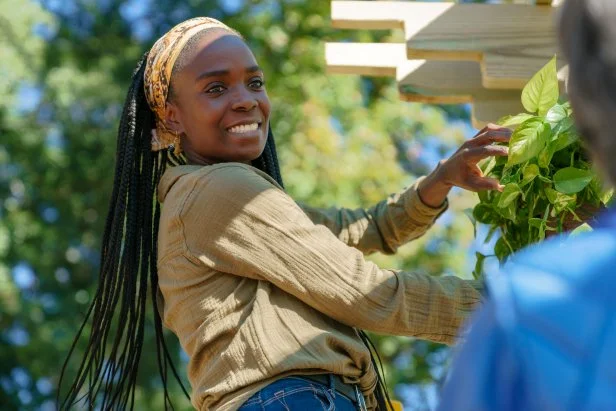
Tour 'Homegrown' Star Jamila Norman's Urban Atlanta Farm
Patchwork City Farms on 1.2 acres in Atlanta is the setting for the Magnolia Network series Homegrown and part of "Farmer J" Jamila Norman's growing empire.
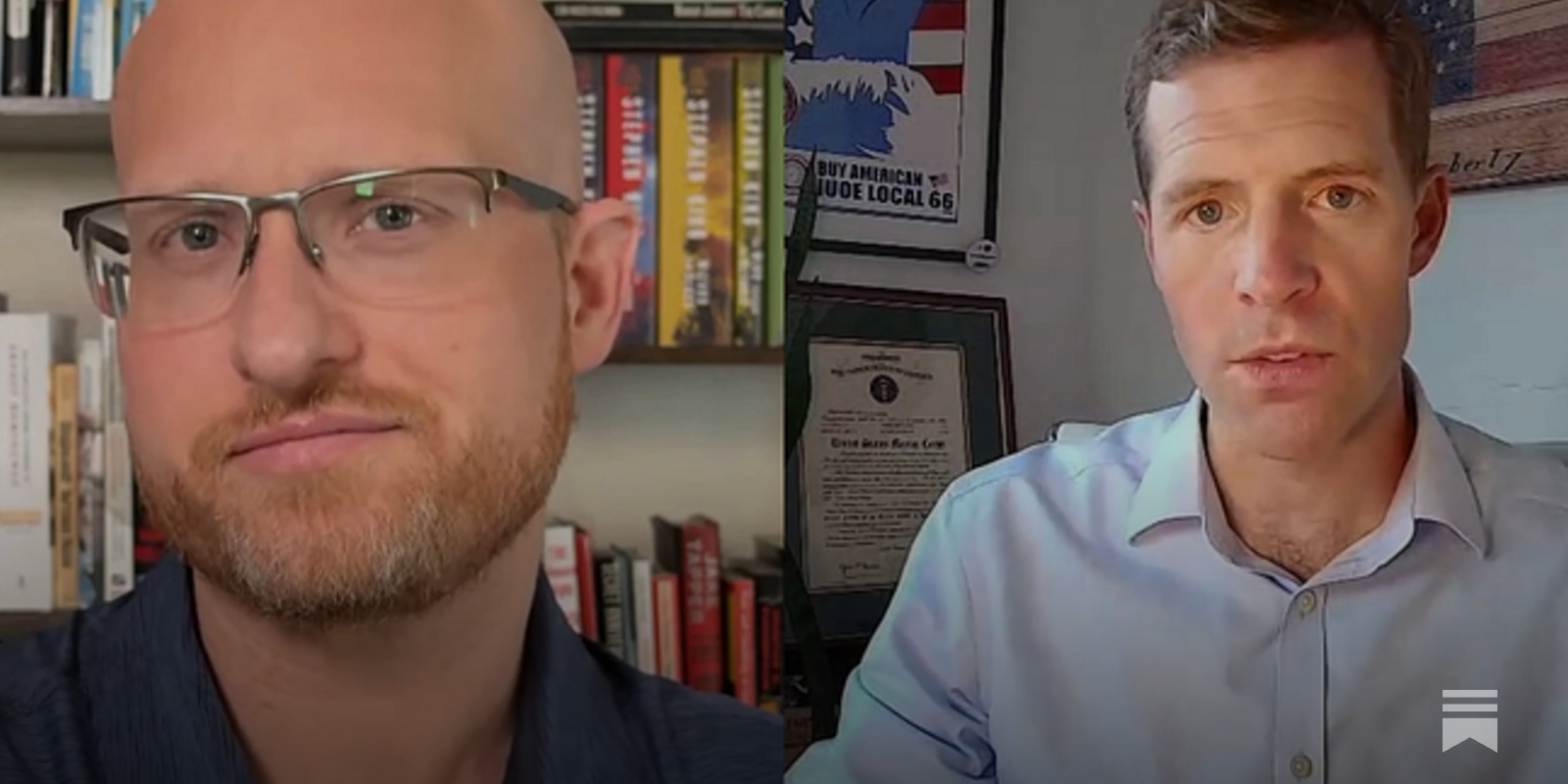
Former Pennsylvania Congressman Conor Lamb Joins Raw America
Lamb talks about John Fetterman’s dereliction of duty, and why Pennsylvania could be key to Democrats winning back control of Congress in November
Art is my sport. I’ve been competing since 1984. 444 pages of my Paper Stage art club journal have made it to home team supporters. Today’s swing at the bat is @sweetbee.vip as a warrior because I want to contribute to her brainstorming team and just get out there, give 110% Bee’s be the big leagues
Hear me out: this is even wilder than it looks. Out in the ag world, Taylor Farms was THE instigator for a lot of the big food safety moves for lettuce over the last 20 years. That's a legacy that just should NOT have ended up like this.

public health guy
it does actually sound like taylor farms and the white house teamed up to try and blame taco bell for the outbreak. unprecedented corruption
Hear me out: this is even wilder than it looks. Out in the ag world, Taylor Farms was THE instigator for a lot of the big food safety moves for lettuce over the last 20 years. That's a legacy that just should NOT have ended up like this.
public health guy
it does actually sound like taylor farms and the white house teamed up to try and blame taco bell for the outbreak. unprecedented corruption


