


This essay is not real.
Ultra-Processed Minds: The End of Deep Reading and What It Costs Us
A reflection on the reading life. What formed it, what threatens it, and what remains.

The role of literature as the key to personal freedom | Aeon Essays
Stripped of easy moralising, literature makes us relish the search for truth in an age when many believe truth to be dead
Metamodern Individualism Anonymous
Diunital Cognition, Emotional Intelligence and Archaeological Therapy

Cory Doctorow: Stories Are a Fuggly Hack - Locus
I've mentioned before, stories are weird. I mean, really, really weird. Nothing that happens in a piece of fiction has any consequence in the real world. Romeo and Juliet did not live, did not die, and the ''tragedy'' they represent is objectively less important than the tragedy of the live yogurt culture I digested at the breakfast table this morning. My theory is that the parts of our brains that …Read More
The revolt of the reader | The Observation Deck
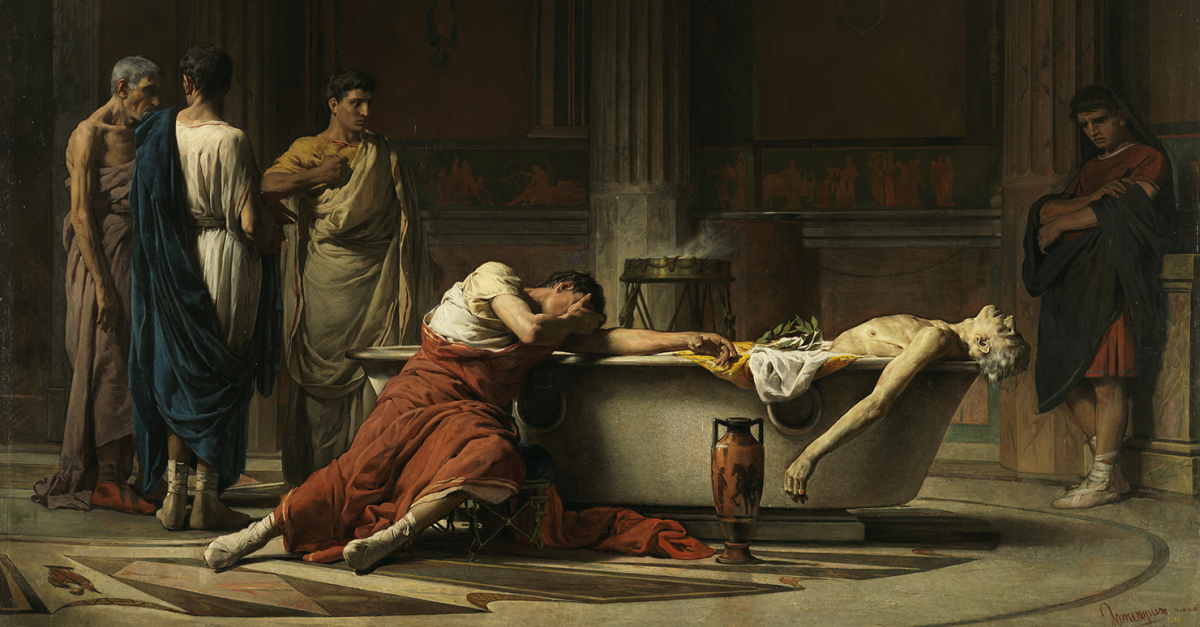
Reading is important to me. While I’m not a quick reader nor an especially voracious one, I have found that long-form reading has had a profound influence on me over my life. And because reading is important to me, writing is too: writing not only allows us to convey our ideas, but the very act forces us to test and distill them — at once making our ideas more robust while providing the vehicle by which to share them.
A heartbreaking work of staggering genius
A book that redefines both family and narrative for the…

This life gives you nothing
Your attention is all you have. Wasting it is annihilating. Blackbird Spyplane saves literacy in a monumental Year-End Essay.
How are we writing the future of humanity?
Consciousness spinning
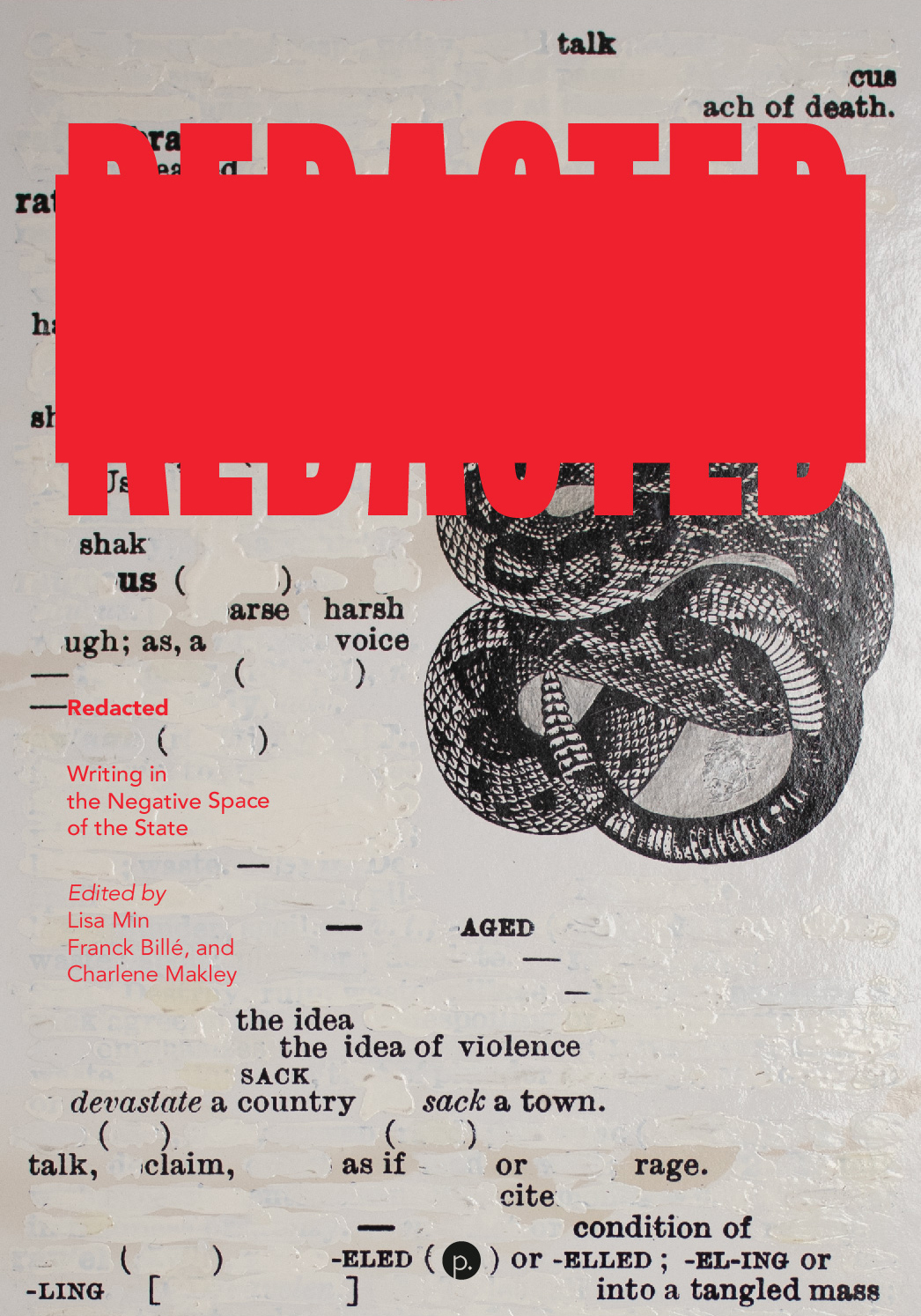
Redacted: Writing in the Negative Space of the State
Earth, Milky Way: punctum books, 2024. 290 pages. ISBN-13: 978-1-68571-190-0. DOI: 10.53288/0466.1.00. OPEN-ACCESS e-book and $39.00 in print: paperbound/7 X 10 in.
The End of Reading Is Here
Optimists once believed that universal literacy was inevitable. Now it seems that the age of reading might be a short anomaly in human history.
'Zionism Led to Genocide. It Must Disappear': Omer Bartov's New Book …
archived 25 Apr 2026 07:22:14 UTC

Upside Down: A Primer for the Looking-Glass World
In a series of mock lesson plans and a "program of study" Galeano provides an eloquent, passionate, funny and shocking exposé of First World privileges and assumptions. From a master class in "The Impunity of Power" to a seminar on "The Sacred Car"—with tips along the way on "How to Resist Useless Vices" and a declaration of the "The Right to Rave"—he surveys a world unevenly divided between abundance and deprivation, carnival and torture, power and helplessness. We have accepted a "reality" we should reject, he writes, one where poverty kills, people are hungry, machines are more precious than humans, and children work from dark to dark. In the North, we are fed on a diet of artificial need and all made the same by things we own; the South is the galley slave enabling our greed.
The Origins Of <br>‘Planetary Realism’ And <br>‘Whole Earth’ Thinking | NOEMA
There is no escaping an interconnected world.
Extinctiopolitics: Existential Risk Studies, the Extinctiopolitical Unconscious, and the Billionaires’ Exodus from Earth
One of the most prominent intellectual attempts to grapple with human extinction in recent decades is existential risk studies.
Dead Internet Theory Came True