


Join The Offline Club's global movement towards a more humane world. We host offline events and retreats for you to unplug and connect, community-style.
Offline First
We live in a disconnected & battery powered world, but our technology and best practices are a leftover from the always connected & steadily powered past.
Offline First
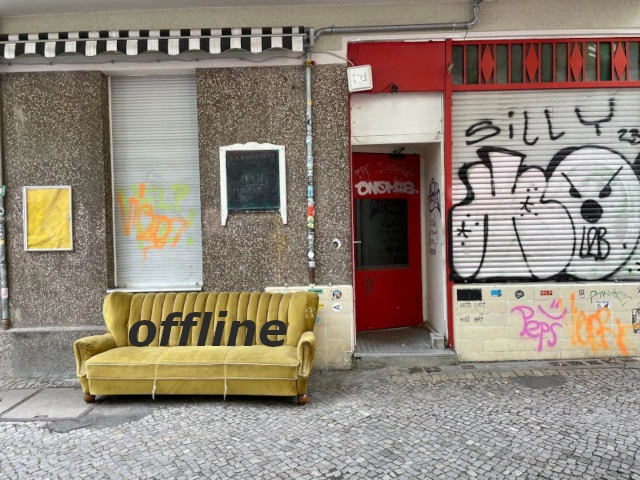

Conflict-Free Replicated Data Types (CRDTs)
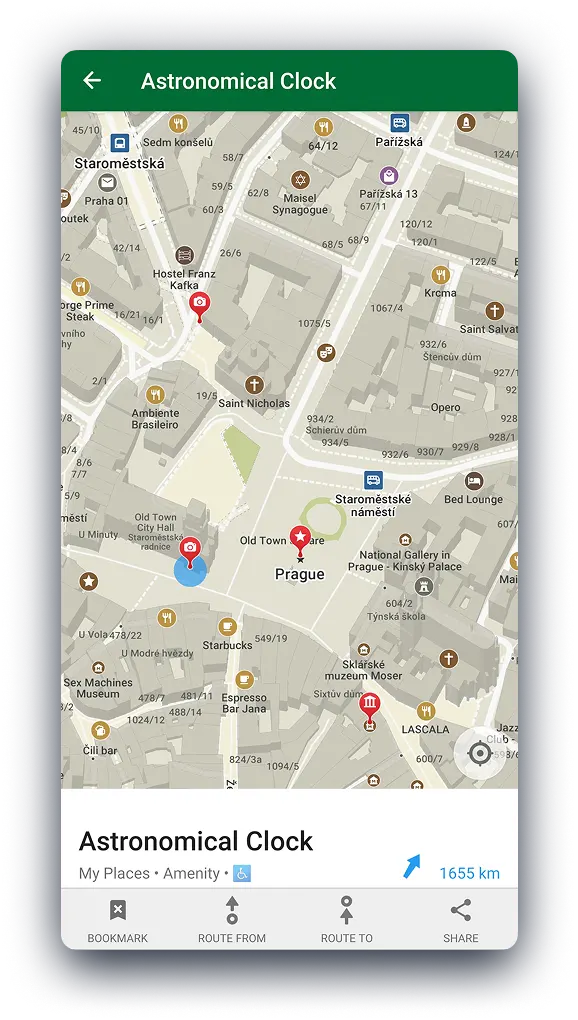
Hike, Bike, Drive Offline – Navigate with Privacy
Discover more of your journey - Powered by the community
Your Online Clubhouse
I’ve gotten in the habit of explaining Discourse to people as a clubhouse. A place on the Internet that belongs exclusively to you and your friends – whether you have 10 friends or a few hundred thousand.

Service Workers and PWAs: It's About Reliable Performance, Not "Offline" - Infrequently Noted
Alex Russell on browsers, standards, and the process of progress.

Briar Offline Mesh: When Internet Shutdowns Cut 85M Off | byteiota
On January 8, 2026, Iran shut down the internet. 85 million people cut off, mid-protest. WhatsApp, Signal, Telegram—useless. But activists are still organizing. The tool keeping them connected is Briar, an open-source messenger that syncs via Bluetooth and Wi-Fi mesh networks, no internet required. It hit 252 points on Hacker News this week, and it’s easy to see why. When governments flip the kill switch, Briar is one of the few tools that actually works.

byline.pub is now live in beta
A home for indie authors on the AT Protocol. Publish your work and become easier to discover across the open social web.
What if you could leave a social platform without leaving your community? @brittanyellich.com explains how the AT Protocol lets you own your identity, your data, and your social graph, opening the door to a more open, portable, and developer-friendly web. 🌐 youtu.be/_ZrChpf8FZ8
This paper claims to provide evidence offline networks matter more than online for voting preferences, but winds up mistaking noise for signal and seems to forget that some folks online are quite influential. academic.oup.com/pnasnexus/article/4/10/pgaf30…

Physical partisan proximity outweighs online ties in predicting US voting outcomes
academic.oup.com

