

: For whom the bill tolls
How Infrastructure Works: Transforming our shared systems for a changing world
'Pulsing with wisdom and humanity... a masterpiece' ED YONG'A hopeful, lyrical - even beautiful - hymn to the systems of mutual aid we embed in our material world' CORY DOCTOROW'An extraordinary book' MARK MIODOWNIK'You won't see the world the same after reading this book!' AUSTIN KLEONEvery day, we are granted the power to travel at high speeds, fly, see in the dark, summon water from distant mountains and electricity from the sun. The systems that run our world are invisible to us until they fail.Infrastructure enables lives of astounding ease and freedom that would have been unimaginable just a century ago. These technological systems - the most complex and vast ever created by humans - have allowed us to work collectively for the public good. But these systems are now beginning to fail us.Engineering professor Deb Chachra takes readers on a fascinating tour of these essential utilities, revealing how they work, what it takes to keep them running, and just how much they shape our lives - but also the price they extract, who pays it and in what ways, as well as the threats to our infrastructure in a changing world.From Snowdonia's Electric Mountain to a solar plant in southern India, Chachra shows how we can rebuild our shared infrastructure to be not just functional but also equitable, resilient, and sustainable. We need to learn how to see these systems and to transform them, together, because the cost of not being able to rely on them is unthinkably high.
The Human Condition: Second Edition
A classic work of political thought, more relevant today than ever The twenty-first century has seen a resurgence of interest in the political thinker Hannah Arendt, “the theorist of beginnings,” whose work probes the logics underlying unexpected transformations—from totalitarianism to revolution. A work of striking originality, The Human Condition is in many respects more relevant now than when it first appeared in 1958. In her study of the state of modern humanity, Hannah Arendt considers humankind from the perspective of the actions of which it is capable. The problems Arendt identified then—diminishing human agency and political freedom, the paradox that as human powers increase through technological and humanistic inquiry, we are less equipped to control the consequences of our actions—continue to confront us today. This new edition, published to coincide with the sixtieth anniversary of its original publication, contains Margaret Canovan’s 1998 introduction and a new foreword by Danielle Allen. A classic in political and social theory, The Human Condition is a work that has proved both timeless and perpetually timely.

Checks and Balances to Empower Citizens in an Automated Society — Request for Proposals
A joint Request for Proposals from the Effective Institutions Project and the Collective Intelligence Project on AI, civil liberties, and the distribution of power.
Human perspectives on AI · Global Voices
This GV Spotlight edition will explore how the use of, promotion of, and resistance to artificial intelligence is playing out for the Global Majority.

Crossing the River by Feeling the Stones - Simon Wardley
What the Anthropic fight says about AI regulation
Fables of the deconstruction of American power
Reinventing identity for a post-human world
Identity as a Sovereign Asset: The ARPA Live ID and the Next Economic Paradigm

TollBit - Monetize your content
The platform for AI content licensing at scale. TollBit helps you monitor AI traffic, manage licensing deals & monetize your content in the AI era.
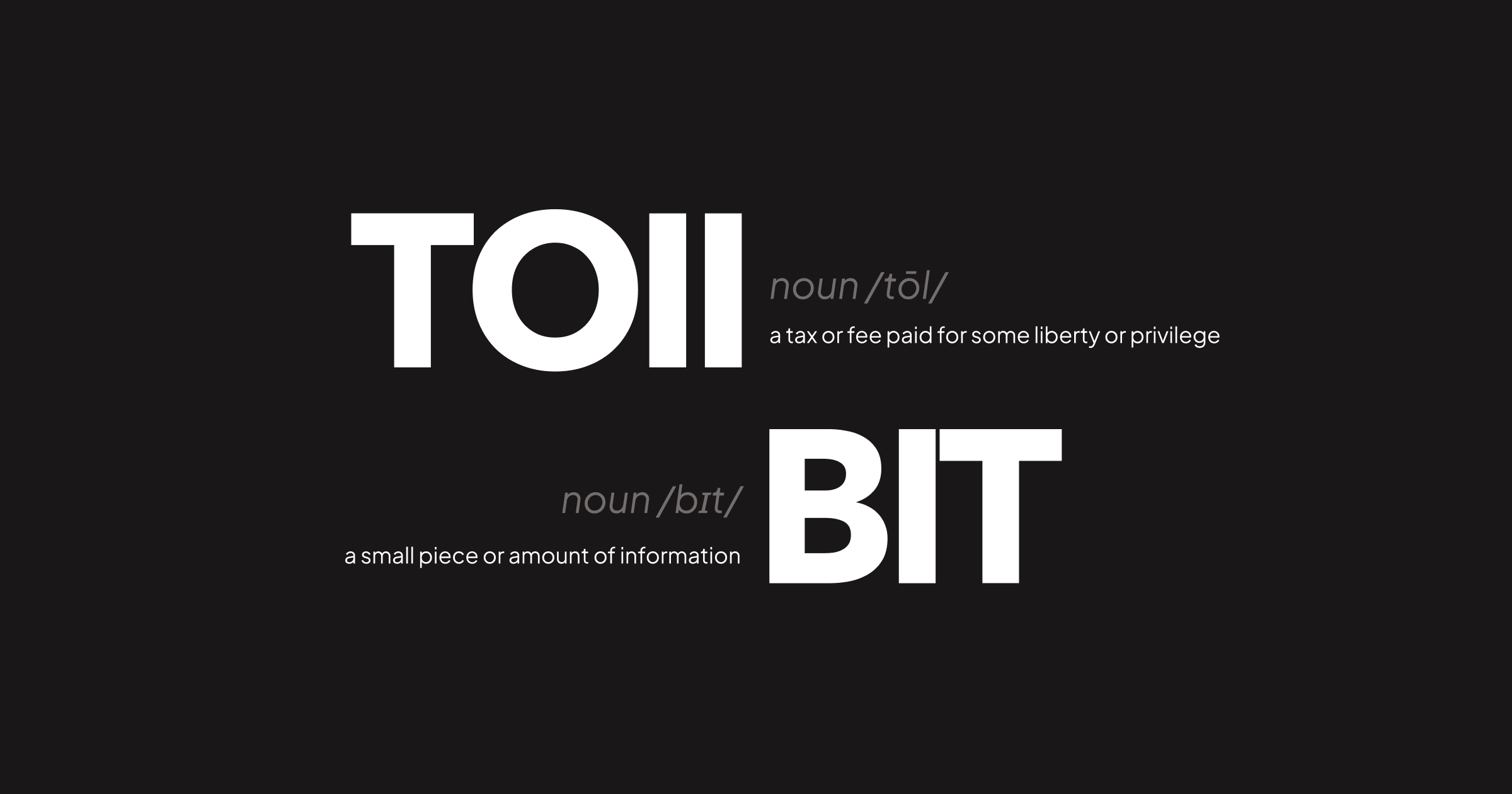
TollBit - Your complete web stack for the agentic internet
Create an agent optimized version of your website for autonomous visitors. Control access, analyze AI bot traffic, and monetize your site as the agent economy grows.

Machines of Caring Grace
The goal should be to support humans, not to replace them.

The Machine Already Won. Can Humans band together before it's too late?
The Machine Already Won. Can Humans band together before it's too late?
Fighting Bad Internet Bills (US-centric for now)

News, analysis, discussion, and actions about KOSA, the KIDS Act, age verification bills, and other bills that would surveil and censor the internet.
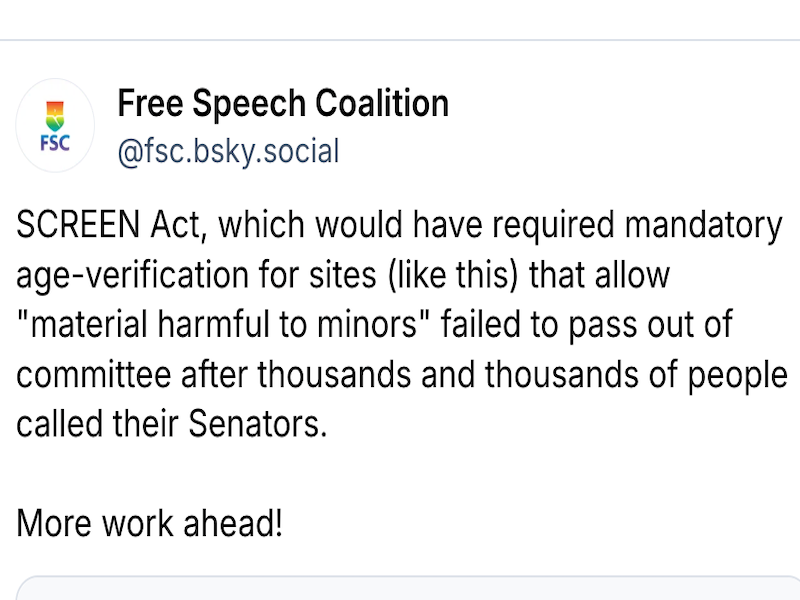
Activism makes a difference: the SCREEN Act unexpectedly fails in committee! But KOSA advances, so keep up the pressure
Congress Wants To Hand Your Parenting to Big Tech
Should Have Known Is the Wrong Standard for Kids’ Safety Laws
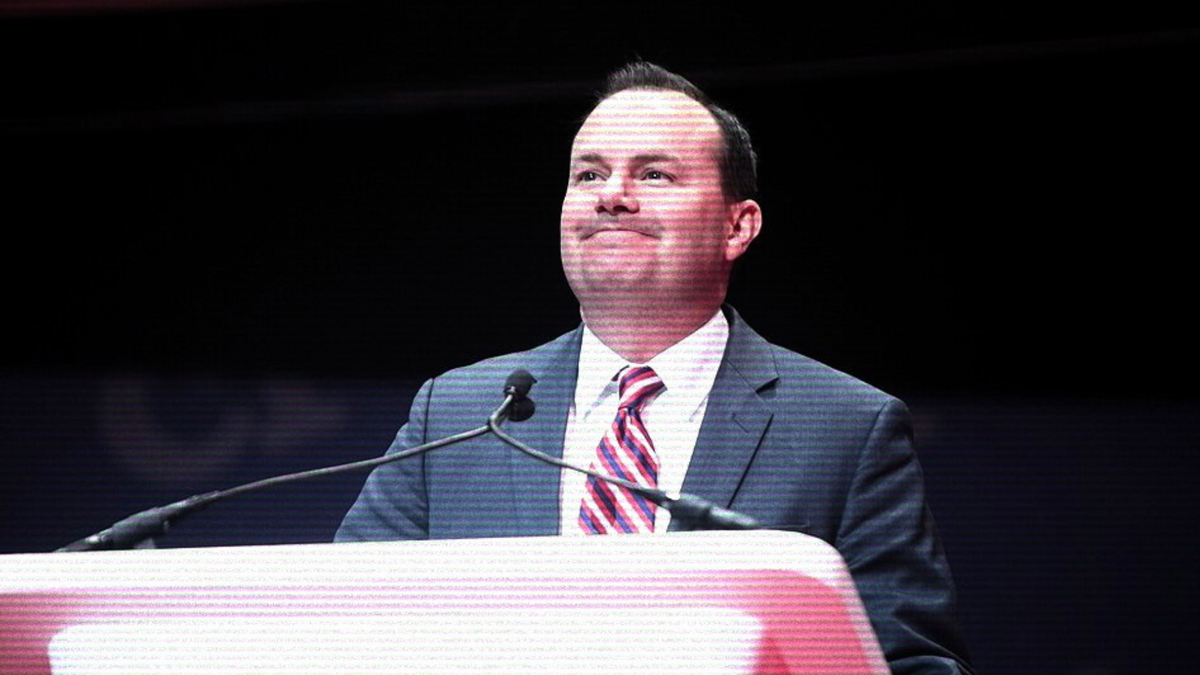
The SCREEN Act is a Christian Nationalist Nightmare
The Senate Should Reject KOSA's Privacy Risks

"The S is for surveillance": fighting KOSA and bad internet bills in the ATmosphere and the fediverses