


The genre-stretching game broke new narrative, technical, and gameplay ground and established the identity of one of the past two decades’ most storied video game studios
The Rise and Fall of the Lone Game Developer – Holy Ghost Stories
In the early 80s, all it took to make a game was a computer, some graph paper, and a lot of determination.
» The CRPG Renaissance, Part 5: Fallout 2 and Baldur’s Gate The Digital Antiquarian
As we learned in the earlier articles in this series, Interplay celebrated the Christmas of 1997 with two new CRPGs. One of them, the striking post-apocalyptic exercise called Fallout, was greeted with largely rave reviews. The other, of course, was the far less well-received licensed Dungeons & Dragons game called Descent to Undermountain. The company intended to repeat the pattern in 1998, with another Fallout and another Dungeons & Dragons game. This time, however, the public’s reception of the two efforts would be nearly the polar opposite of last time.
The CRPG Project
I’ve been thinking about computer RPGs a lot recently, and trying to play a bunch. There’s a quality that I’ve always loved about especially older computer RPGs: you really felt t…
The Search For The Apolitical Video Game
We need more video games that are social platforms first, games second | TechCrunch
During these long, mundane physically-distant days, stretching on into an uncertain future like an ever-lengthening beigeish corridor, it's impossible not
» How Jordan Mechner Made a Different Sort of Interactive Movie (or, The Virtues of Restraint) The Digital Antiquarian
One can learn much about the state of computer gaming in any given period by looking to the metaphors its practitioners are embracing. In the early 1980s, when interfaces were entirely textual and graphics crude or nonexistent, text adventures like those of Infocom were heralded as the vanguard of a new interactive literature destined to augment or entirely supersede non-interactive books. That idea peaked with the mid-decade bookware boom, when just about every entertainment-software publisher (and a few traditional book publishers) were rushing to sign established authors and books to interactive projects. It then proceeded to collapse just as quickly under the weight of its own self-importance when the games proved less compelling and the public less interested than anticipated.
Game Platforms | Game Developer
Explore the latest news and expert commentary on Game Platforms, brought to you by the editors of Game Developer

GameSpot's SIMply Divine: The Story of Maxis Software
GameSpot action adventure driving puzzle role-playing simulation sports strategy hardware
There’s not enough videogames; everyone should be encouraged to make them (or, videogames are just art)
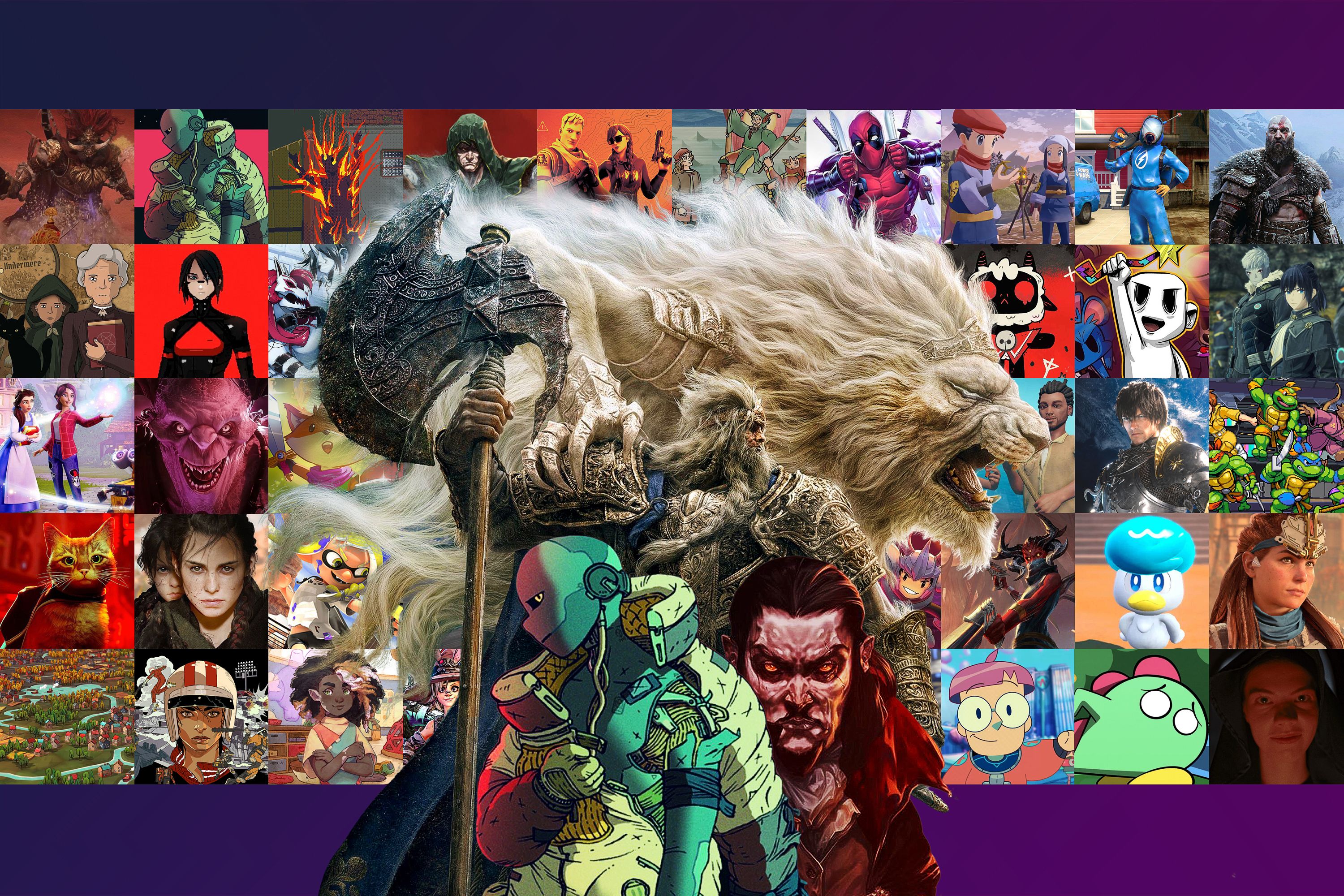
Indiepocalypse discourse is back in vogue again. Polygon published this article about how there’s too many videogames; Games Industry published this editorial about how we need to stop encour…

The NOexistenceN of you AND me
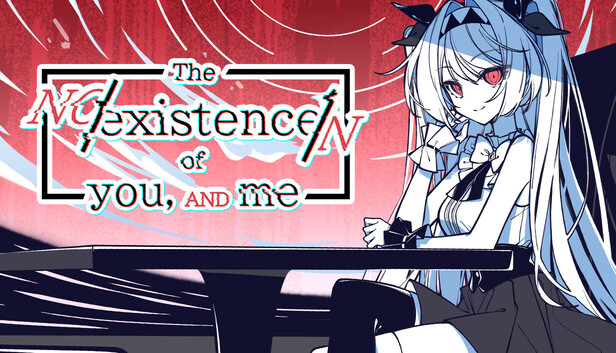
Use "game" as a medium to showcase the world of "you/girl". Explore the truth of "you/girl/world" through the form of a "visual novel".
» The Space Sim’s Last Hurrah The Digital Antiquarian
Amidst so much else, the 1990s saw the rise and fall of the narrative-driven space sim. The sub-genre was effectively invented in 1990, when Wing Commander dared to add a set-piece story line to the sturdy foundation of the more open-ended British classic Elite. It reached a peak of commercial and critical acceptance in 1994 with Wing Commander III and TIE Fighter, only to fall off the big publishers’ radar completely by shortly after the turn of the millennium. As you regular readers know, I’ve been writing the final installments to a lot of stories recently, a symptom of the period of churn and consolidation in which these histories currently find themselves. Now I’m on the verge of writing my last words on not just a company but a whole category of games as a mainstream commercial force — almost, I’m tempted to say, a whole subculture of gaming, one of the oddest of them all when you stop to think about it.
» Planescape: Torment, Part 1: From the Tabletop… The Digital Antiquarian
By 1999, Interplay had begun crediting its internally developed CRPGs to “Black Isle Studios,” a distinction that represented very little difference, given that Black Isle shared office space and personnel with its parent publisher. Note the careful choice of words on the box above, to call Black Isle the “producers” — not the developers — of Baldur’s Gate.
» The CRPG Renaissance, Part 2: Might and Magic VI The Digital Antiquarian
From the 1980s until well into the 1990s, the CRPG genre was typically dumped into the same broad bucket as the adventure game by the gaming press. Indeed, as late as the turn of the millennium, Computer Gaming World magazine had an “Adventure/RPG” department, complete with regular columnists whose beat encompassed both genres. Looking back, this lack of distinction might strike us as odd: CRPGs, which are to a greater or lesser extent simulations of an imaginary world with a considerable degree of emergent behavior, are far more procedurally intensive than traditional adventure games and provide a very different experience.
‘Borderlands’ Blunder Proves Hollywood Hasn’t Mastered Adapting Video Games to Film
After opening below $10 million domestically, “Borderlands” dealt a blow to the notion of gaming IP saving the day for Hollywood
