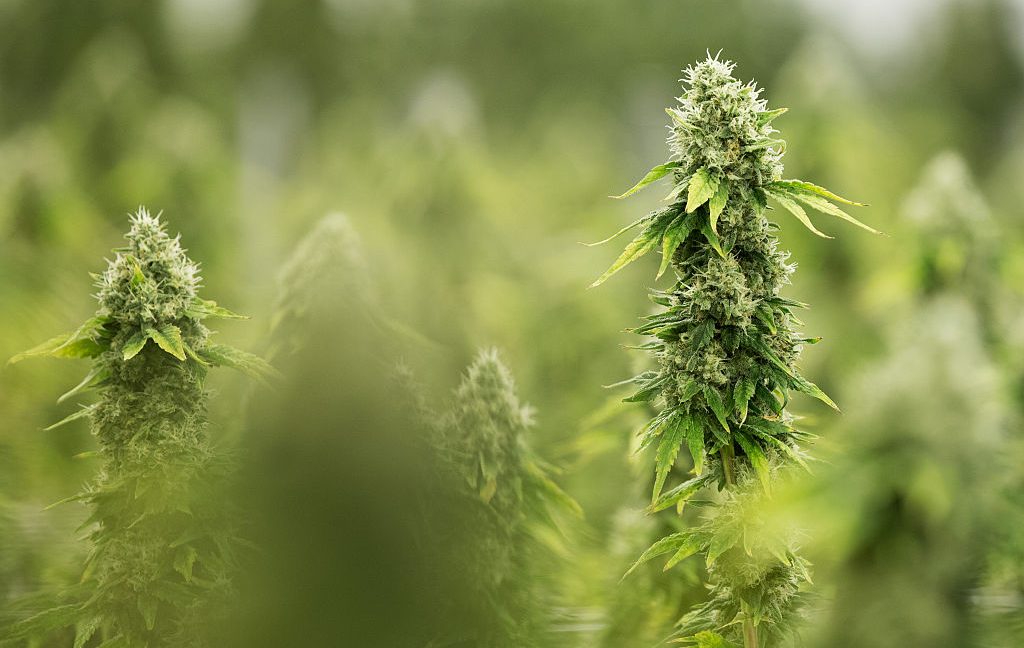
Why do we call marijuana marijuana? Growing up, I assumed that "marijuana" was the original Latin name for the plant I discuss every week in...
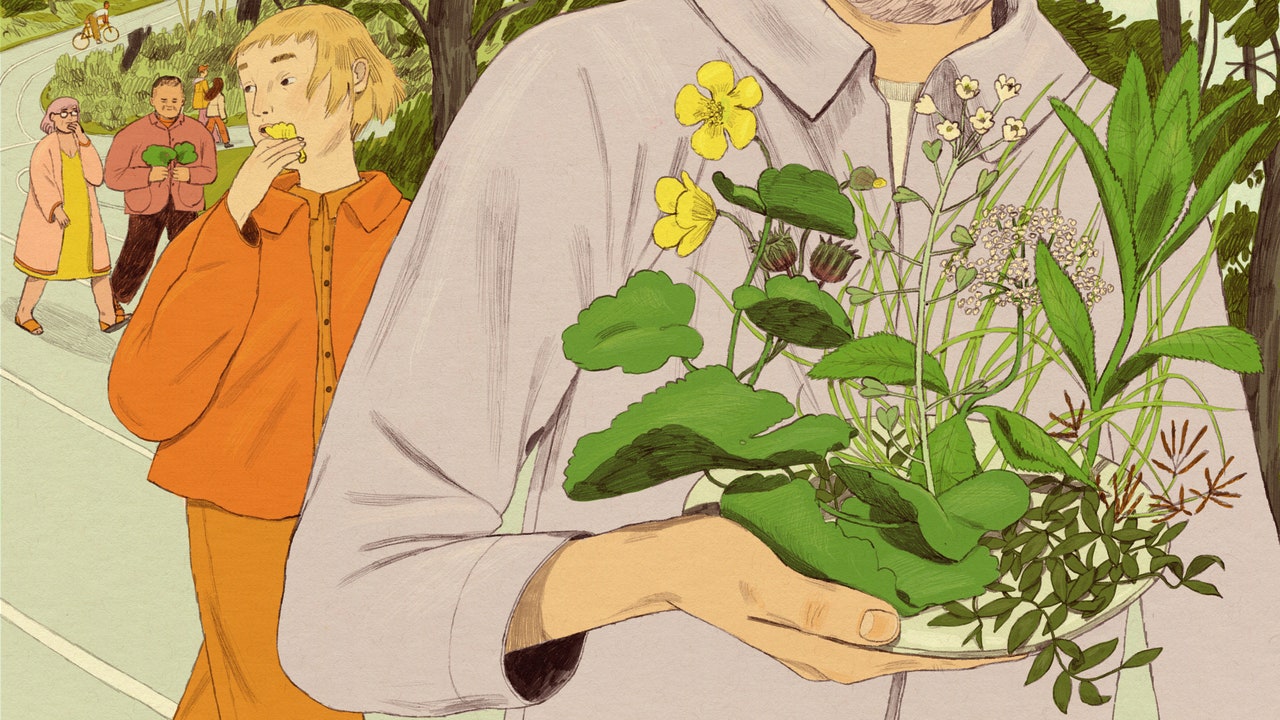
What Is a Weed?
The names we call plants say more about us than they do about the greenery that surrounds us.
Reefer Madness or Pot Paradise? The Surprising Legacy of the Place Where Legal Weed Began (Published 2019)
Colorado’s first-in-the-nation experiment with legalized marijuana has infused the drug into almost every corner of life.

Marijuana May Grow Neurons in the Brain
SASKATOON, Saskatchewan - Marijuana may promote the growth of new neurons in the hippocampus, perhaps relieving anxiety and depression, according to a Canadian team.

Long-term study reveals harm in regular cannabis use
Regular cannabis use has harmful effects regardless of the age a person starts using, a University of Queensland-led study has found.

Cannabis Evidence | Systematically Testing the Evidence on Marijuana
Cannabis use is becoming increasingly common among older adults in the United States, but less is known about how often cannabis use may become problematic in this population. A new study from University of California San Diego School of Medicine finds that among the...

The cannabis experiment
As marijuana use becomes more acceptable, researchers are scrambling to answer key questions about the drug.

Cannabinoids promote embryonic and adult hippocampus neurogenesis and produce anxiolytic- and antidepressant-like effects
The hippocampal dentate gyrus in the adult mammalian brain contains neural stem/progenitor cells (NS/PCs) capable of generating new neurons, i.e., neurogenesis. Most drugs of abuse examined to date decrease adult hippocampal neurogenesis, but the effects of cannabis (marijuana or cannabinoids) on hippocampal neurogenesis remain unknown. This study aimed at investigating the potential regulatory capacity of the potent synthetic cannabinoid HU210 on hippocampal neurogenesis and its possible correlation with behavioral change. We show that both embryonic and adult rat hippocampal NS/PCs are immunoreactive for CB1 cannabinoid receptors, indicating that cannabinoids could act on CB1 receptors to regulate neurogenesis. This hypothesis is supported by further findings that HU210 promotes proliferation, but not differentiation, of cultured embryonic hippocampal NS/PCs likely via a sequential activation of CB1 receptors, Gi/o proteins, and ERK signaling. Chronic, but not acute, HU210 treatment promoted neurogenesis in the hippocampal dentate gyrus of adult rats and exerted anxiolytic- and antidepressant-like effects. X-irradiation of the hippocampus blocked both the neurogenic and behavioral effects of chronic HU210 treatment, suggesting that chronic HU210 treatment produces anxiolytic- and antidepressant-like effects likely via promotion of hippocampal neurogenesis.

Marijuana may be even safer than previously thought, researchers say
New study: We should stop fighting marijuana legalization and focus on alcohol and tobacco instead

Taming THC: potential cannabis synergy and phytocannabinoid-terpenoid entourage effects
Tetrahydrocannabinol (THC) has been the primary focus of cannabis research since 1964, when Raphael Mechoulam isolated and synthesized it. More recently, the synergistic contributions of cannabidiol to cannabis pharmacology and analgesia have been scientifically demonstrated. Other phytocannabinoids, including tetrahydrocannabivarin, cannabigerol and cannabichromene, exert additional effects of therapeutic interest. Innovative conventional plant breeding has yielded cannabis chemotypes expressing high titres of each component for future study. This review will explore another echelon of phytotherapeutic agents, the cannabis terpenoids: limonene, myrcene, α-pinene, linalool, β-caryophyllene, caryophyllene oxide, nerolidol and phytol. Terpenoids share a precursor with phytocannabinoids, and are all flavour and fragrance components common to human diets that have been designated Generally Recognized as Safe by the US Food and Drug Administration and other regulatory agencies. Terpenoids are quite potent, and affect animal and even human behaviour when inhaled from ambient air at serum levels in the single digits ng·mL−1. They display unique therapeutic effects that may contribute meaningfully to the entourage effects of cannabis-based medicinal extracts. Particular focus will be placed on phytocannabinoid-terpenoid interactions that could produce synergy with respect to treatment of pain, inflammation, depression, anxiety, addiction, epilepsy, cancer, fungal and bacterial infections (including methicillin-resistant Staphylococcus aureus). Scientific evidence is presented for non-cannabinoid plant components as putative antidotes to intoxicating effects of THC that could increase its therapeutic index. Methods for investigating entourage effects in future experiments will be proposed. Phytocannabinoid-terpenoid synergy, if proven, increases the likelihood that an extensive pipeline of new therapeutic products is possible from this venerable plant.
Study: Smoking pot doesn’t make you anxious or depressed
And it's definitely not as bad for your brain as the DEA says.

Pain in the ananas: etymology maps
Who would have thought that the marriage of two tiny little words - pine from the Latin 'pīnus' meaning "sap, juice" and apple from 'apple' meaning "apple" would have split the UK from the rest of the world way back when it was first recorded in 1398? And what about the word orange? Or beer? Or bear? Or church? Do our language lands collide or do they coincide? Find out with these eight fun etymology maps complete with terrible puns.

Oldest evidence of cannabis smoking found in ancient Chinese cemetery
Charred residue in 3,000-year-old samples are the earliest sign of cannabis smoking.

Long term cannabis use can fuck up your gut in a number of ways. Links provided
311 votes, 187 comments. Links: https://pubmed.ncbi.nlm.nih.gov/32762830/ https://www.sciencedirect.com/science/article/pii/S277263202300070…
In Colo., a look at life after marijuana legalization - The Boston Globe
In November, Massachusetts voters are likely to consider a ballot question legalizing recreational marijuana.

I take illegal drugs for inspiration - Dr Susan Blackmore
I take illegal drugs for inspiration Daily Telegraph, Saturday May 21st 2005, pp 17-18 (Note: This version is very slightly different from the published, edited, version) © Sue Blackmore 2005 Every year, like a social drinker who wants to prove to herself that she’s not an alcoholic, I give up cannabis for a month. It …

Massive scientific report on marijuana confirms medical benefits
Effective pain treatment is a top conclusion, but risks and unanswered questions remain.