


Theta Neurotech is a Chicago-based neurotechnology company developing a wearable EEG-based seizure prediction system. Founded in 2022, preparing for clinical trials.
Motif Neurotech — Therapeutic Brain Computer Interface For Mental Health
We're building devices to help you monitor and regulate your mental health and performance.
.png)
Blueprint Neurotech
The Center for Innovative NeuroTech Advancement (CINTA) & NeuroTech Harbor (NTH) announce the Cycle 6 Award Competition supported by the NIH Blueprint MedTech Program. This program is seeking collaborative projects aimed at developing emerging technologies into commercially viable, clinically focused solutions for disorders of the nervous system that are aligned with the mission and interests of the participating NIH institutes and centers.
NYC Neurotech Company List

Yneuro | The startup behind Neuro ID®
Imagine a world where technology and human experience blend seamlessly. At Yneuro, we’re building that world. As pioneers in neurotechnology, we craft AI-driven software solutions that transcend global barriers. Celebrated in startup ecosystems and competitions, Yneuro is redefining digital interaction, making advanced technologies intuitive and accessible for everyone. Join us as we merge technology and human cognition, creating unprecedented possibilities.

Massively Scalable Neurotechnologies
Backed by £50m, this programme sits within the Scalable Neural Interfaces opportunity space and is seeking radically new ways to deliver responsive neurotechnologies to the brain without brain surgery.
UK Patent Filed for Hair-Inclusive EEG Electrode by Synaptive | Synaptive posted on the topic | LinkedIn
Big news from us 🎉 We've just filed a United Kingdom patent application on our hair-inclusive EEG electrode, the first step in taking this from prototype to something that actually reaches the labs and people who need it. For too long, EEG hardware has quietly excluded people based on hair type. Thick, coily, tightly curled, if your hair didn't fit the mould, your signal quality suffered, or you were excluded from studies altogether. That's not a small technical footnote. That's data that shapes diagnoses, treatments, and our understanding of the brain itself, built on a foundation that didn't include everyone. We built Synaptive to fix that at the hardware level, so good signal doesn't depend on who you are or what your hair looks like. Filing the patent is a huge milestone for us, and we're only getting started. If you're a researcher, lab, or manufacturer interested in electrodes that actually work for everyone, reach out on our website (synaptiveltd.co.uk). Thank you to everyone who's backed us on this journey so far ❤️ Synaptive : ) Rishan P. Peter Bryan Michael-Merlin (Merlin) Krý
Synaptrix Labs | AI powered Brain-computer interface Solutions
Introducing Neuralis by Synaptrix Labs, the first device that allows paralyzed patients to move their wheelchairs through brain activity alone, powered by our novel AI based EEG signal processing model that makes it possible.

NeuroNYC
As the global leader in finance, policy, art, research, and medicine, the region is well-positioned to lead neurotech. We help foster and promote the local neurotech ecosystem: clinics, companies, funders, labs, and users.


Inventing the future: A neuroscience research roadmap
The past decade of transformative advances in neurotechnology portends an exciting future for neuroscience. This NeuroView charts a strategic path to accelerate and integrate research discovery and speed the development of new cures for human brain disorders.

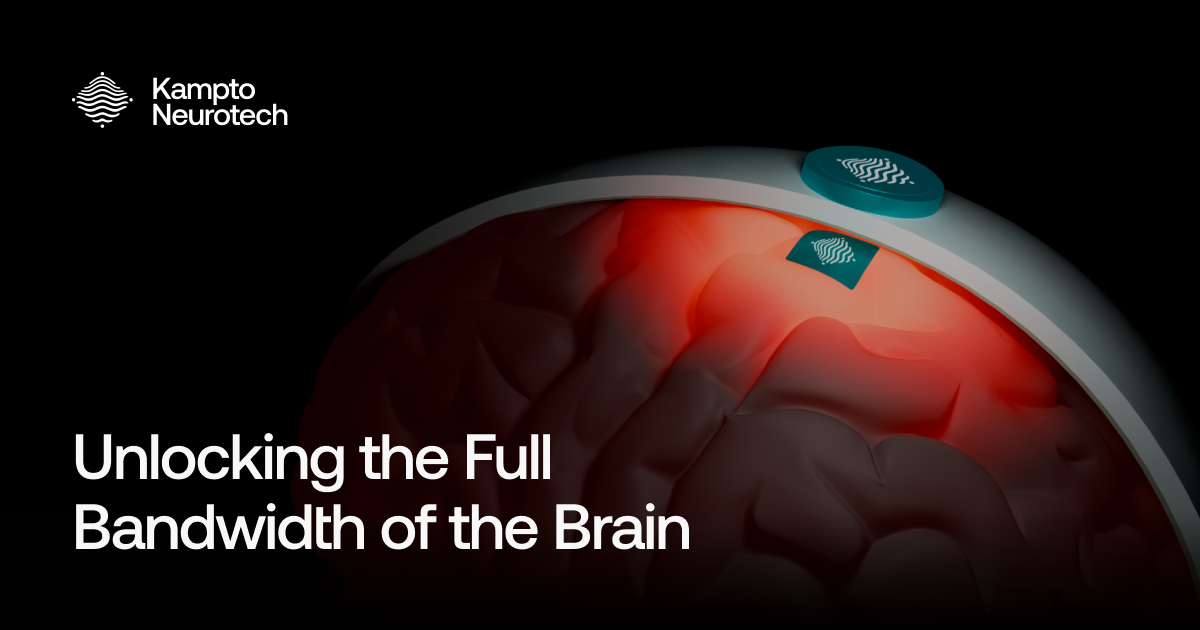
Kampto Neurotech
Revolutionary neural interface with 65,536 electrodes. 100× the data, 1/1000th the size. Ultra-thin CMOS technology for brain research and clinical applications.
Neural Computer: A New Machine Form Is Emerging
A research essay on Neural Computer: how it differs from agents, world models, and conventional computers; what runtime and CNC would mean; what current prototypes already show; and how software and hardware might change.
UC San Diego Awarded $4.85M to Grow NEMAR into HPC Hub for Neuro-AI
NIH funding will expand NEMAR's AI capabilities, integrate petabyte-scale neuroelectromagnetic datasets with SDSC supercomputing, and support new foundation models for brain research and broader community access.
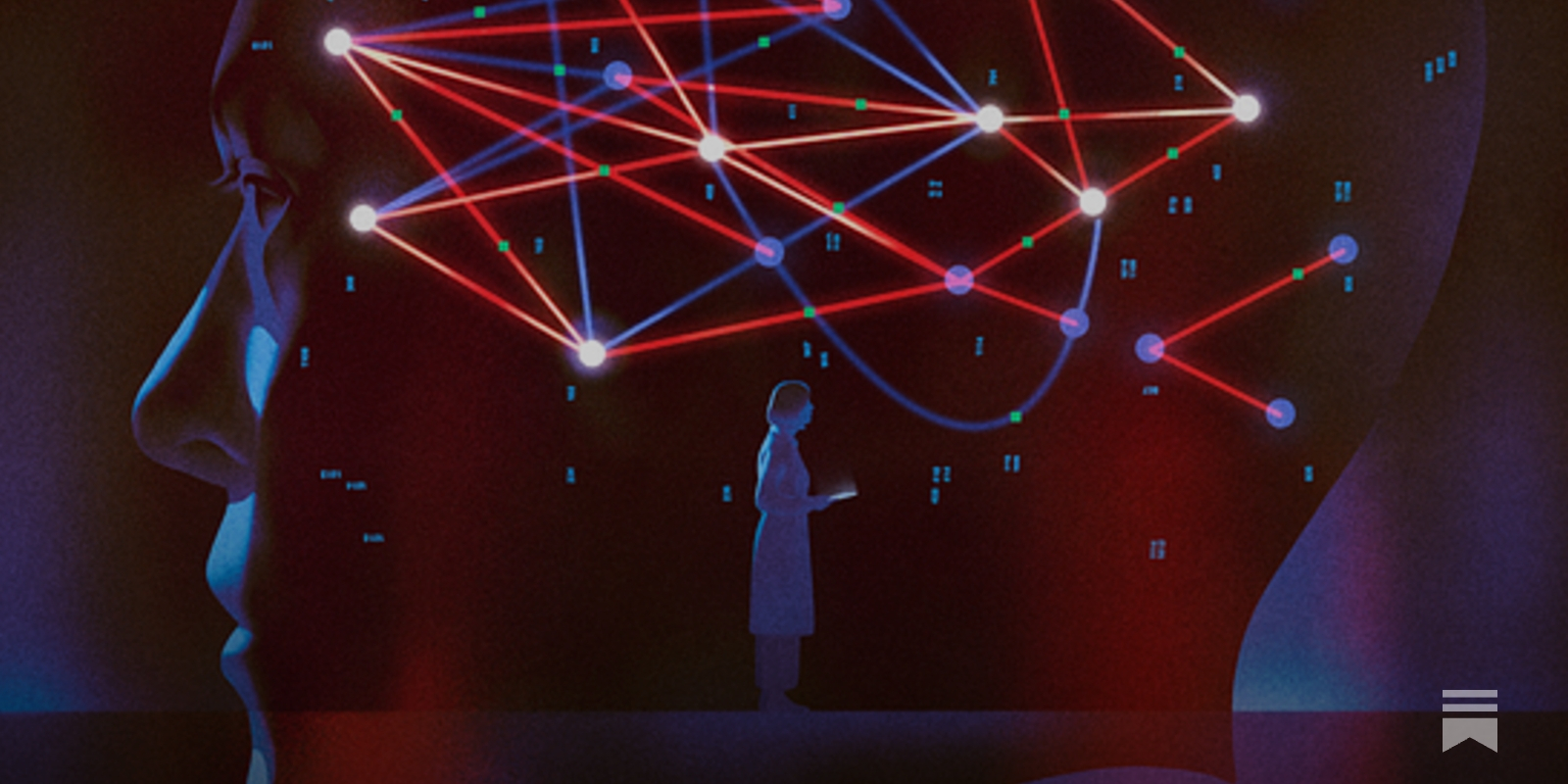
Computational Psychiatry Needs Systems Neuroscience
This piece was originally published in The Transmitter. I am adapting it here with some additional context for readers of this newsletter.
Doris Tsao
Doris Tsao is the Chief Scientist for Neuro at Astera. Previously, she was a professor at UC Berkeley in the Neuroscience Department.

Neurotech + NeuroAI

The Many Brains Project
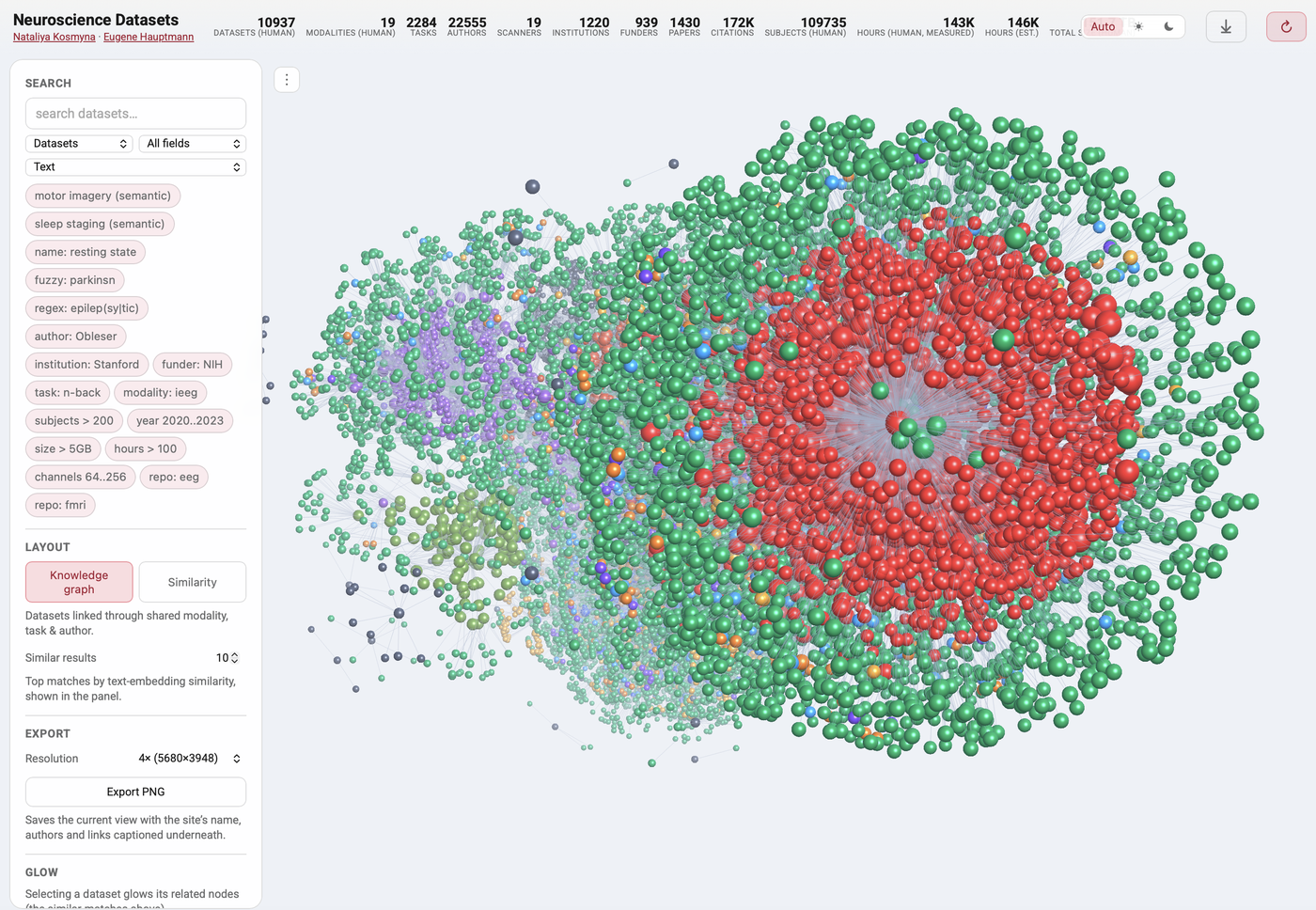
Project Overview ‹ NeuroDatasets Tool – MIT Media Lab

E11 Bio | Moonshot Neuroscience
Conduit

Dandelion Science — from digital brains to therapies

Fluent BCI | Intelligence over Invasiveness