Several shootings driven by Islamophobia were obscured in the aftermath of that day. In a new analysis by The Trace, we revisit what happened.
Opinion | 9/11 took Islamophobia mainstream in America – and things have only gotten worse
Although I have always had kind and mostly tolerant neighbors, the effects of widespread Islamophobia have touched my life intimately.

Today We Must Finally Remember What The 9/11 Commemorations Ignore
Righteous victimhood fueled the War on Terror. 25 years later, we also have to remember all of those slain under its banner

NYPD Muslim spying led to no leads, terror cases | The Associated Press
NEW YORK (AP) — In more than six years of spying on Muslim neighborhoods, eavesdropping on conversations and cataloguing mosques, the New York
Facing Islamophobia, Mamdani Keeps Focus on 9/11 Victims
In recent weeks, Mayor Zohran Mamdani has visited firehouses around New York City as part of an effort to direct the public’s attention toward the victims, and away from himself.

Facing Islamophobia, Mamdani Keeps Focus on 9/11 Victims
In recent weeks, Mayor Zohran Mamdani has visited firehouses around New York City as part of an effort to direct the public’s attention toward the victims, and away from himself.
Mistakes, mistrust and misdirection: 25 years after 9/11, its dark legacy continues to unfold
The world’s most powerful country responded to the worst terrorist attack in its history by inflicting terror of its own – around the world, and at home

Confronting New York City's Lies About Toxic Air After 9/11
Plus, a selection of some of the best writing on 9/11, and more news to take you into the weekend.
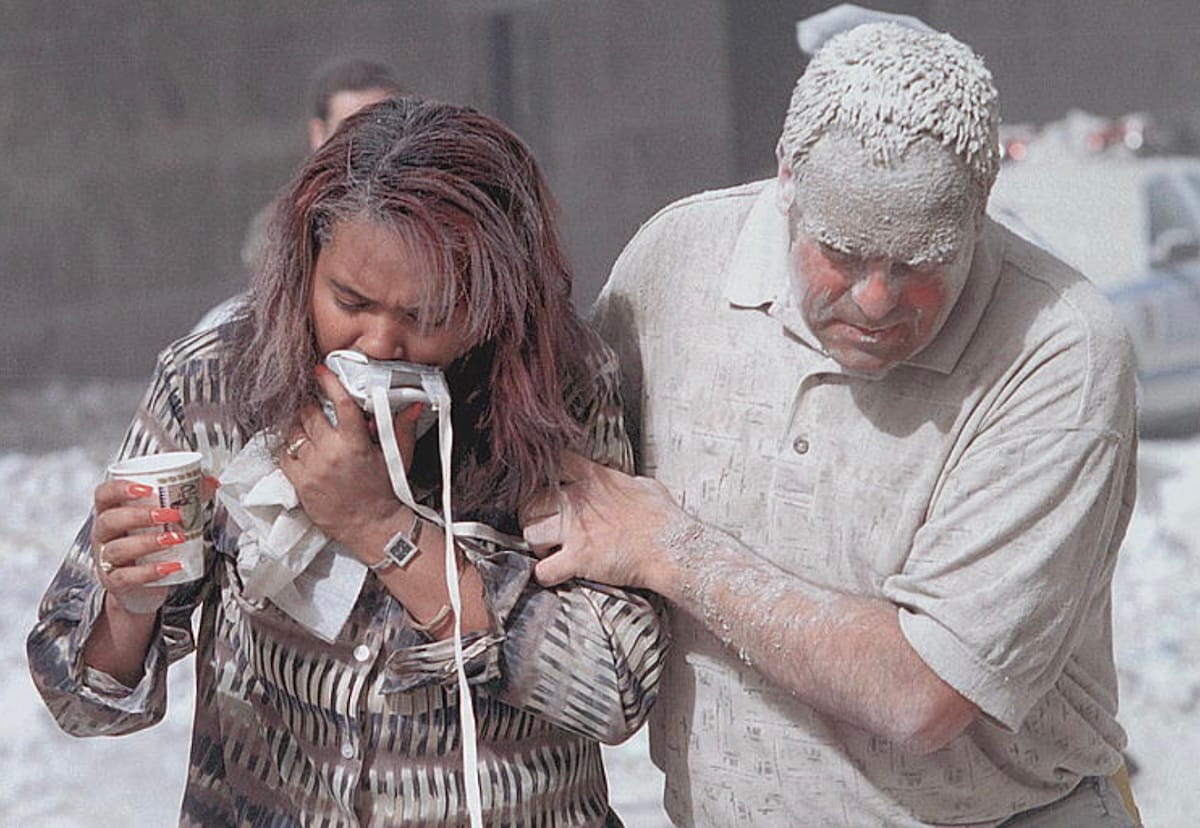
Decapitation and the End of Politics
How Targeted Killings Are Reshaping Modern Warfare

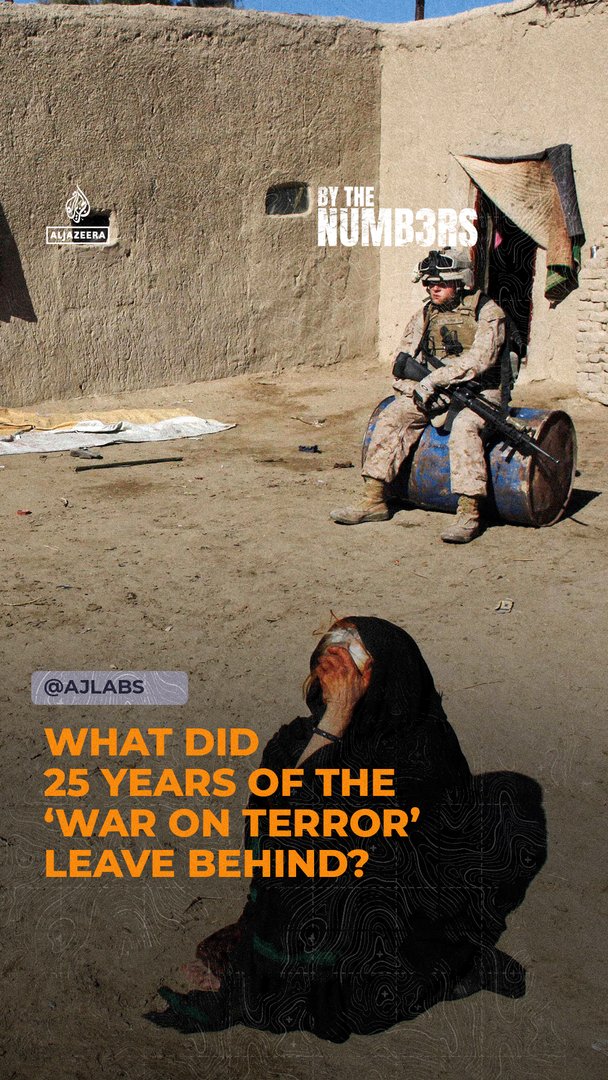
‘War on terror’: How 9/11 changed the language of conflict
The events of September 11, 2001 spawned a new lexicon which effectively sanitised the erosion of human rights.
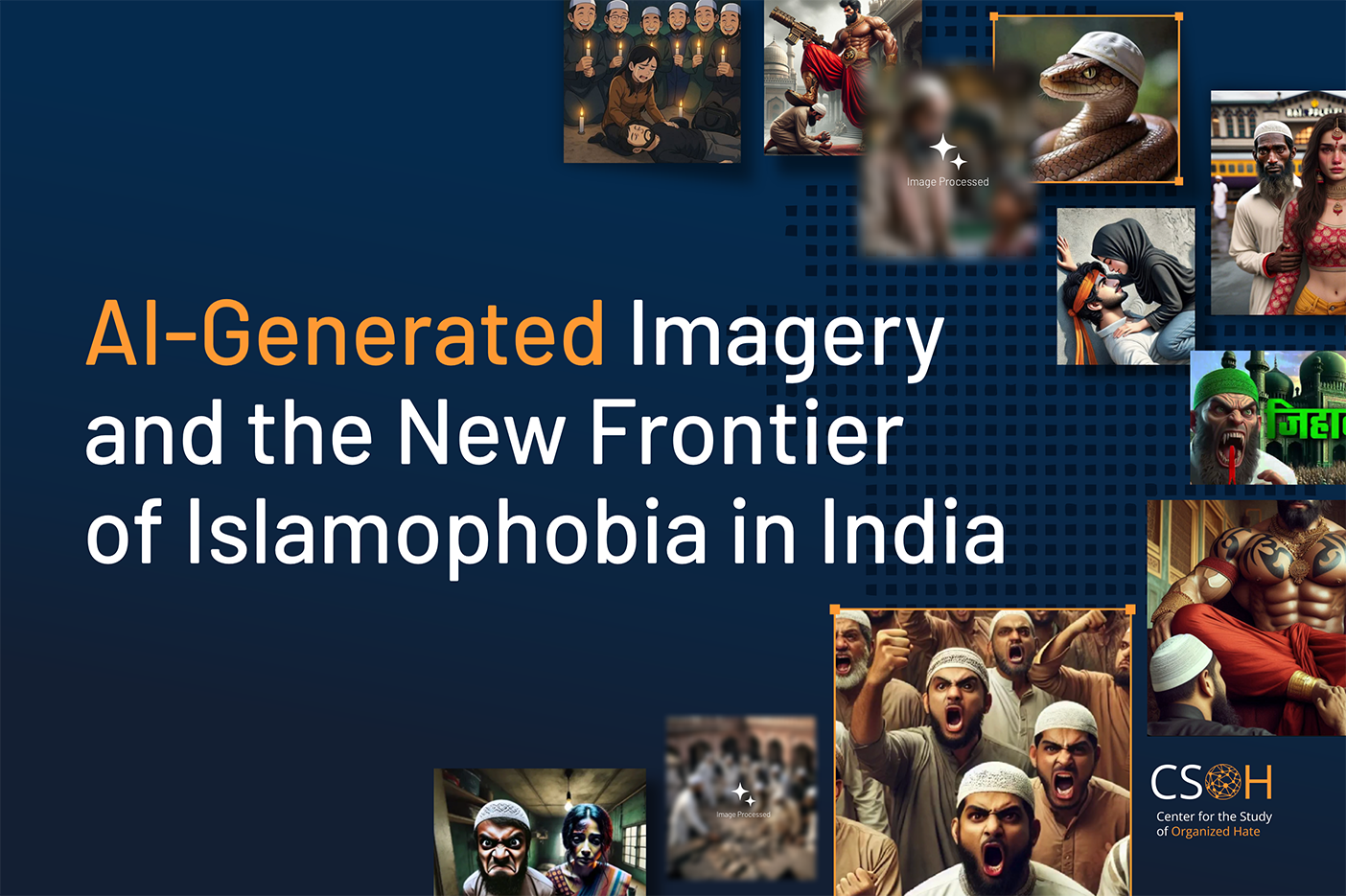
AI-Generated Imagery and the New Frontier of Islamophobia in India
This report studies the weaponization of generative AI tools to produce and spread anti-Muslim visual hate at scale across social media platforms in India.
Leader-driven or Leaderless: How Participation Structure Sustains Engagement and Shapes Narratives in Online Hate Communities
Extremist communities increasingly rely on social media to sustain and amplify divisive discourse. However, the relationship between their internal participation structures, audience engagement, and narrative expression remains underexplored. This study analyzes ten years of Facebook activity by hate groups related to the Israel–Palestine conflict, focusing on anti-Semitic and Islamophobic ideologies. Consistent with prior work, we find that higher participation centralization in online hate groups is associated with greater user engagement across hate ideologies, suggesting the role of key actors in sustaining group activity over time. Meanwhile, our narrative frame detection models—based on an eight-frame extremist taxonomy (e.g., dehumanization, violence justification)—reveal a clear contrast across hate ideologies: centralized Islamophobic groups employ more uniform messaging, while centralized anti-Semitic groups demonstrate greater framing diversity and topical breadth, potentially reflecting distinct historical trajectories and leader coordination patterns. Analysis of the inter-group network indicates that, although centralization and homophily are not clearly linked, ideological distinctions emerge: Islamophobic groups cluster tightly, whereas anti-Semitic groups remain more evenly connected. Overall, these findings clarify how participation structure may shape the dissemination pattern and resonance of extremist narratives online and provide a foundation for tailored strategies to disrupt or mitigate such discourse.
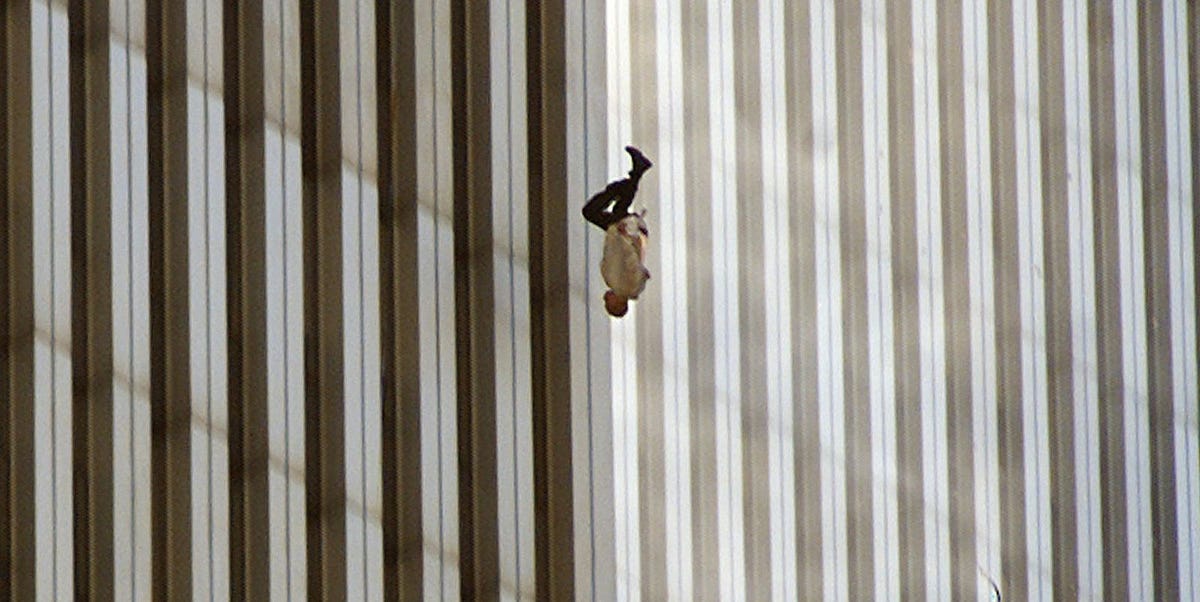
The Falling Man
Do you remember this photograph? In the United States, people have taken pains to banish it from the record of September 11, 2001. The story behind it, though, and the search for the man pictured in it, are our most intimate connection to the horror of that day.
Inside the US ‘Kill Chain’ That Destroyed an Iranian School
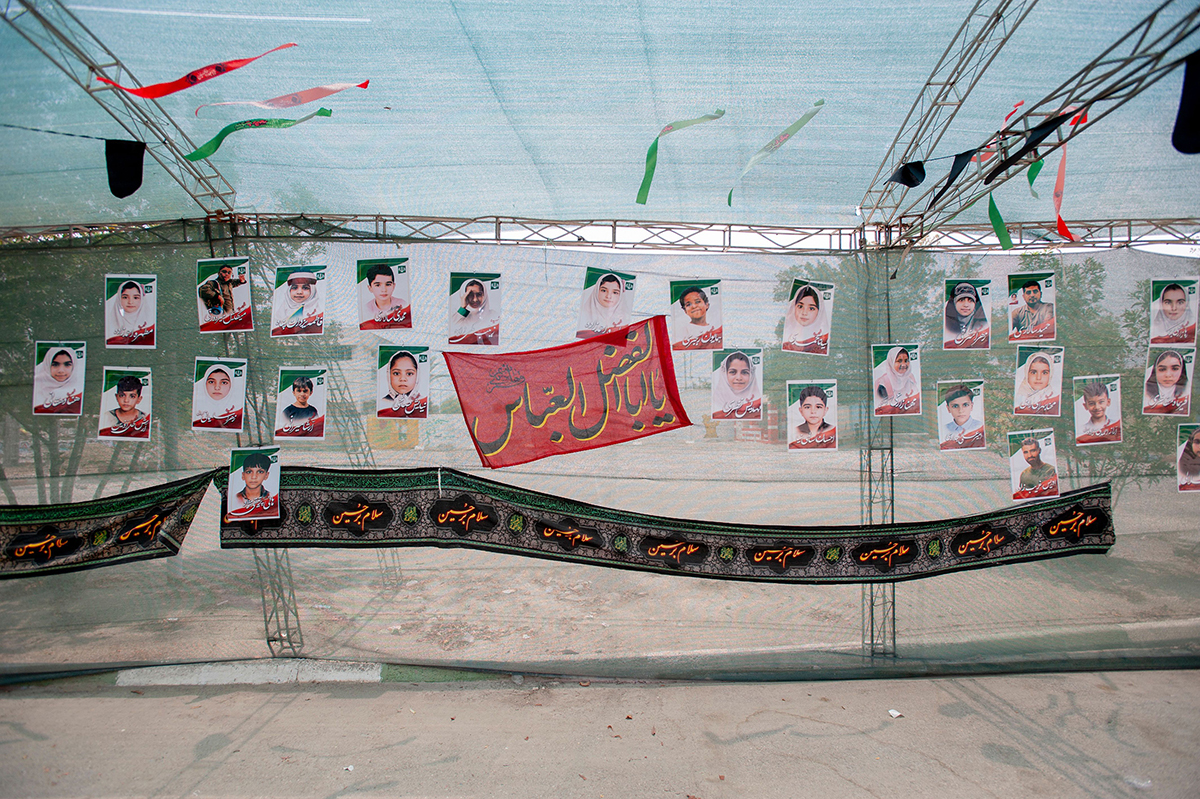
Pentagon investigators have discovered that flawed intelligence, outdated imagery and an overreliance on AI contributed to a missile strike that killed 123 children in Minab.
Inside the US ‘Kill Chain’ That Destroyed an Iranian School
Pentagon investigators have discovered that flawed intelligence, outdated imagery and an overreliance on AI contributed to a missile strike that killed 123 children in Minab.
Inside the US ‘Kill Chain’ That Destroyed an Iranian School
Pentagon investigators have discovered that flawed intelligence, outdated imagery and an overreliance on AI contributed to a missile strike that killed 123 children in Minab.
25 years after 9/11, our definition of terrorism continues to expand : Code Switch
In the 25 years since 9/11, we've seen the definition of terrorism expand. The Trump administration has called more and more groups “terrorists,” from “narco-terrorists” in Ecuador to people who protest ICE to the entire Democratic party. This week, our conversation with Saher Selod, an expert on the surveillance of Muslims, about the effects of the war on terror after 9/11, and historian Alex Lubin about how the word “terrorist” has been used to enact violence and surveillance.Support public media with NPR+ and enjoy perks for over 25 podcasts like this one. This show’s perks include sponsor-free listening. Learn more at plus.npr.org.