I dedicate this to the energy of We.
We need Solidarity | deadSimpleTech
Both me and a lot of people around me have written extensively about the issues that we face in the tech industry, both inward and outward facing. Some of us have attempted to essay potential solutions, but on the whole, I don't believe we've had a coherent strategy for fighting back against this shit as an industry. So, let me propose one: we, as an industry, need to unionise quickly, effectively and on a massive scale.

Are We Really Engineers?
This is part one of the Crossover Project. Part two is here and part three is here. A conference talk based on this work is now available here. I sat in front of Mat, idly chatting about tech and cuisine. Before now, I had known him mostly for his cooking pictures on Twitter, the kind that made me envious of suburbanites and their 75,000 BTU woks. But now he was the test subject for my new project, to see if it was going to be fruitful or a waste of time.
Marketing Guru Scott Galloway: WeWork Is a Distressed Asset
“All we have here is an entity burning seven hundred million dollars a quarter.”

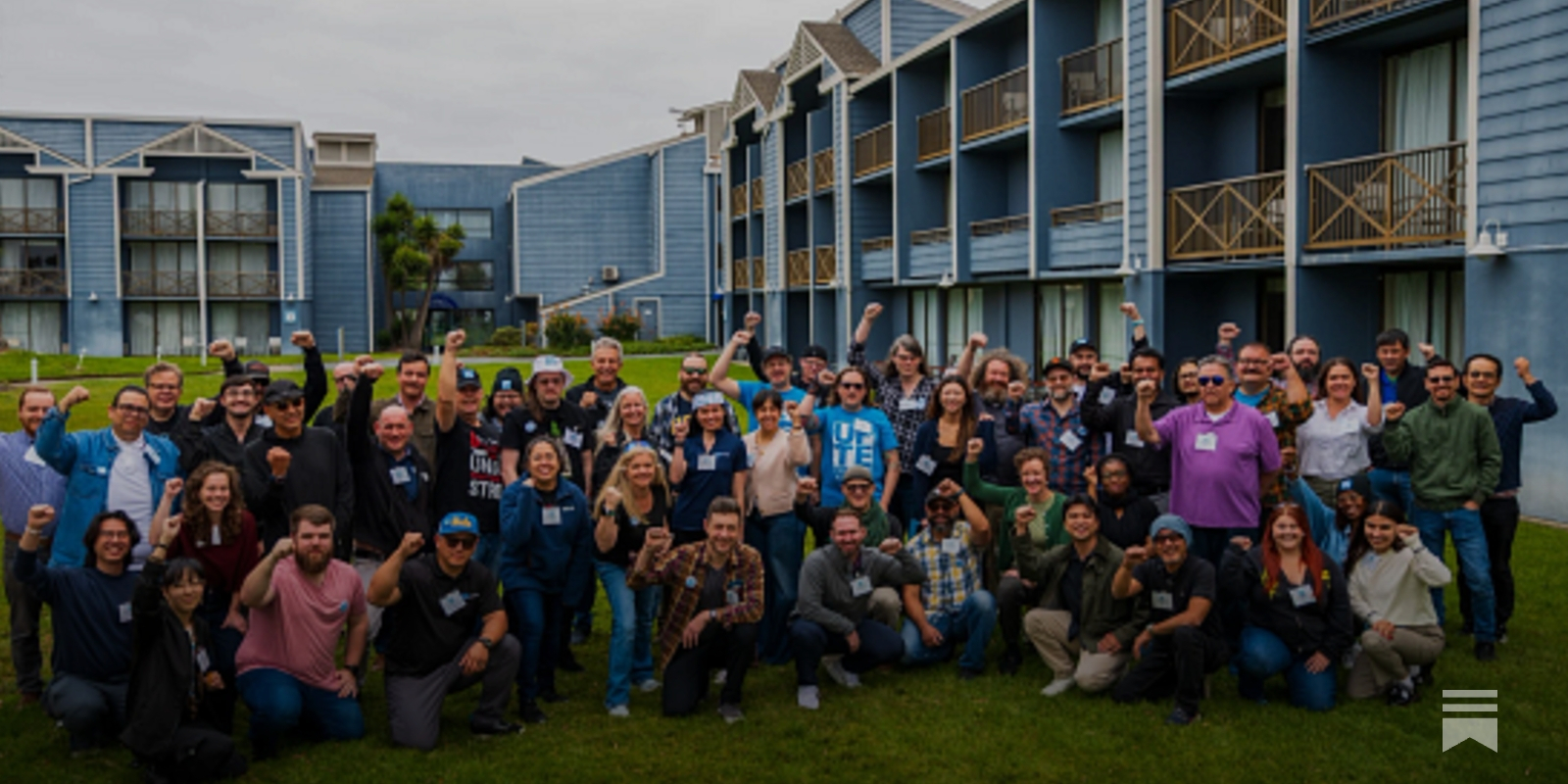
They just formed the biggest tech worker union in the US. They plan to rein in AI and curb layoffs
"Who AI benefits and who it immiserates often is based on who gets to decide how it’s used. We know how tech is used on the day to day. We should be at the table as well."
Tech's Elite Hates Labor
I am furious. Though I try not to humour conspiracy theories, or suggest that there is any grand overture to what is usually an uncaring and cold world, but I cannot ignore what is a transparently-synchronized movement against the tech industry’s workforce.

Richard Geldreich's Blog: Tech company patterns
First off, I'm not finished with this blog post. Don't take it too seriously. This is not about any one company . Some aren't even from me....
Sundae Labs PBC
We, the makers of the machines, are more than the sum of our parts. Let’s domesticate tech to aid human flourishing.

What technology takes from us – and how to take it back | Rebecca Solnit
The long read: Decisions outsourced, chatbots for friends, the natural world an afterthought: Silicon Valley is giving us life void of connection. There is a way out – but it’s going to take collective effort

Pluralistic: The enshittification of tech jobs (27 Apr 2025) – Pluralistic: Daily links from Cory Doctorow
Tech workers are a weird choice for "princes of labor," but for decades they've enjoyed unparalleled labor power, expressed in high wages, lavish stock grants, and whimsical campuses with free laundry and dry-cleaning, gourmet cafeterias, and kombucha on tap:
Why I (Still) Love Tech: In Defense of a Difficult Industry
Technology is just another human creation—like religion or government or sports or money. It's not perfect, and it never will be. But it's still a miracle.

The tools and tricks that let Ars Technica function without a physical office
Looking at the “future of work” with a team that’s been living it for two decades.

Books — Sharon Weinberger
Drawing on deep, exclusive reporting, a veteran national security correspondent reveals how a new military-industrial complex is arising from the cradle of Silicon Valley, with vast implications for American democracy and the global balance of power.Elon Musk, Peter Thiel, and Alexander Karp. These tech titans are fast becoming some of the most powerful figures in the realm of national security, with enormous implications for us all. As Sharon Weinberger reveals in this gripping account, the American military and spy agencies helped to create Silicon Valley as we now know it, and some of its biggest and most valuable companies today owe much of their success to the Pentagon and CIA. Beginning with the War on Terror and accelerating under Donald Trump, however, the old alliance between elected leaders in Washington and the unelected CEOs of Silicon Valley has grown increasingly uneasy as power has shifted to the private sector and Big Tech exerts greater and greater influence over its old patrons. Companies such as SpaceX and Palantir, along with newer entrants to the field such as Anduril, are proudly supporting—and quietly shaping—US national defense, whether by providing spies and soldiers with AI and cloud-computing tools or actual military hardware such as microwave weapons, hypersonic missiles, and advanced drones. The implications of this historic shift are poorly understood and fraught with peril. What happens when mercurial billionaires like Elon Musk control weapons and technologies that were once the preserve of the US government? How will this new military-industrial complex affect the way wars are fought, or even which wars are fought? That is the urgent question before us today, at the dawn of this new era—and as Weinberger reveals, it is one on which our collective future might well hinge.
Collective Action School
Explore how you can remake tech. Tech worker organizing, unionizing, and building different technologies


Technopoly: The Surrender of Culture to Technology
A witty, often terrifying that chronicles our transform…

Tech for... what, exactly?
How ‘tech for good’ launders the expertise, interests, and beliefs of technologists.