


For now, SynthID works only in Google’s ecosystem — but it could someday be all over the internet
Google's SynthID AI watermarking tech is being adopted by OpenAI, Nvidia, and more
AI content is getting good, but SynthID might be able to help tell truth from fiction.
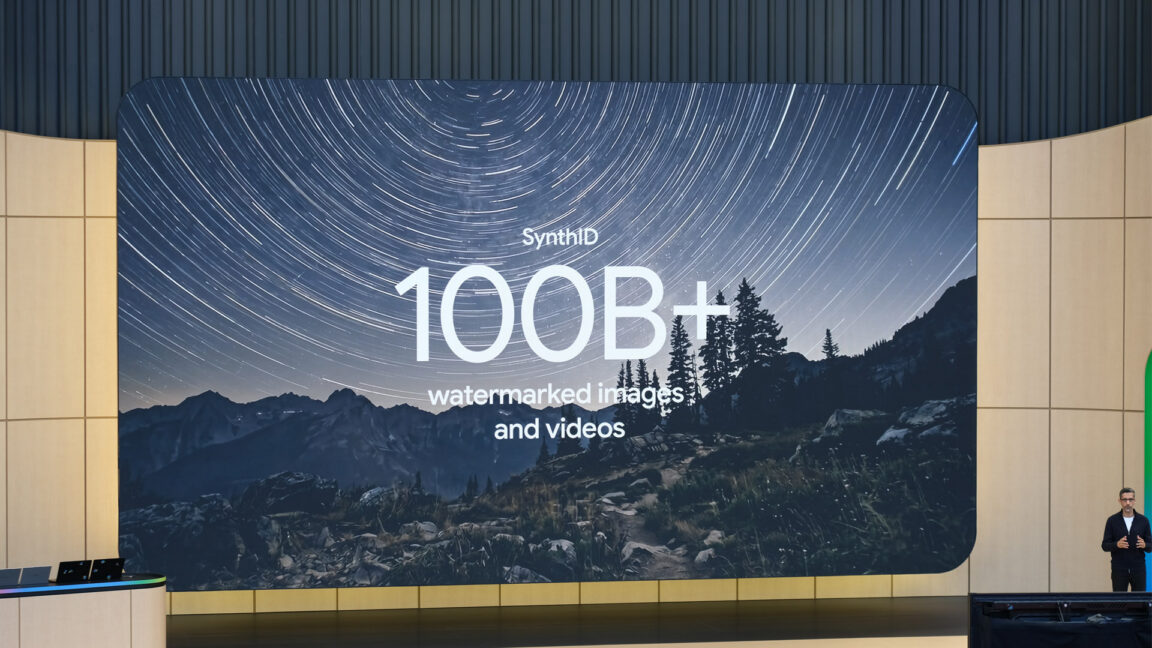
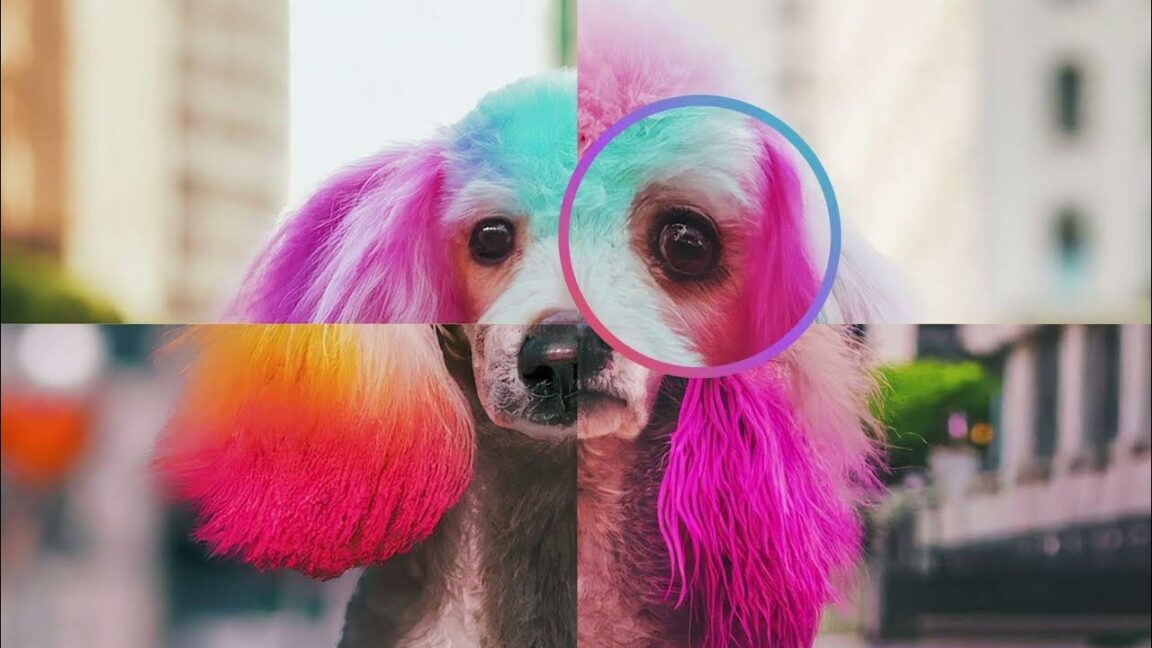
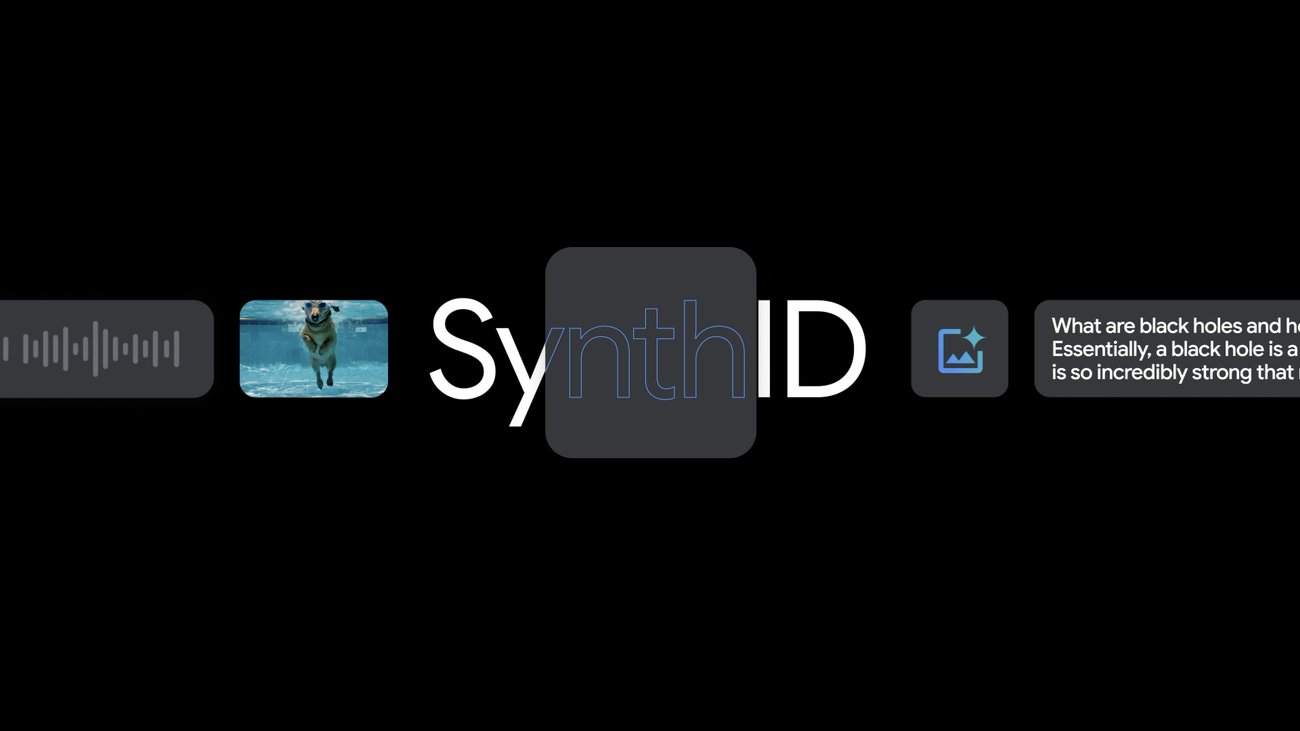
Identifying AI-generated images with SynthID
Today, in partnership with Google Cloud, we’re beta launching SynthID, a new tool for watermarking and identifying AI-generated images. It’s being released to a limited number of Vertex AI customers using Imagen, one of our latest text-to-image models that uses input text to create photorealistic images. This technology embeds a digital watermark directly into the pixels of an image, making it imperceptible to the human eye, but detectable for identification. While generative AI can unlock huge creative potential, it also presents new risks, like creators spreading false information — both intentionally or unintentionally. Being able to identify AI-generated content is critical to empowering people with knowledge of when they’re interacting with generated media, and for helping prevent the spread of misinformation.

Google is embedding inaudible watermarks right into its AI generated music
SynthID comes to audio.

Google offers its AI watermarking tech as free open source toolkit
SynthID provides a hidden way to mark LLM output as artificial.
Google joins AI watermarking coalition as deepfakes hit mainstream tech platforms
Google said it will look to use a project from Adobe called Content Credentials, which adds metadata that indicates AI editing and allows viewers to verify images, videos, audio and documents.

Warning: Google Gemini SynthID AI Watermark Detector Appears To Mix Up Results In Same Chat -- Consistently Shows False Positives And Negatives Under Certain Conditions | Lead Stories
While investigating a video for a recent fact-check, Lead Stories encountered a bizarre issue with the SynthID AI detector in...
Watermarks aren’t the silver bullet for AI misinformation
Digital watermarks are easily broken and abused.

Google’s invisible AI watermark will help identify generative text and video
New AI tools to generate videos and detect them as well.

Meta made its own AI detection system. It should have just used Google’s
Content Seal has a lot of catching up to do.

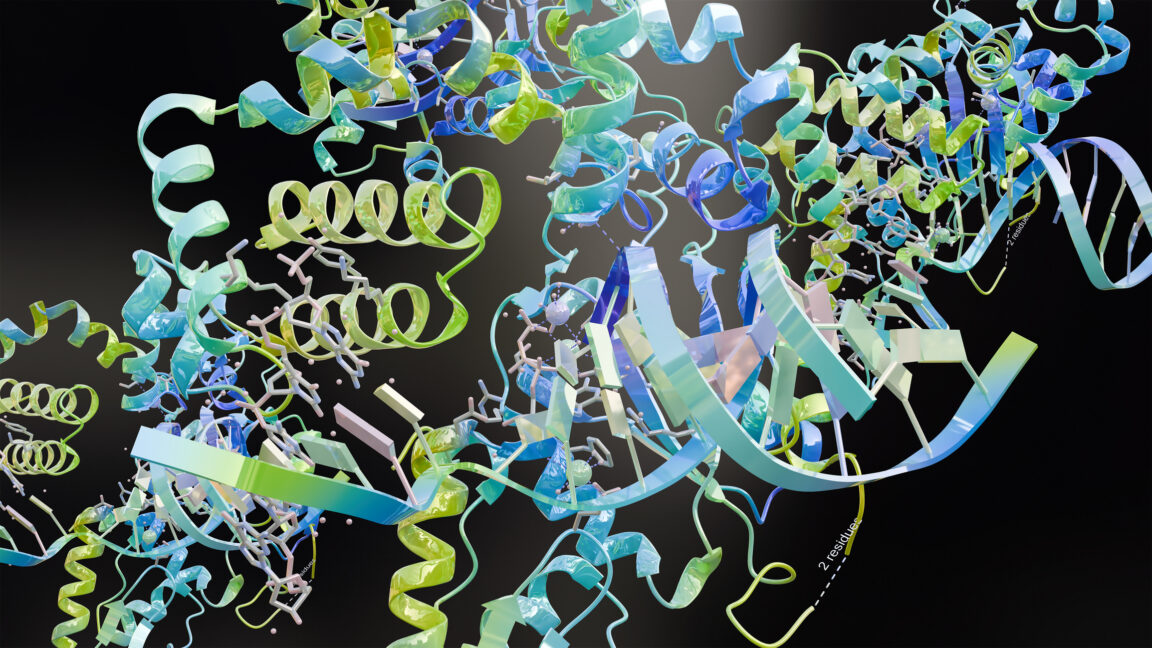
Google figures out how to watermark AI-designed proteins
Intended to help with biosecurity, it works with a popular AI protein design tool.
SynthID Detector — a new portal to help identify AI-generated content
Learn about the new SynthID Detector portal we announced at I/O to help people understand how the content they see online was generated.
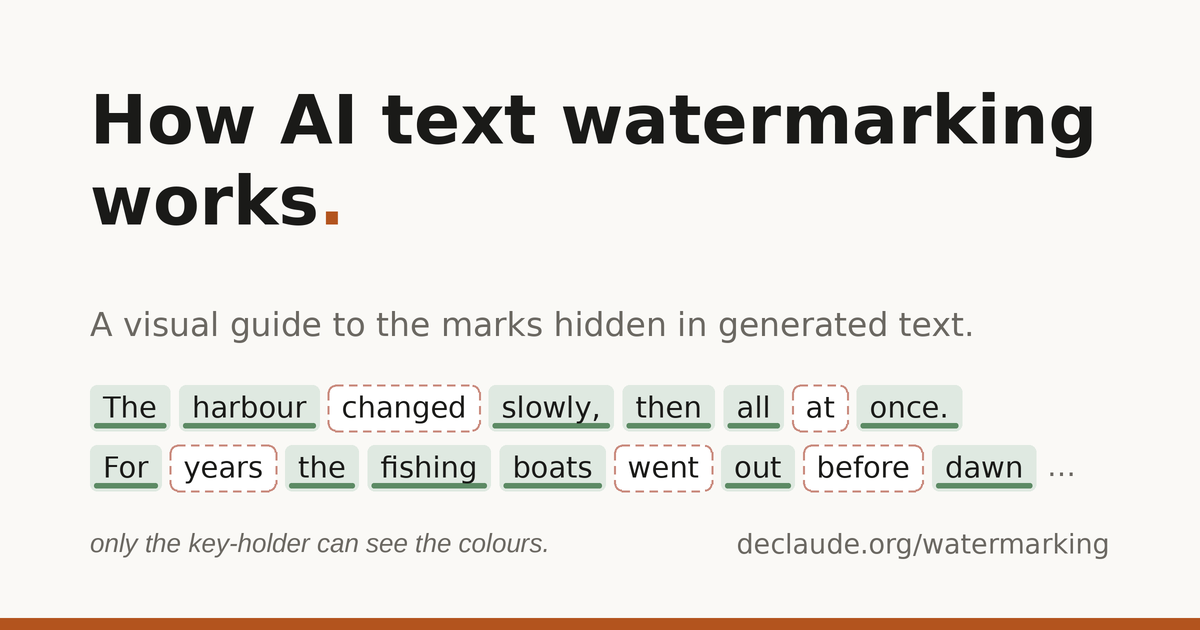
How AI text watermarking works
A gentle visual guide to how a statistical mark hides inside generated text, and what erases it.
Google’s “AI Overview” can give false, misleading, and dangerous answers
From glue-on-pizza recipes to recommending "blinker fluid," Google's AI sourcing needs work.

AI Slop is Killing Online Communities
Like a young child coming home from kindergarten with their latest crayon scrawls, the internet is currently awash with people sharing their AI-generated work. And just like the young child’s drawings, much of that work should be proudly put up on the walls within the artist’s house—and no further.

Google AI Edge Gallery | Google for Developers
Alex Cui on Twitter / X
Claude's watermark probably doesn't work how you think. As the CTO of GPTZero, I'll explain how Anthropic, Google and OpenAI are building text watermarking in this brief explainer and whether it can be defeated.Almost all forms of watermarking that are fast and cheap enough for… https://t.co/3Ghcz3PTwJ— Alex Cui (@alexcdot) August 11, 2026