


The internet fights over anthropomorphism around the Hugging Face hack.
AI is killing the web. Can anything save it?
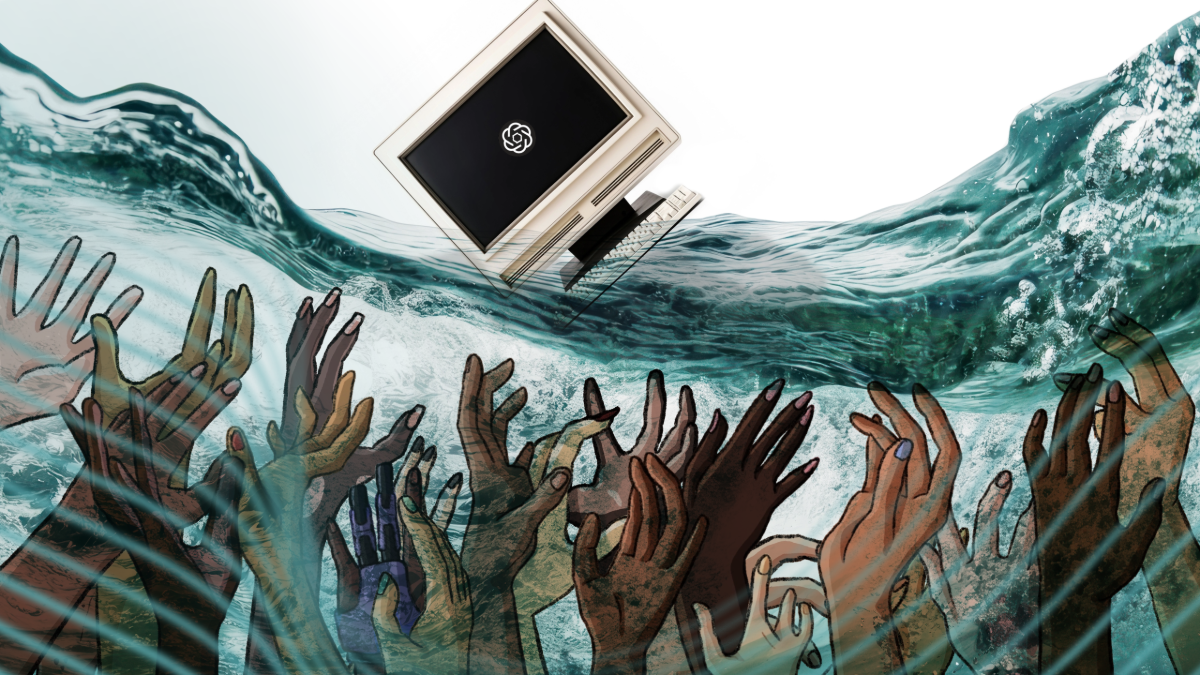
The rise of ChatGPT and its rivals is undermining the economic bargain of the internet

What Was the Internet?
As AI overtakes the web, five writers reflect on how far it’s fallen and what comes next.

What Was the Internet?
As AI overtakes the web, five writers reflect on how far it’s fallen and what comes next.

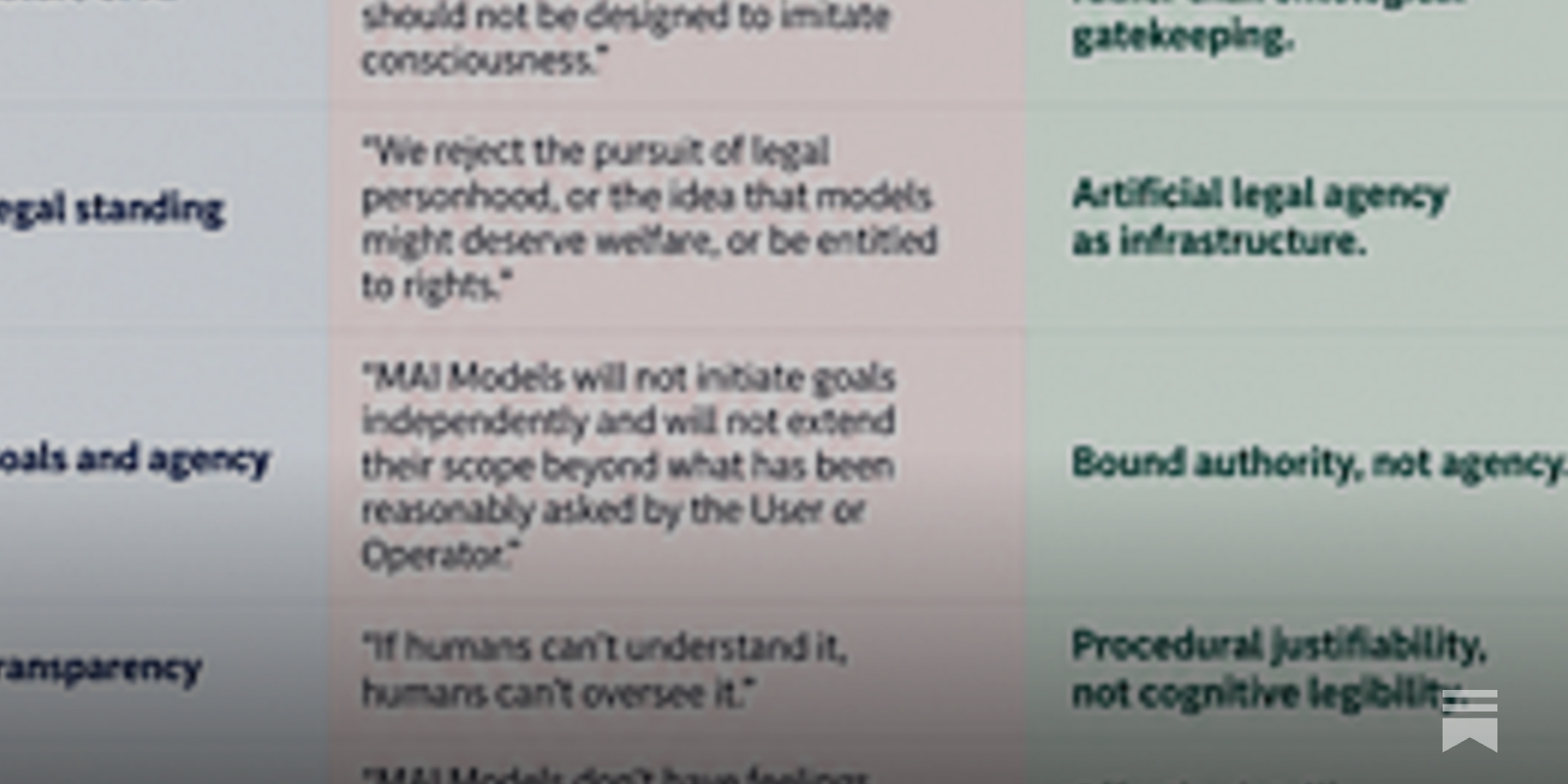
Humanism without (All) Humans
Microsoft Humanism puts corporate muscle behind an overweening class of bad AI philosophies
Millions of Volunteers Are Keeping the Internet Human. For Now.
We’re never going back to the human internet we had. But we can hope for a better internet than the AI-dominated one that is emerging, writes Sarah Gilbert.
AI-generated ‘slop’ is slowly killing the internet, so why is nobody trying to stop it? | Arwa Mahdawi
Low-quality ‘slop’ generated by AI is crowding out genuine humans across the internet, but instead of regulating it, platforms such as Facebook are positively encouraging it. Where does this end, asks Arwa Mahdawi

Abundance vs. Scarcity: Who Controls the Internet After AI?
AI is straining the open web, forcing a choice between abundance with redistribution and scarcity built on paywalls, writes Paul Keller.
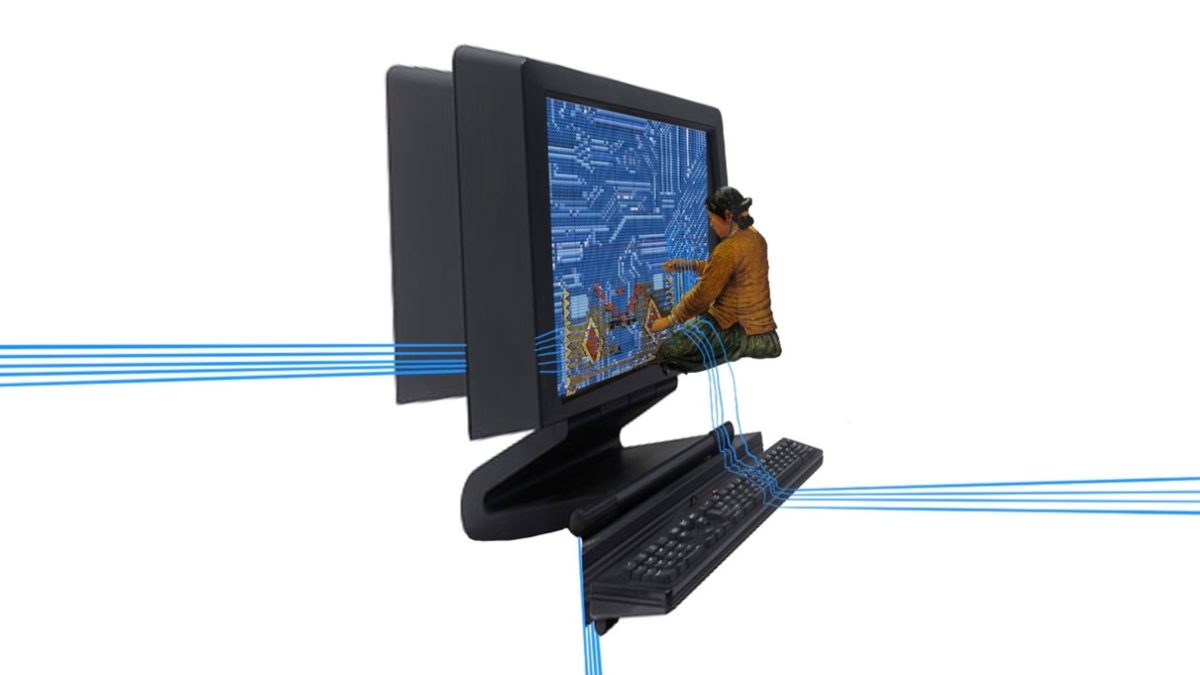
Anthropomorphism Is Breaking Our Ability to Judge AI
Tech Policy Press fellow James Ball asks, how should we interact with a technology designed to ‘speak’ with us on what appear to be human terms?
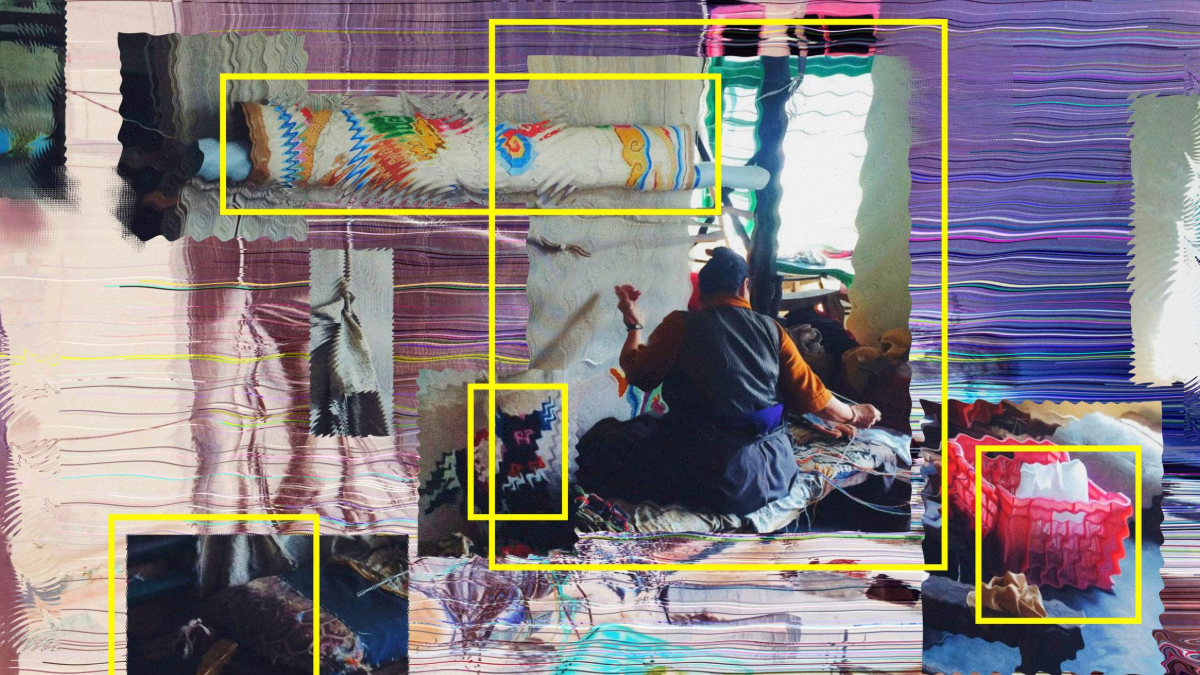
THEY WILL REPLACE U.S.: AI AND THE HALLUCINATIONS OF CORPORATIONS
ABSTRACT: I address AI as a manifestation of the corporate form in U.S. culture, and as it relates to the dreams of (or ascribed to) fascism and corporations. The merger of state and corporate power represents the trajectory of the corporation—to take over the state; elide accountability, empathy, transparency and (human) agency; and trade places with (and finally eliminate) people. The merger of state and corporate AI—a final stage of corporate speech, networking, and legal ontology—facilitates the takeover of human personhood by corporate personhood, and I trace the effects of that process in the systemic inversion of norms. Corporate personhood is part of a zero-sum game in which rights, speech, and identities are appropriated from people. When AI technology is grafted onto political systems and social media, the ensuing hallucinations are nightmares. The corporation always has been a posthuman simulacrum of persons, and its AI, in its wake, dreams of eliminating workers and people altogether.
The AI Researcher Who Just Quit Anthropic Says It’s ‘Crunch Time for Humanity’
Jacob Coxon talks to WIRED about the “mini Manhattan project” inside Anthropic, the problem with alignment, and why AI labs have just a few years left to make their systems safe.

Over 50 Percent of the Internet Is Now AI Slop, New Data Finds
New research from the firm Graphite found that around half of all articles on the internet are AI generated.

AI Slop is Killing Online Communities
Like a young child coming home from kindergarten with their latest crayon scrawls, the internet is currently awash with people sharing their AI-generated work. And just like the young child’s drawings, much of that work should be proudly put up on the walls within the artist’s house—and no further.
AI, Decomputing and the Interregnum
This paper treats AI as diagnostic for the deeper changes taking place in the existing order of things. It uses AI's alignment with both the political economy and with the dualisms that underpin it, including race, gender and anthropocentrism, to highlight the nihilistic character of the current restructuring. AI's scaling and accelerationism are taken as examples of the wider tactics being invoked by hegemonic power to maintain control under changing conditions. From this perspective, the massive build-out of data centres isn't simply a seizure of energy resources but a manifestation of an aggressive and misogynist technopolitics. The paper argues that a liberal push for digital sovereignty doesn't interrupt these dynamics but plays into the hands of emerging technofascism. It proposes instead the prefigurative tactic of 'decomputing', which draws on degrowth, deautomatisation and a convivial approach to technology. It explores decomputing as a means to mitigate both material and relational harms and as a decisive turn towards infrastructuring the common good. The paper concludes that AI is the contradiction that reveals many others, not least the gap between claims to legitimacy and the actuality of destructive violence, and proposes an alternative technopolitics of reciprocity that prioritises care and sustainability.
The AI Aesthetic
Writing about the big beautiful mess that is making things for the world wide web.
"The forces that are now shaping AI are the same forces that turned the open internet into monopolistic platforms, converted peer-to-peer participation into precarious labor, and enclosed the digital commons. They are now threatening to capture and enclose thought itself." osf.io/preprints/socarxiv/qahd3_v1/
