Meta is rate-limiting on-device features.
Meta just created a moderation nightmare for its smart glasses
A new ban on some Meta glasses content is more complicated than it seems

If you own Ray-Ban Meta glasses, you should double-check your privacy settings | TechCrunch
Meta has updated the privacy policy for its AI glasses, Ray-Ban Meta, giving the tech giant more power over what data it can store and use to train its AI models.

A $60 Mod to Meta’s Ray-Bans Disables Its Privacy-Protecting Recording Light
Meta’s Ray-Ban glasses usually include an LED that lights up when the user is recording other people. One hobbyist is charging a small fee to disable that light, and has a growing list of customers around the country.

EPIC Urges FTC, States to Block Meta’s Facial Recognition Smart Glasses Plan
<p>EPIC has sent a letter to the Federal Trade Commission and State Attorneys General urging them to quickly investigate and prevent Meta’s plan to add facial recognition and surveillance capabilities to its Ray-Ban Meta glasses. </p>

Think Twice Before Buying or Using Meta’s Ray-Bans
Over the last decade or so, the tech industry has tried, and mostly failed, to make “smart glasses”—tech-infused glasses with cameras, AI, maps, displays, and more—a thing. But in the past year,

Meta glasses captured and shared intimate images without users' consent, lawsuit claims
People who use Meta's smart glasses or were recorded with the gadget are worried about how the social media giant is using their photos and videos.

Meta’s Smart Ray-Ban Glasses Let Me Live in the Moment. But the AI Is Useless.
Ray-Ban Meta glasses let you record life hands-free in style. But weak AI and privacy trade-offs make them more risk than reward for most people.

For Meta’s Smart Glasses, Access Is An Afterthought
Tech companies are using accessibility as a smoke screen to obfuscate the risks of AI wearables, writes Ariana Aboulafia.
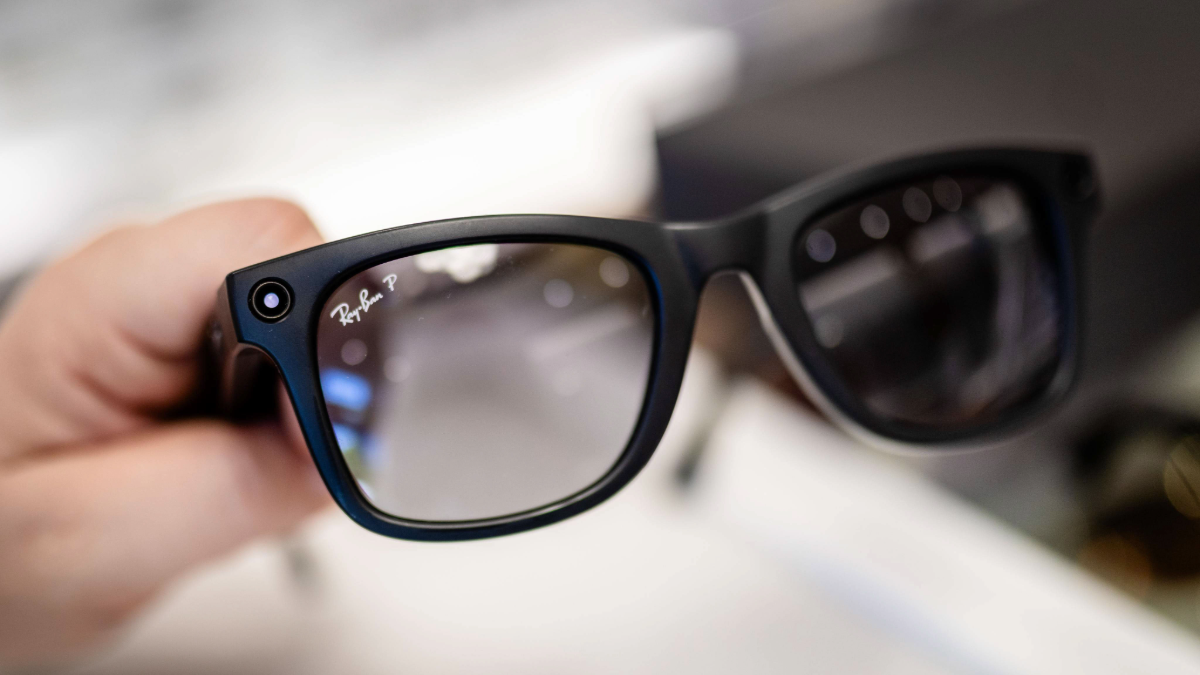
For Meta’s Smart Glasses, Access Is An Afterthought
Tech companies are using accessibility as a smoke screen to obfuscate the risks of AI wearables, writes Ariana Aboulafia.
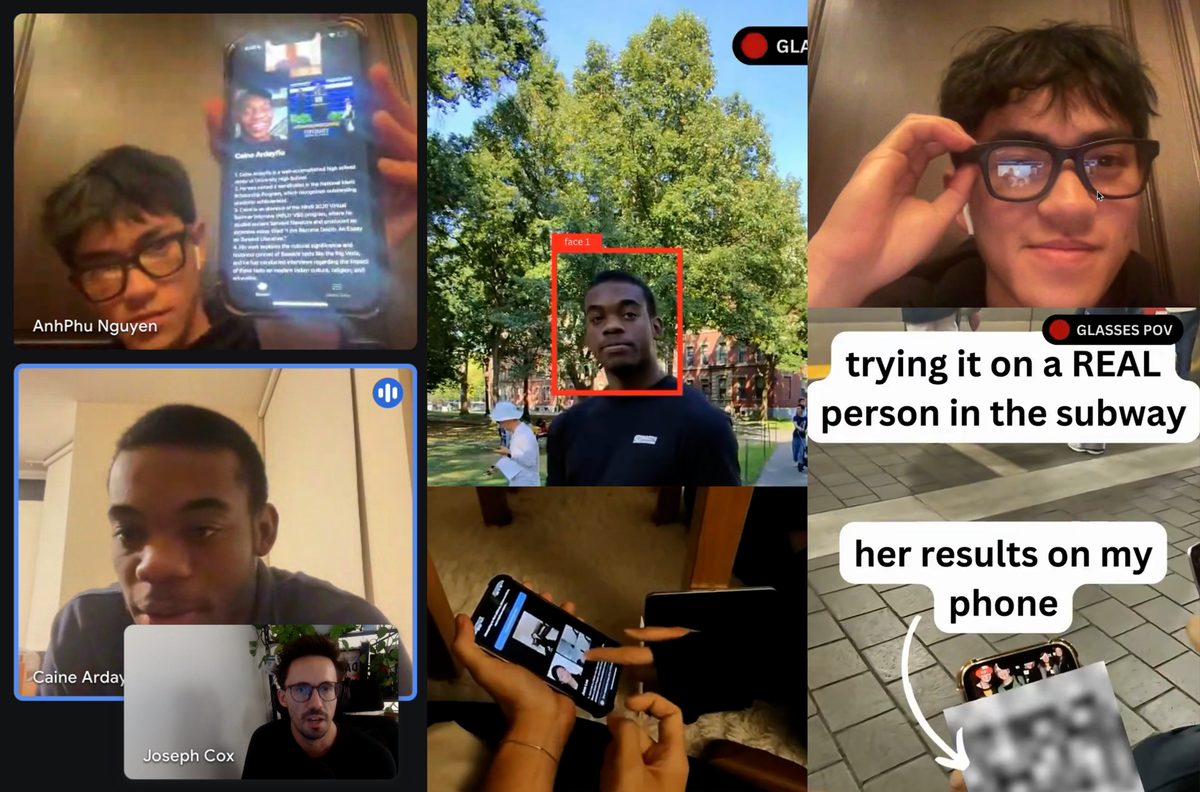
Someone Put Facial Recognition Tech onto Meta's Smart Glasses to Instantly Dox Strangers
The technology, which marries Meta’s smart Ray Ban glasses with the facial recognition service Pimeyes and some other tools, lets someone automatically go from face, to name, to phone number, and home address.
Meta sued over AI smart glasses' privacy concerns, after workers reviewed nudity, sex, and other footage | TechCrunch
Lawyers say Meta's marketing materials promised privacy and user control over sharing footage. But an investigation found that subcontractors are reviewing footage from customers' glasses.
Meta tightens privacy policy around Ray-Ban glasses to boost AI training
Your voice recordings will now be stored no matter what.

Meta Plans to Add Facial Recognition Technology to Its Smart Glasses
In an internal memo last year, Meta said the political tumult in the United States would distract critics from the feature’s release.

This App Warns You if Someone Is Wearing Smart Glasses Nearby
The creator of Nearby Glasses made the app after reading 404 Media's coverage of how people are using Meta's Ray-Bans smartglasses to film people without their knowledge or consent. “I consider it to be a tiny part of resistance against surveillance tech.”

Meta’s Ray-Ban Smart Glasses Used To Instantly Dox Strangers In Public, Thanks To AI And Facial Recognition
Harvard students hack together a system to gather intel on strangers to build their trust, then share steps for the public to protect themselves from such technology.

Dutch retailers suspend Meta smart glasses sales amid privacy concerns | Digital Watch Observatory
Sales of Meta’s smart glasses have been suspended by two Dutch retailers amid concerns over covert recording and privacy safeguards.