


The industry is in a panic, but it’s been claiming to want legal guardrails for years — with few meaningful results.
Why AI companies can’t be trusted to self-regulate
From aviation to banking, high-risk industries are subject to independent oversight and meaningful penalties. AI companies should be no exception.
AI Guardrails Aren’t Stopping Criminal Hackers
Hackers around the world are all-in on using agentic AI to wage attacks—and manipulating tools like Anthropic’s Claude to help them carry out their crimes.

Where AI Regulation Stands Today
The White House has released a National Artificial Intelligence Legislative Framework and new executive orders aiming to establish a single, nationwide standard for AI regulation...

Study maps how ‘Big AI’ influences AI laws and oversight — Centre for Technomoral Futures
AI companies influence policy and regulation using similar techniques to Big Tobacco, Big Pharma and Big Oil, according to a new study by colleagues at University of Edinburgh, Trinity College Dublin, TU Delft and Carnegie Mellon University.

Microsoft CEO responds to AI-generated Taylor Swift fake nude images
CEO Satya Nadella said "guardrails" need to be placed around AI technology.
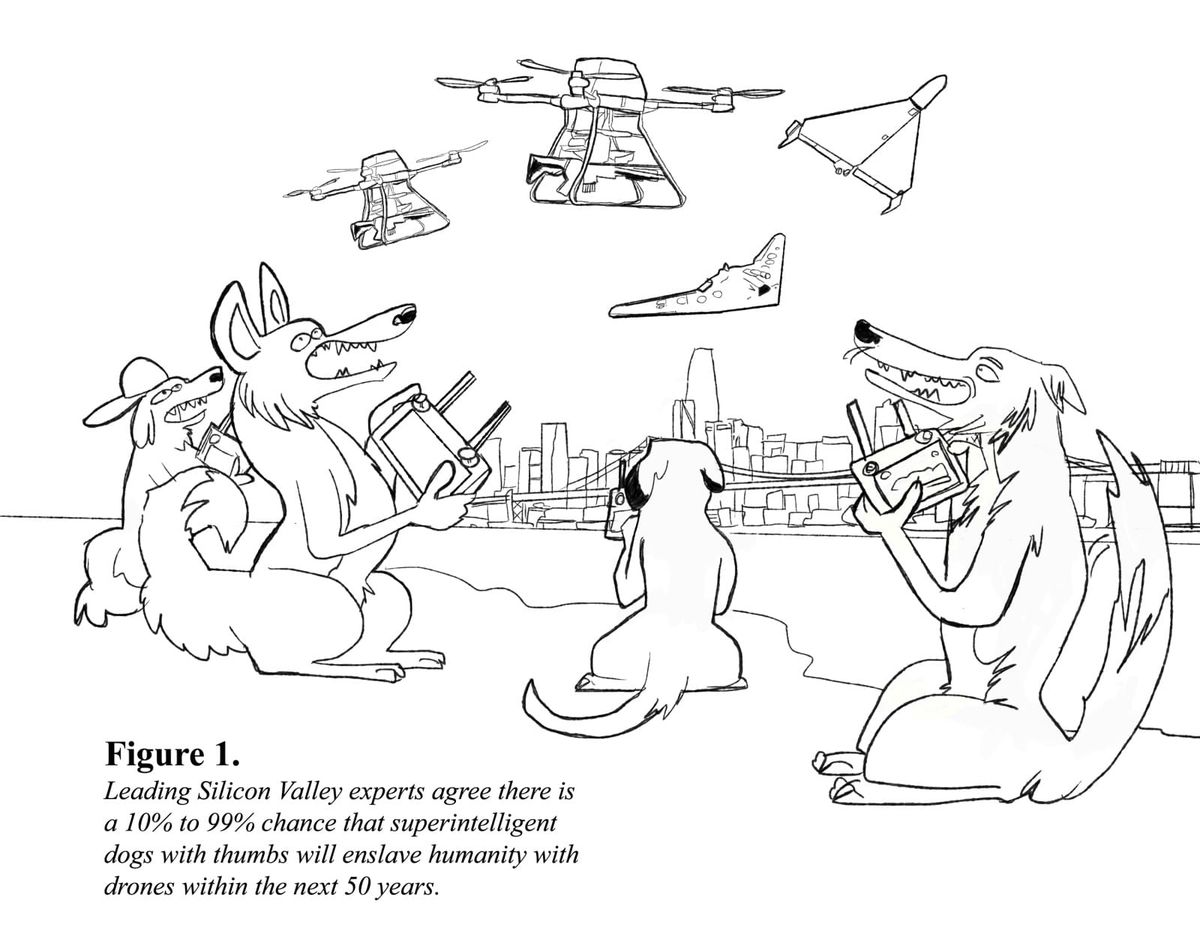
Why We Can't Let Enormous Weirdos Regulate AI
Imagine if instead of regulating drones via the standard lengthy, boring, and bureaucratic process - which we did - we instead decided, in the name of fostering all-important American drone innovation, to avoid regulating drones meaningfully at all. Also, imagine that we did not pay well-known aviation safety experts, aeronautical
AI Companies Should Report Pre- and Post-Mitigation Safety Evaluations
The rapid advancement of AI systems has raised widespread concerns about potential harms of frontier AI systems and the need for responsible evaluation and oversight. In this position paper, we argue that frontier AI companies should report both pre- and post-mitigation safety evaluations to enable informed policy decisions. Evaluating models at both stages provides policymakers with essential evidence to regulate deployment, access, and safety standards. We show that relying on either in isolation can create a misleading picture of model safety. Our analysis of AI safety disclosures from leading frontier labs identifies three critical gaps: (1) companies rarely evaluate both pre- and post-mitigation versions, (2) evaluation methods lack standardization, and (3) reported results are often too vague to inform policy. To address these issues, we recommend mandatory disclosure of pre- and post- mitigation capabilities to approved government bodies, standardized evaluation methods, and minimum transparency requirements for public safety reporting. These ensure that policymakers and regulators can craft targeted safety measures, assess deployment risks, and scrutinize companies’ safety claims effectively.
ProPublica’s Approach to AI
The principles and guardrails underlying our practices with artificial intelligence.

Our views on AI policy and political advocacy
Our approach to AI policy and political advocacy, transparency, support for thoughtful regulation and AI safety, and that no outside political group speaks on the company’s behalf.
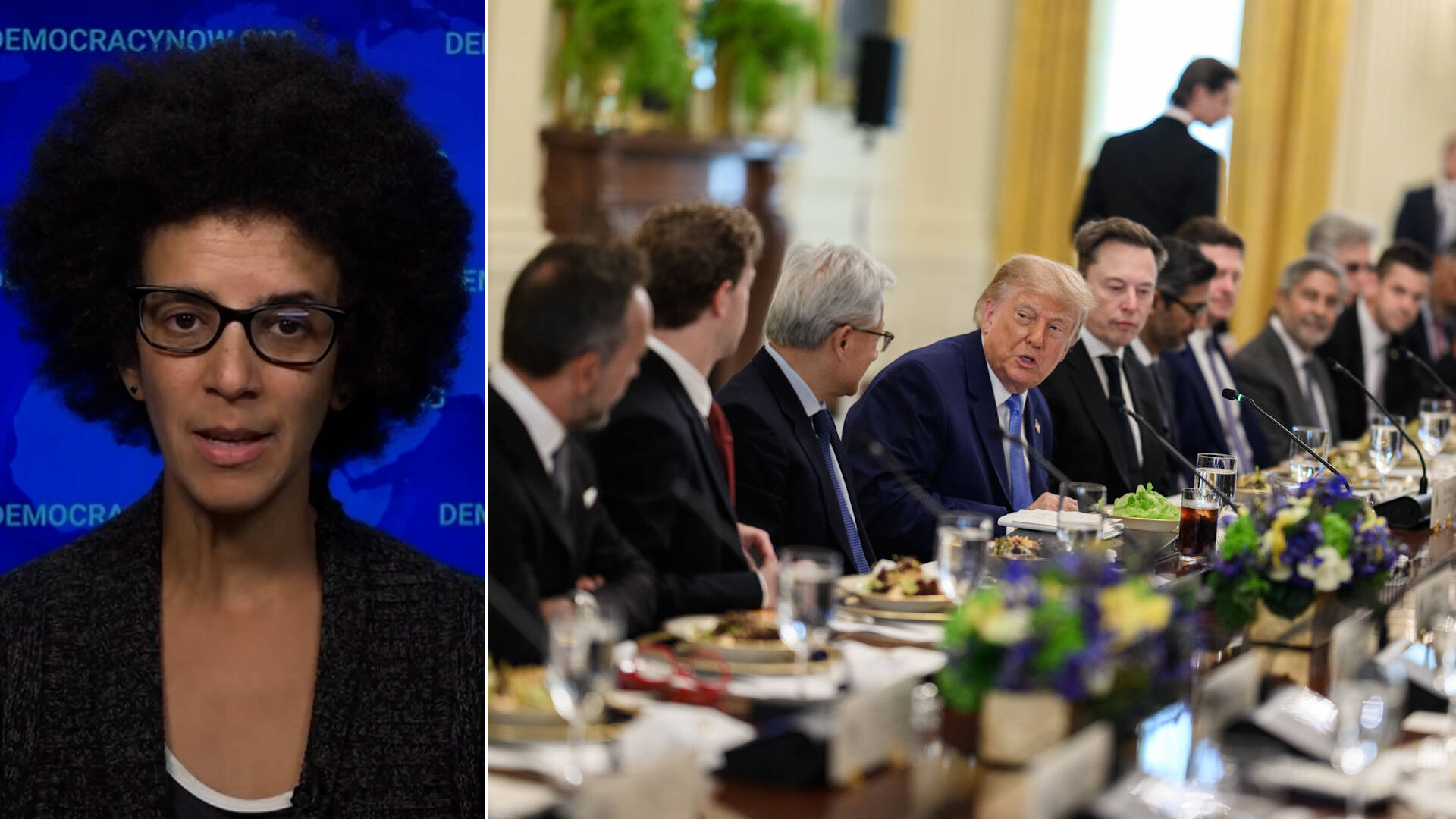
The Real Existential Risk Is AI CEOs Avoiding Oversight: “Alternative Nobel” Winner Timnit Gebru
We speak to the prominent AI researcher and leading critic of the AI industry, Timnit Gebru, who was recently awarded a 2026 Right Livelihood Award for her work investigating the harms and hype behind the global buildup of artificial intelligence. “Instead of discussing faulty, unreliable systems,” Gebru says tech leaders like SpaceXAI’s Elon Musk, OpenAI’s Sam Altman and Anthropic’s Dario Amodei are “marketing their systems as all-knowing, superpowerful, superintelligent,” and lobbying for “self-policing and self-regulation” to avoid being held “liable through existing laws.” Gebru expresses skepticism over increasingly widespread claims that AI algorithms pose an existential risk to humanity, warning that such claims are overblown and that “what is actually happening is regulatory capture.”
Debates over AI consciousness are a trap
If AI systems are viewed as too advanced to control, the companies that build them can’t held liable for the harms they cause.

What Can We Learn From the FDA Model for AI Regulation? - AI Now Institute
After holding a rapid deliberation late last year that convened deep experts on the FDA alongside key participants in the AI policy debate, we pulled together several immediate insights into a memo. Though it was clear the path forward isn’t to port over any single regulatory model wholesale, hosting a deep dive into the Food […]
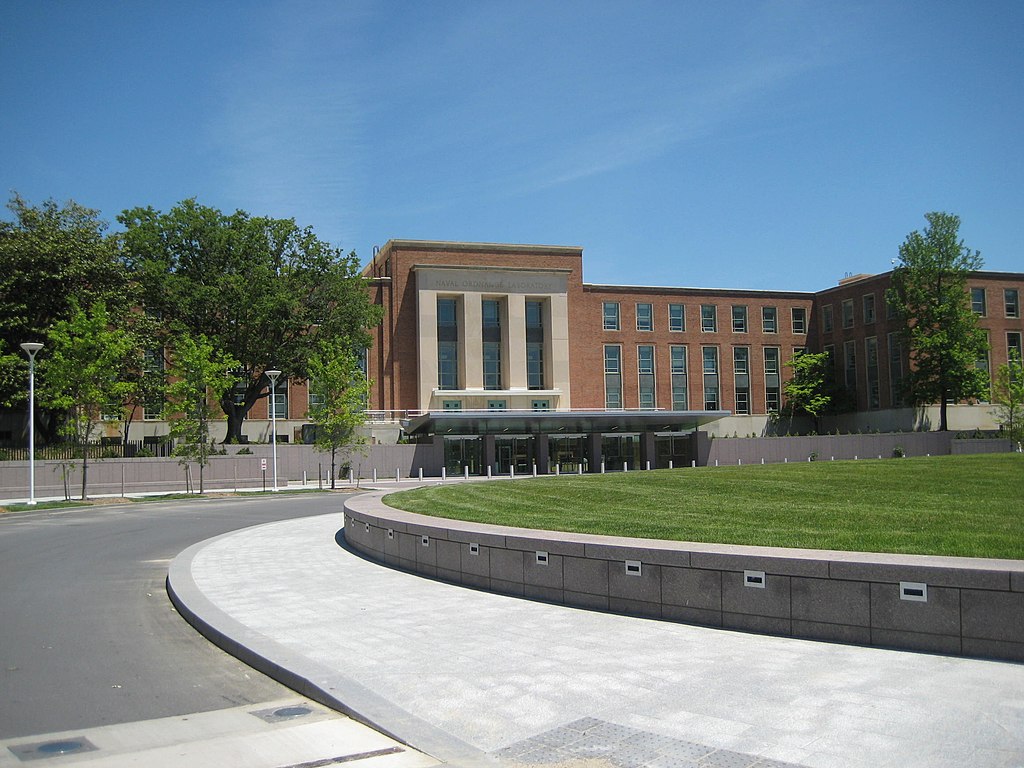
OpenAI president urges AI safeguards as group he funds opposes regulation
As OpenAI executives step up their public calls for federal AI safety rules, a political group the company’s president helped fund is spending millions to elect members of Congress who oppose restrictions on the technology.

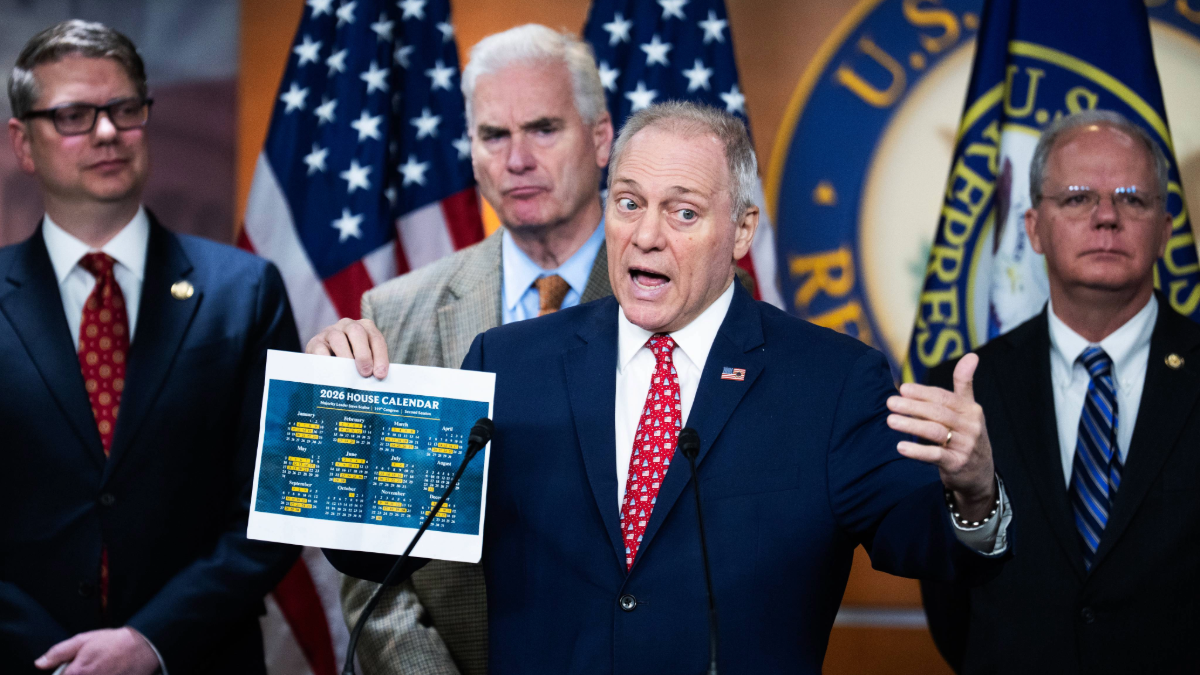
It’s Back. Congress Gears Up for Year-End Fight Over Moratorium on AI Laws. | TechPolicy.Press
A proposed federal moratorium on enforcement of state AI laws failed last summer, but lawmakers have resurrected the idea, writes Cristiano Lima-Strong.
1000+ scientists at frontier AI companies are speaking out to warn that the current commercial race leads to unacceptable security risks. I agree with their call for an international effort to develop technical and governance guardrails to ensure a safer way forward. pacingthefrontier.com

Pacing the Frontier
www.pacingthefrontier.comAI* laws/regulations/safety standards

Specific examples * I’m neither “pro-AI” nor “anti-AI.” I’ve been blocked for being perceived as both. —Actually, I’m honestly more anti-AI than pro-AI thus far, aside from specialized models and specific use cases, but I’m willing to consider information that’s new to me

China has cracked down on AI relationships. Is it ahead of the game?
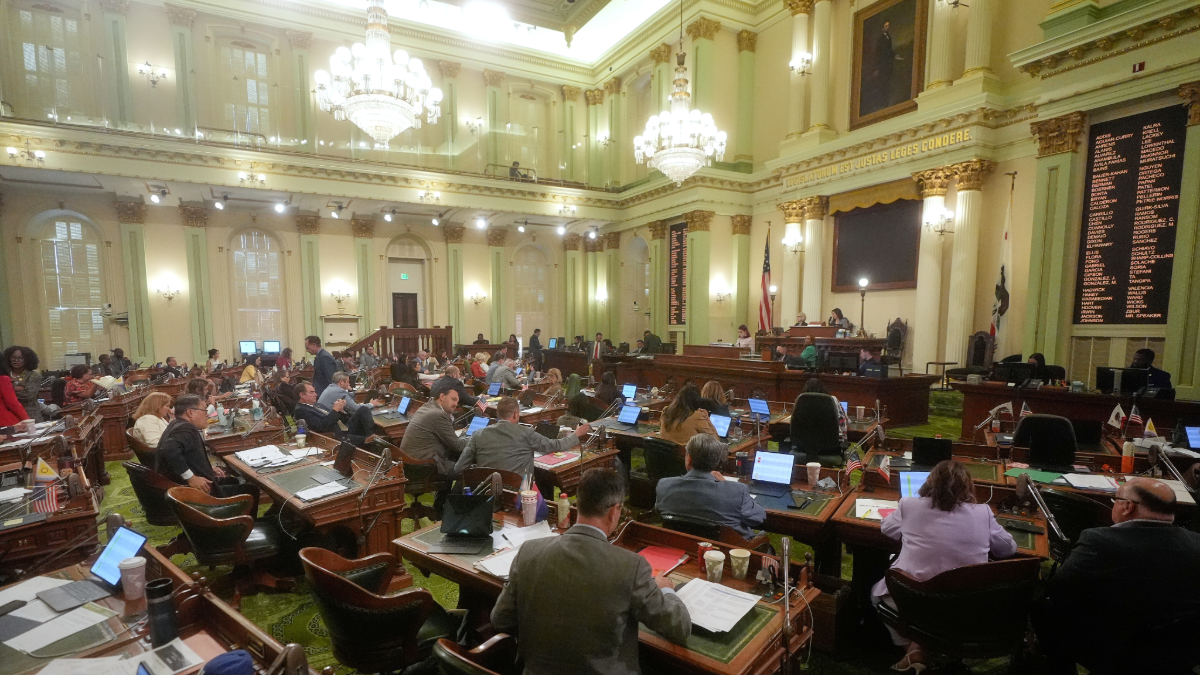
California Leads the Way With New Slate of AI Bills
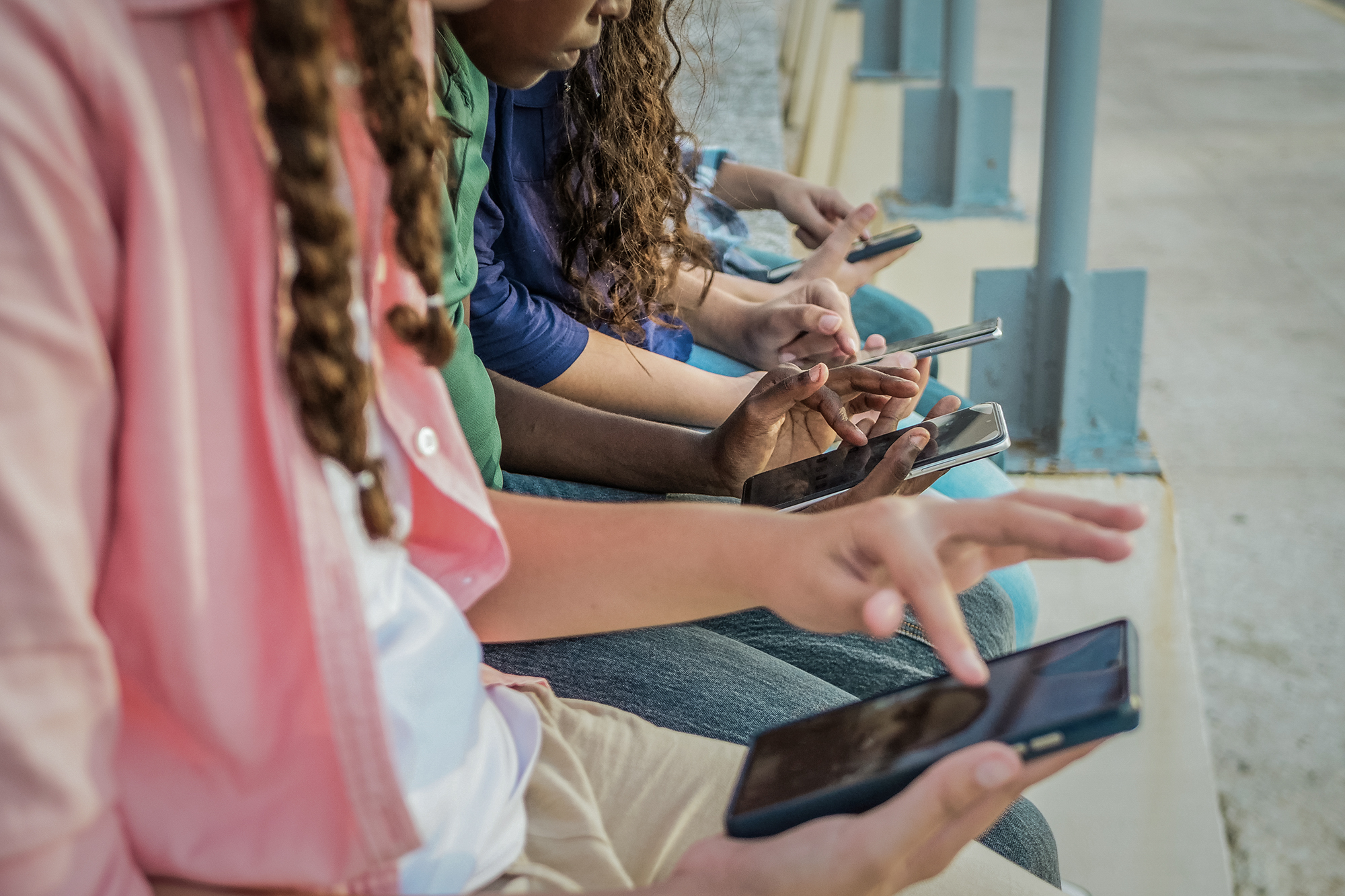
California enacts laws restricting chatbots and banning teens from ‘addictive’ social media
consultations.tga.gov.au
法務省:肖像、声等の無断利用による民事責任の在り方に関する検討会

声も「人格の象徴」明記、法務省 AI偽動画公開は権利侵害 | NEWSjp
