


It’s not just small talk, it’s all talk that’s dying.
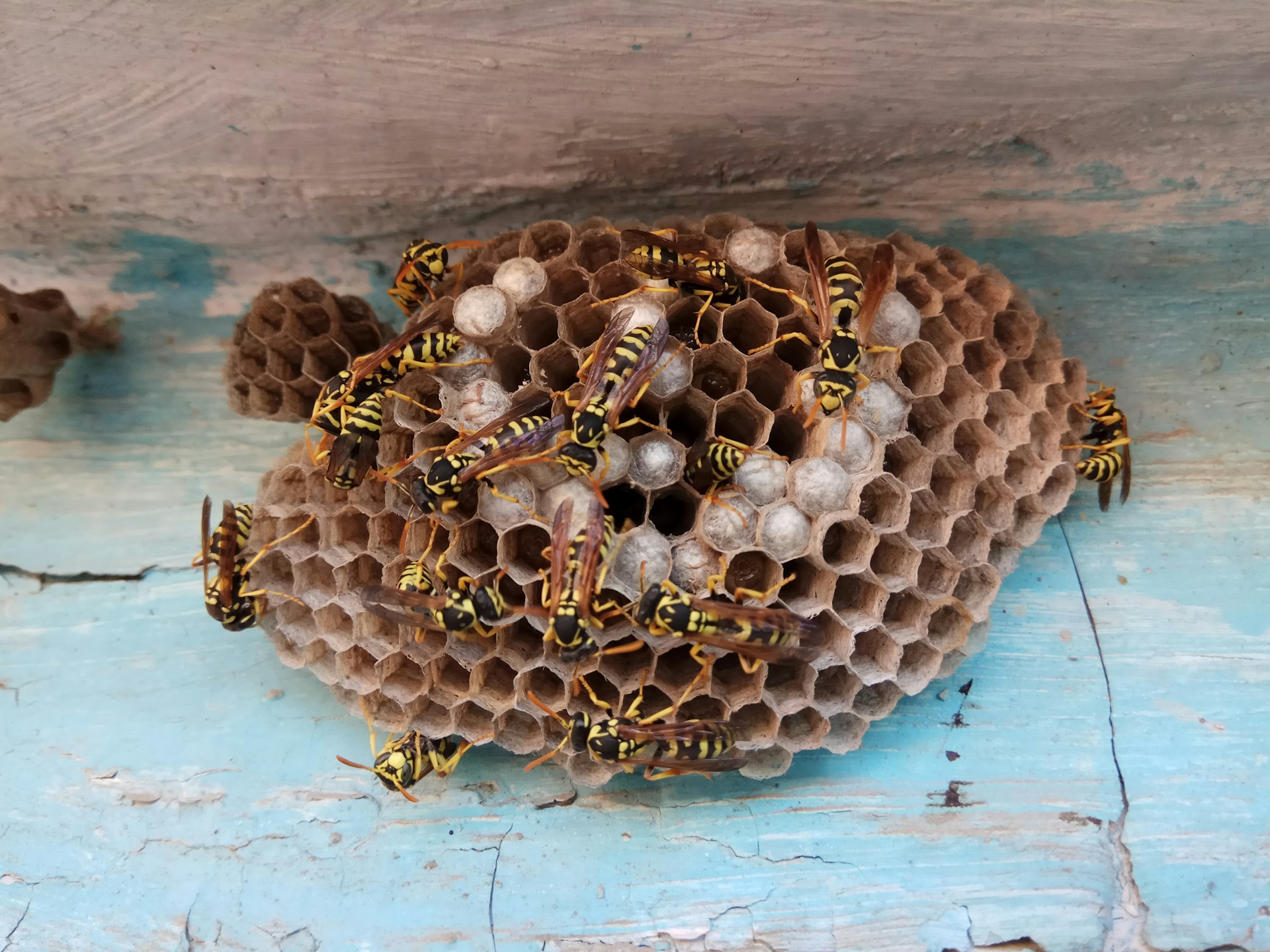
Small talk acts like social glue – here’s how to get better at it
Maybe think of small talk as a technology: a human invention for accomplishing social goals.

Opinion | Stop Googling. Let’s Talk. (Published 2015)
What have we done to face-to-face conversation?

What we (don’t) talk about when we talk about AI
Everybody’s talking about it; everybody’s tired of talking about it. Why aren’t we making more progress in the discussion?
The Conversation: In-depth analysis, research, news and ideas from leading academics and researchers.
Curated by professional editors, The Conversation offers informed commentary and debate on the issues affecting our world. Plus a Plain English guide to the latest developments and discoveries from the university and research sector.
How to turn small talk into smart conversation
Tips from a comedian and a journalist on the art of going from small talk to big ideas. Try these out at the next summer wedding reception.
Another Symptom of Growing Isolation
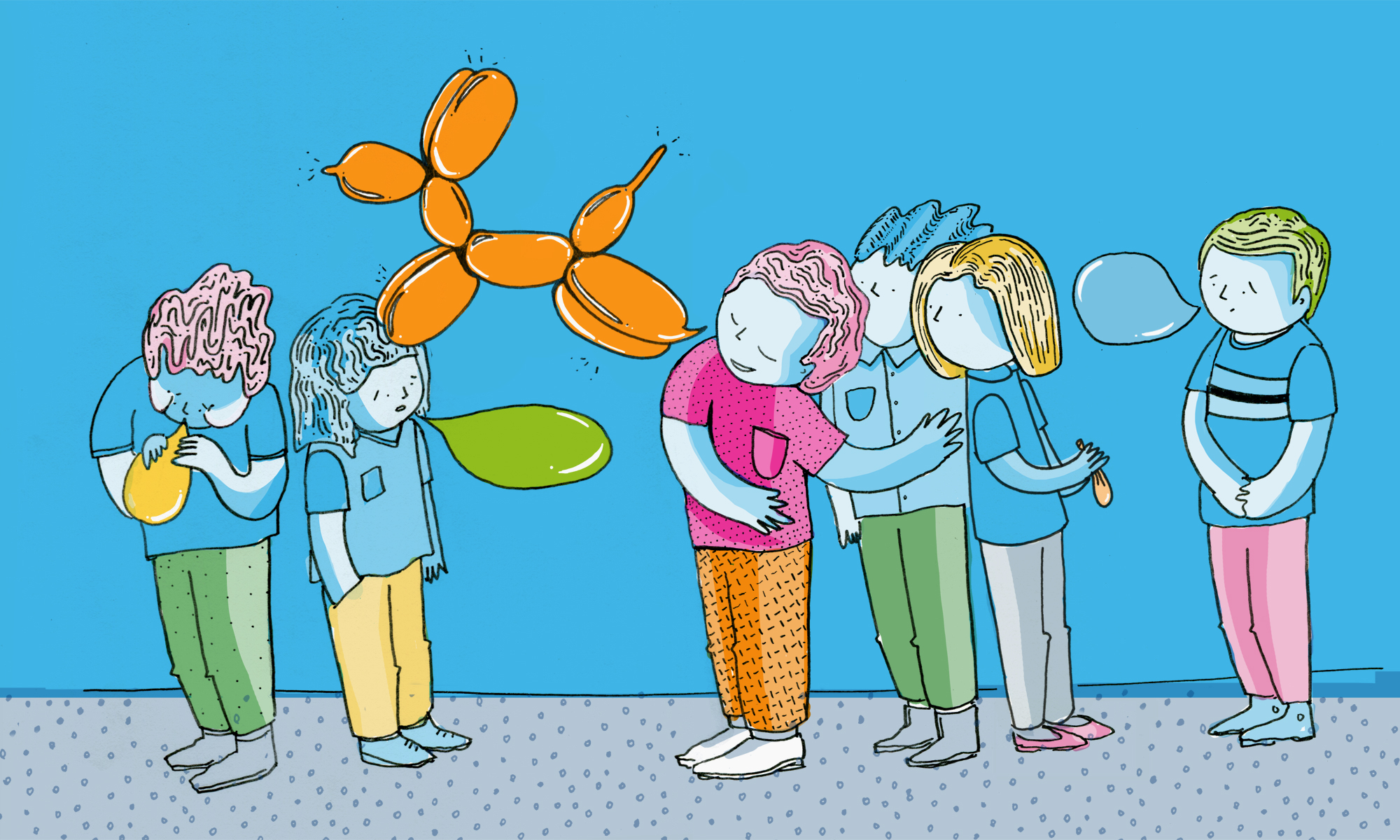
A recent study found that people spoke fewer words a day in 2019 than in 2005.
Breaking the silence
Research on science communication has largely focused on teaching scientists how to describe their studies in ways that interest the public while deepening their understanding of scientific exploration. However, there is another, often overlooked side to science communication—how scientists respond when questions arise about the integrity of their research. Often, the tendency has been to stay silent and wait for any controversy to pass or be resolved in professional forums. But in an age of growing, intense attacks on science, silence can be detrimental to both public trust and the careers of scientists who are under scrutiny. For better or worse, journalists, social media professionals, and the public may take a response of “no comment” as a concession that the critics are correct, so forthright communication about research questions is more urgent than ever.

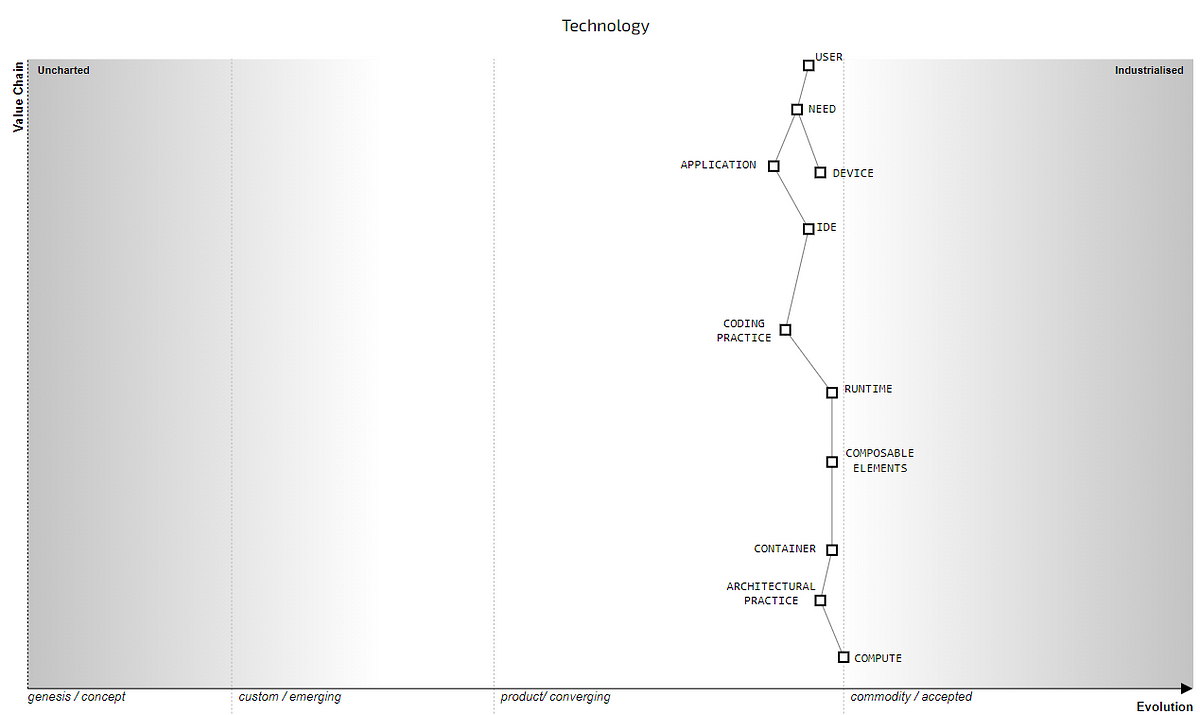
Why the fuss about conversational programming?
First, there isn’t much fuss … yet. But there will be.
Misplaced Divides? Discussing Political Disagreement With Strangers Can Be Unexpectedly Positive
Differences of opinion between people are common in everyday life, but discussing those differences openly in conversation may be unnecessarily rare. We report three experiments ( N = 1,264 U.S.-based adults) demonstrating that people’s interest in discussing important but potentially divisive topics is guided by their expectations about how positively the conversation will unfold, leaving them more interested in having a conversation with someone who agrees versus disagrees with them. People’s expectations about their conversations, however, were systematically miscalibrated such that people underestimated how positive these conversations would be—especially in cases of disagreement. Miscalibrated expectations stemmed from underestimating the degree of common ground that would emerge in conversation and from failing to appreciate the power of social forces in conversation that create social connection. Misunderstanding the outcomes of conversation could lead people to avoid discussing disagreements more often, creating a misplaced barrier to learning, social connection, free inquiry, and free expression.

Scholarly Communication Is a Research Problem. This Means You.
Scholarly Communication Is a Research Problem.

When moving fast, talking is the first thing to break
When you make speed and “moving fast” the biggest priority on a project or in an organization, the first thing to breakdown is talking to each other. Talking takes time. Consensus is expensive and slow. In a pressurized environment there’s no time to schedule calls, get input from subject matter experts, or resolve key differences of opinion. ASAP makes a big assumption that all relevant parties are already in the room.
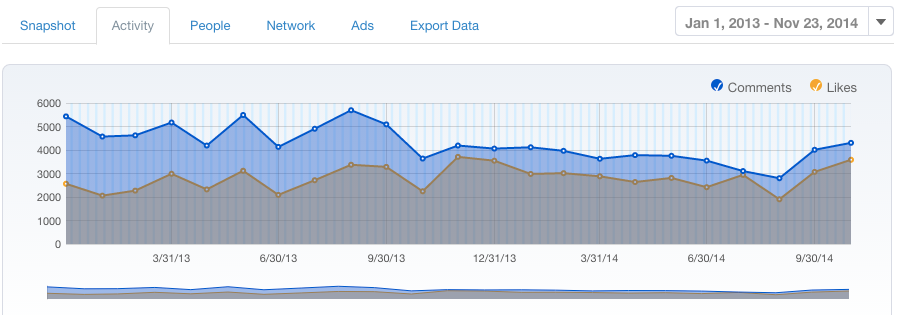
Comments Are Dead, Long Live Comments - AVC
Yet another mainstream media site took down comments this week. In the post explaining the move, Walt Mossberg and Kara Swisher explained that “as social media has continued its robust growth, the bulk of discussion of our stories is increasingly taking place there, making onsite comments less and less used and less and less useful.” […]
“Nothing Is Ever Over” - AT Protocol
Writer, speaker, and researcher Erin Kissane joins Jim to trace how the social internet got here, what’s worth salvaging, and how we can do better by listening to people.
From Space, to Time
This post is the text version of a talk I’ve been giving at several conferences (and I plan to give it a couple more times). I have spent many years observing and building things on the web and this is one of the main trends I’ve been…
Measuring The Health of Our Public Conversations - Cortico
By Deb Roy, Eugene Yi, Russell Stevens Published: March 1, 2018 The Internet and social media have transformed modern society in many positive ways by connecting us to the world’s information, enabling social connections that transcend space and time, and giving everyone a voice. Within this transformation, social media have become an essential part of
Opportunity for some atproto talks to spread the word about what we’re building in the Atmosphere. Perhaps a @eurosky.social talk?

Maria Farrell
FYI #OpenSource friends: call for papers for Luxembourg's October OS conference. Proposals for 20 min talks are due late August. This makes 2 years I've not been able to go, so, vicariously, please consider it! It's especially strong on OS for sovereignty, gov, AI, and, this year, edtech.
