


An elegant middle finger to the putrefying swamps of the internet
The Alt-Right Playbook: How to Radicalize a Normie
The Alt-Right Playbook: How to Radicalize a Normie
The Antiquity to Alt-Right Pipeline — Working Classicists
If it seems like the alt-right are filling social media with their bile, this piece will at least confirm that for you.

‘It’s frightening’: How far right is infiltrating everyday culture
Extremist messaging now woven into music and YouTube videos, with one expert saying: ‘You can be radicalised sitting on your couch’

The rise of YouTube’s reactionary right
How demographic change and YouTube’s algorithms are building a new right.

How Social Media Tricks our Brains — and Destroys our Politics - Aaron Ross Powell's Blog
Social Media Vs Democracy
The Trump Assassination Attempt Meets the Internet’s Brain-Rot Era
Today’s social platforms can instantly convert even the most harrowing news events into misleading tidbits and gleefully empty jokes.

How Bronze Age Pervert Built an Online Following and Injected Anti-Democracy, Pro-Men Ideas Into the GOP
A modern story of shitposting, self-publishing and how an anonymous persona can help your ideas take off — and take root at the highest levels.

Web Browsers, AI, and the Politics of Media Power
The left keeps building media strategies on top of platforms built to undermine them. As browsers are rebuilt for mass surveillance and manipulation, the systems that decide what people see and who gets heard are being rewritten without us. Control over the browser is control over political reality.

The Alt-Right Playbook
Annotate the World — Real Life
Marginalia, like Twitter, provide a mortifying window to the self

Your intellectual fly is open | The Observation Deck
Note: This was originally published as a LinkedIn post on November 11, 2025. I need to make a painful confession: somehow, LinkedIn has become an important social network to me. This isn’t necessarily due to LinkedIn’s sparkling competence, of course. To the contrary, LinkedIn is the Gerald Ford of social networks: the normal one that was left standing as the Richard Nixons and the Spiro Agnews of social media imploded around them. As with Gerald Ford, with LinkedIn we know that we’re getting something a bit clumsy and boring, but (as with post-Watergate America!), we’re also getting something that isn’t totally crooked — and that’s actually a bit of a relief.
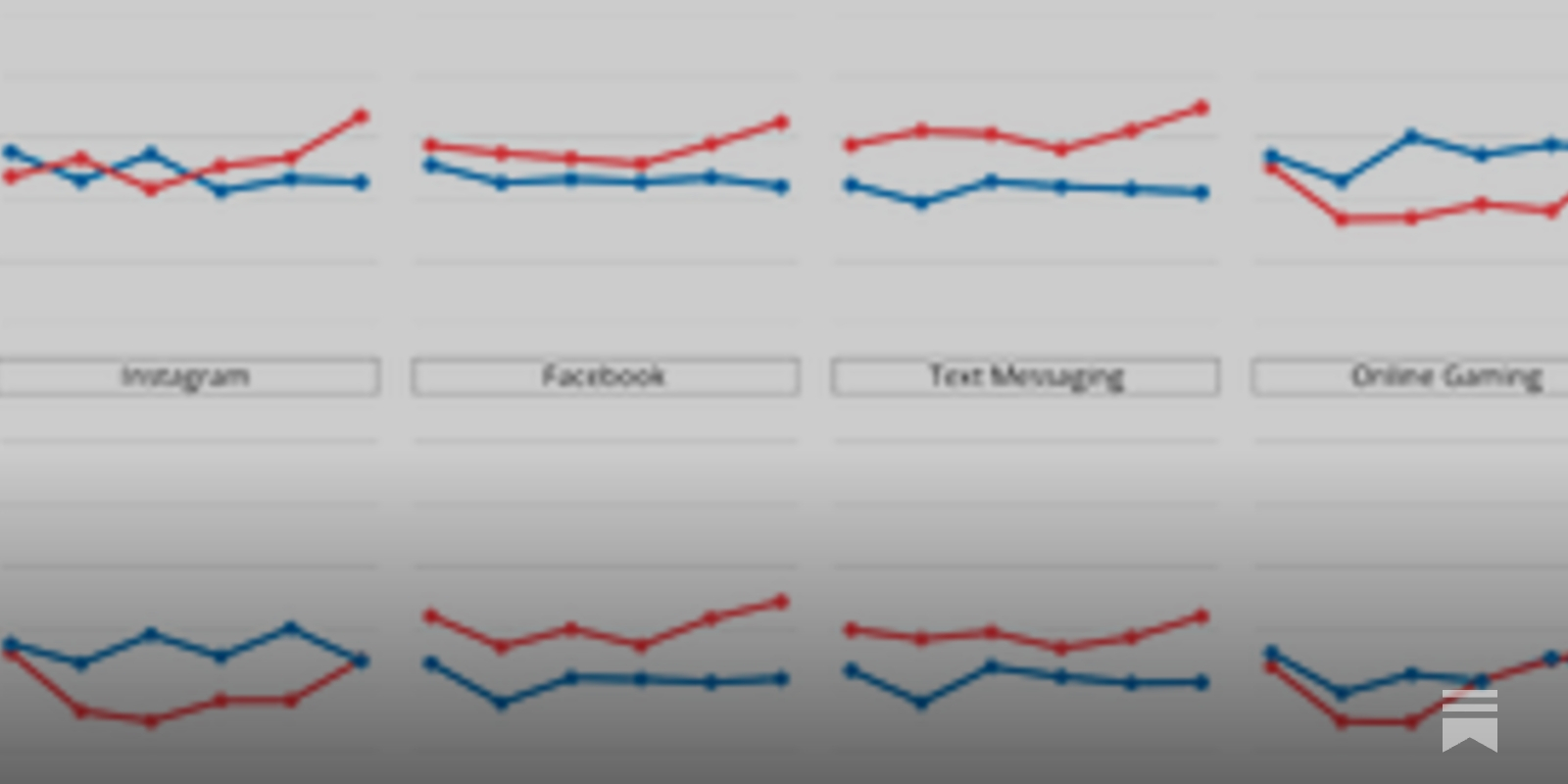
Social Media and Politics from 2023-2025
I examine the political identities, extremity, and polarization of US adults across platforms over a 2-year national survey.
Internet for the People: The Fight for Our Digital Future
"For all the informational convenience the internet offers, it is deeply flawed. How can it be improved? Writer Ben Tarnoff proposes one possibility in this intriguing book, which urges the development of 'a public lane on the information superhighway.' It's worth checking out for yourself." – Seth MacFarlane Why is the internet so broken, and what could ever possibly fix it? In Internet for the People, leading tech writer Ben Tarnoff offers an answer. The internet is broken, he argues, because it is owned by private firms and run for profit. Google annihilates your privacy and Facebook amplifies right-wing propaganda because it is profitable to do so. But the internet wasn't always like this—it had to be remade for the purposes of profit maximization, through a years-long process of privatization that turned a small research network into a powerhouse of global capitalism. Tarnoff tells the story of the privatization that made the modern internet, and which set in motion the crises that consume it today. The solution to those crises is straightforward: deprivatize the internet. Deprivatization aims at creating an internet where people, and not profit, rule. It calls for shrinking the space of the market and diminishing the power of the profit motive. It calls for abolishing the walled gardens of Google, Facebook, and the other giants that dominate our digital lives and developing publicly and cooperatively owned alternatives that encode real democratic control. To build a better internet, we need to change how it is owned and organized. Not with an eye towards making markets work better, but towards making them less dominant. Not in order to create a more competitive or more rule-bound version of privatization, but to overturn it. Otherwise, a small number of executives and investors will continue to make choices on everyone’s behalf, and these choices will remain tightly bound by the demands of the market. It's time to demand an internet by, and for, the people now.