


Rejoice, website owners.
Google’s AI search changes upended online publishing
Some publishers are preparing for a future without Google.

Google Was a Lifeline for Publishers. Now Some Are Thinking of Cutting It Off.
Reddit, Politico and others are weighing how—or even if—they can work with the tech company as AI tools supplant traditional searches.

Google Was a Lifeline for Publishers. Now Some Are Thinking of Cutting It Off.
Reddit, Politico and others are weighing how—or even if—they can work with the tech company as AI tools supplant traditional searches.
Once Unimaginable, Publishers Are Preparing to Opt Out of Google Search
The nuclear option is gaining traction as web traffic collapses and Google refuses to negotiate with content creators

AI Mode is obviously the future of Google Search
The internet’s biggest search engine is going to be unrecognizable in just a few years.

Meta seeks to scrape news content for AI training without permission | Angela Mills Wade posted on the topic | LinkedIn
Meta’s message to publishers: let us scrape your journalism for AI, or stop using our platforms. In the very week that News Media Coalition launched their Primary Source Journalism Framework we get another extraordinary example of how dominant digital platforms are attempting to turn their market power into permission to appropriate the content of others. For free. As reported by Nieman Journalism Lab, Meta’s new commercial terms, effective 30 October, purport to authorise the company to scrape websites associated with business accounts, including news publishers, and use that content to train its products. No negotiated licence. No meaningful choice. Just acceptance by continued use of Meta’s services. And the implications go further. The terms even contemplate creating test credentials to access websites, raising serious questions about publishers’ ability to control access to their own content. Meta argues that publishers can still use robots.txt to restrict crawling but this is no safeguard to protect primary source journalism as such sweeping ‘contractual’ permissions could undermine publishers rights reservations. This is becoming a familiar pattern. Google effectively ties visibility in Search to the use of publishers’ content in its AI services. Now Meta appears to be seeking similarly expansive rights through its commercial terms. This is not consent freely given. It is an attempt to leverage platform dependency to extract valuable intellectual property without negotiation or remuneration. European copyright law gives publishers rights over their content, including the right to reserve it from text and data mining. Those rights must not be circumvented through take-it-or-leave-it contractual conditions imposed by powerful gatekeepers. The European Commission and competition authorities should scrutinise these terms urgently, including their implications for copyright, contractual fairness and abuse of market power. Publishers must retain the right to decide whether, how and on what terms their journalism is used by AI companies. Opt-in, not opt-out. Licensing, not appropriation. Henna Virkkunen Teresa Ribera #Copyright #AI #PrimarySourceJournalism #MediaPluralism #Competition #Publishers #BadBots | 23 comments on LinkedIn

The Technical Feasibility of Divesting Google Chrome – Knight-Georgetown Institute
As the European Commission advances efforts under the Digital Markets Act to require Google to share its search data with competitors, lessons from historic antitrust remedies underscore how data access could be transformational in the AI-powered search market. While the Commission’s proposals represent a novel and comprehensive approach, key improvements to data scope and sharing frequency, privacy protections, and dispute resolution are needed. US courts and enforcers charged with implementing similar provisions should take note.

Google swears it isn’t destroying the web with AI search
Changes to Search have sent ripples across the media industry.

Nobody needs AI to search the Internet, court says in ruling against Google
Google AI Overview court loss in Germany could spell doom for AI search industry.
'Devastating' potential impact of Google AI Overviews on publisher visibility revealed
Google AI Overviews: Exclusive Press Gazette research reveals impact of AI-generated search on publisher visibility and Google traffic.
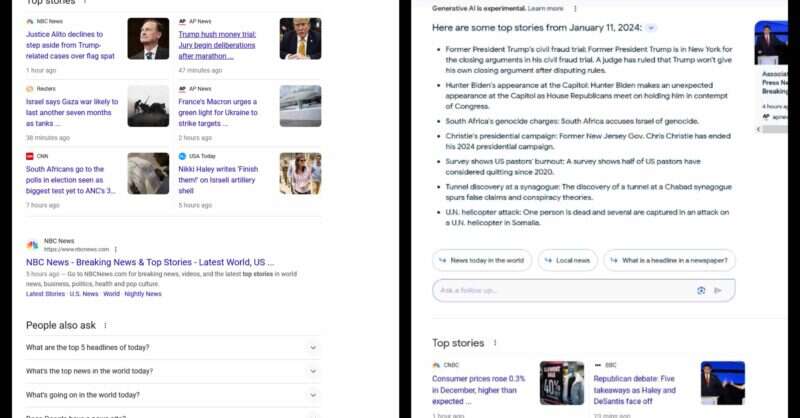
Google Is Building an A.I. Fence Around the Internet It Once Championed
As Google incorporates more artificial intelligence into search, people are spending more time on Google. Some website operators are crying foul.

Google Is Building an A.I. Fence Around the Internet It Once Championed
As Google incorporates more artificial intelligence into search, people are spending more time on Google. Some website operators are crying foul.
Google is its own worst enemy
In its bid to push AI, it’s destroying its products and trying to kill the web too
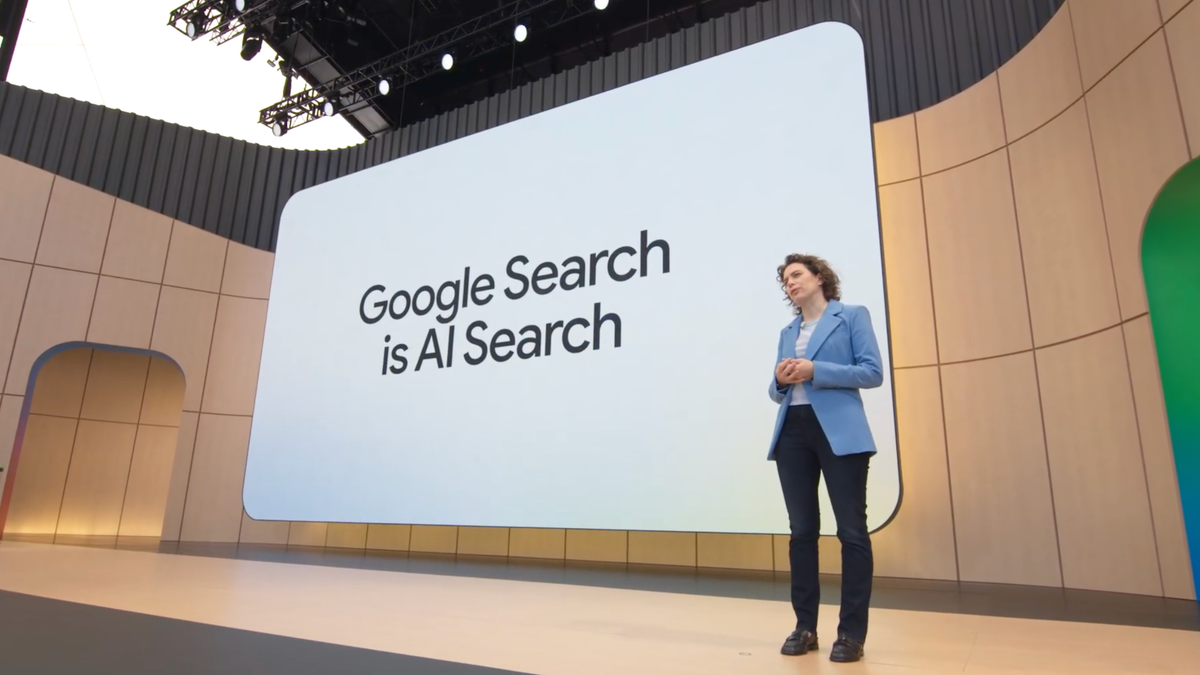
The hidden cost of Google's AI defaults and the illusion of choice
Google says it respects user privacy in AI, but the reality is not so black and white.

Google fends off news publishers' antitrust lawsuit over online search
Alphabet's Google won a ruling dismissing a lawsuit that accused the tech giant of monopolizing the U.S. online news market and exploiting its dominance in search to extract publishers' content without payment.

Landmark German ruling declares Google's AI Overviews are Google's own words and makes it liable for false answers
A German regional court has ruled that Google is directly liable for the content of its AI search overviews. According to the court, previous limited liability protections for search engine operators don't apply to AI overviews. In this case, Google's AI had falsely linked two publishers to fraud and made claims that didn't appear in any of the linked sources. The ruling could set a precedent for AI-generated content liability worldwide.
