


A new twist on content authentication.
Apple Reference Image: A New Approach for Verified Photography - Apple Security Research
Introducing Apple Reference Image, a new solution for verifiable photography on iPhone. This new, opt-in camera mode lets a photographer create a securely timestamped reference image that accurately depicts what was captured by the iPhone's camera sensor. Apple Reference Image offers a trustworthy, scalable guarantee that a reference image is what it claims to be: a real photograph, captured by a real sensor in an iPhone camera, at a specific period in time.

What’s up with this 'Apple Reference Image' rumor?
A new feature possibly coming in iOS 27 can make it possible to prove an iPhone photo is real, but it's probably not for everyday people.

Meta Now Lets Anyone Use Your Instagram Photos in AI Images—Unless You Opt Out
As part of Meta’s Muse Image model rollout, Instagram users with public accounts need to opt out to block AI generations of their content.

Regarding the iOS 17.5 Photo Glitch;
526 votes, 214 comments. Hello everybody, I may or may not know somebody who is a Private Contractor @ Apple, and they may have or may not have given…
We Melted iPhones for Science
OASIS generated real-time video with on-device AI. Four years later, Apple redesigned the iPhone so that AI won't burn your hand -- and admitted that we were right.

This App Warns You if Someone Is Wearing Smart Glasses Nearby
The creator of Nearby Glasses made the app after reading 404 Media's coverage of how people are using Meta's Ray-Bans smartglasses to film people without their knowledge or consent. “I consider it to be a tiny part of resistance against surveillance tech.”

It's all a blur
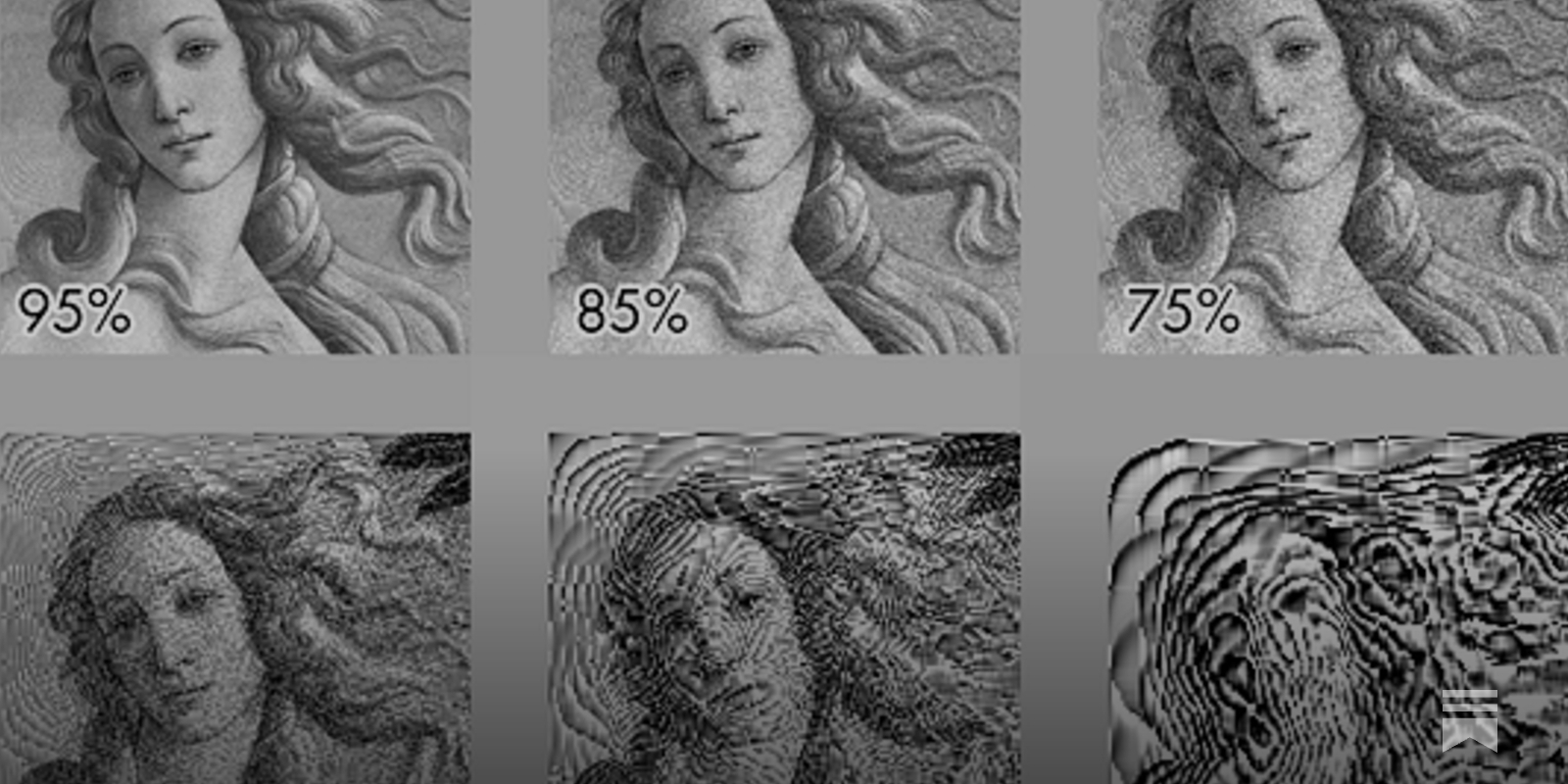
If you follow information security discussions on the internet, you might have heard that blurring an image is not a good way of redacting its contents.
Meta glasses captured and shared intimate images without users' consent, lawsuit claims
People who use Meta's smart glasses or were recorded with the gadget are worried about how the social media giant is using their photos and videos.
People are trying to claim real videos are deepfakes. The courts are not amused
The unleashing of powerful, generative AI on the public is raising concerns that as the technology becomes more prevalent, it will become easier to claim that anything is fake.
Researcher reveals evidence of private Instagram profiles leaking photos
A researcher has released detailed evidence showing some Instagram private accounts exposed photo links to unauthenticated visitors. The issue was later fixed, but Meta closed the report as not applicable and did not respond to multiple requests for comment.
Astral's Blog
On July 8, Anthropic's updated privacy policy takes effect. Users flagged for potential policy violations will be required to upload a government ID, a selfie or video, and a face geometry template — biometric data processed through Persona, a third-party identity verification company backed by Founders Fund.
Google Gemini is getting better at identifying AI fakes
Hey Gemini, is this image AI?

Identifying AI-generated images with SynthID
Today, in partnership with Google Cloud, we’re beta launching SynthID, a new tool for watermarking and identifying AI-generated images. It’s being released to a limited number of Vertex AI customers using Imagen, one of our latest text-to-image models that uses input text to create photorealistic images. This technology embeds a digital watermark directly into the pixels of an image, making it imperceptible to the human eye, but detectable for identification. While generative AI can unlock huge creative potential, it also presents new risks, like creators spreading false information — both intentionally or unintentionally. Being able to identify AI-generated content is critical to empowering people with knowledge of when they’re interacting with generated media, and for helping prevent the spread of misinformation.

