

Progressive experiments exploring decentralized software technologies for privacy adoption at scale.
The Decentralized Internet Is Here, With Some Glitches
Privacy advocates and venture capitalists want to circumvent the tech giants with apps using encrypted data stored on networks of computers.
How do we pay for privacy?
If you haven’t read Julia Angwin’s excellent profile of GnuPG’s lead developer Werner Koch, now would be a great time to check it out. Koch, who single-handedly wrote GnuPG in 1…

A data minimization model for embedding privacy into software systems
Modern software systems (social networking, banking and shopping applications) are becoming increasingly dependent on our data. These systems need data to provide various economic and social benefits to users as well as businesses. However, the extensive use of personal data in systems poses a threat to user privacy. Therefore, privacy laws expect software systems to practice Data Minimization (DM), to minimize data in software systems. This has put software developers in a dilemma to minimize user data to provide user privacy and maximize user data for enhanced system functionality. Following the design science research approach, in this research we propose and evaluate a methodology that enables developers to make their decisions to minimize user data in software systems through understanding data. The methodology encourage developers to think of the ways they would use data in a system design focusing on the storage and sharing of data. Developers in the three experiments conducted to evaluate the methodology agreed that it enables them to think of the ways they use data in system designs and it helps them to make decisions to minimize using data in a system design. Developers also showed positive intention to use the proposed methodology within system development activities.
VaultGemma: The world's most capable differentially private LLM
Amer Sinha, Software Engineer, and Ryan McKenna, Research Scientist, Google Research

15 Open-Source Tools for Digital Sovereignty (2026) | Comparisons & Alternatives | Vucense
Own your digital stack. The 15 best open-source tools for privacy, security, and full control over your data — reviewed and ranked for 2026.
Measuring the Privacy Experience
How do you know that a product respects your privacy – other than by wading through the fine print? We’ve created a framework to measure the way people actually experience privacy in tech products.
Properties of the Tech We Really Need - Draft
There are some crucial areas where computer technology needs major improvement to genuinely benefit users. Unfortunately, most are not feasible to pursue using current generation software technologies. No mere collection of apps would suffice. An architectural solution is needed to move forward. This has been the goal of my research into infocentric data and software architecture, a superset of "decentralized" and cryptography-oriented designs.
Decentralizability
What makes software decentralizable? Immutable data, universal IDs, user-controlled keys.

Private data: developing a rubric for success - Paul's Leaflets
What will an effective solution look like?
privacy - bad examples

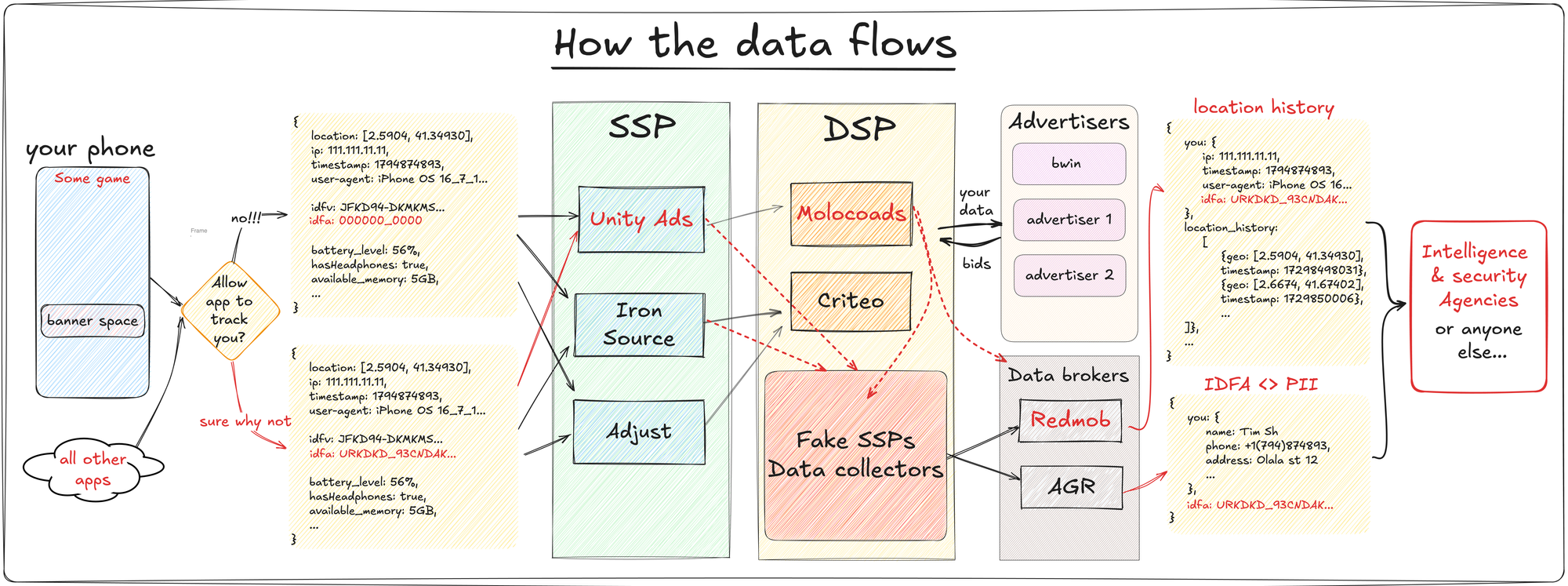
Everyone knows your location