


A TODAY investigation found that medical scams using AI deepfake videos to sell ineffective products are on the rise. Here's how to protect yourself from scammers online.
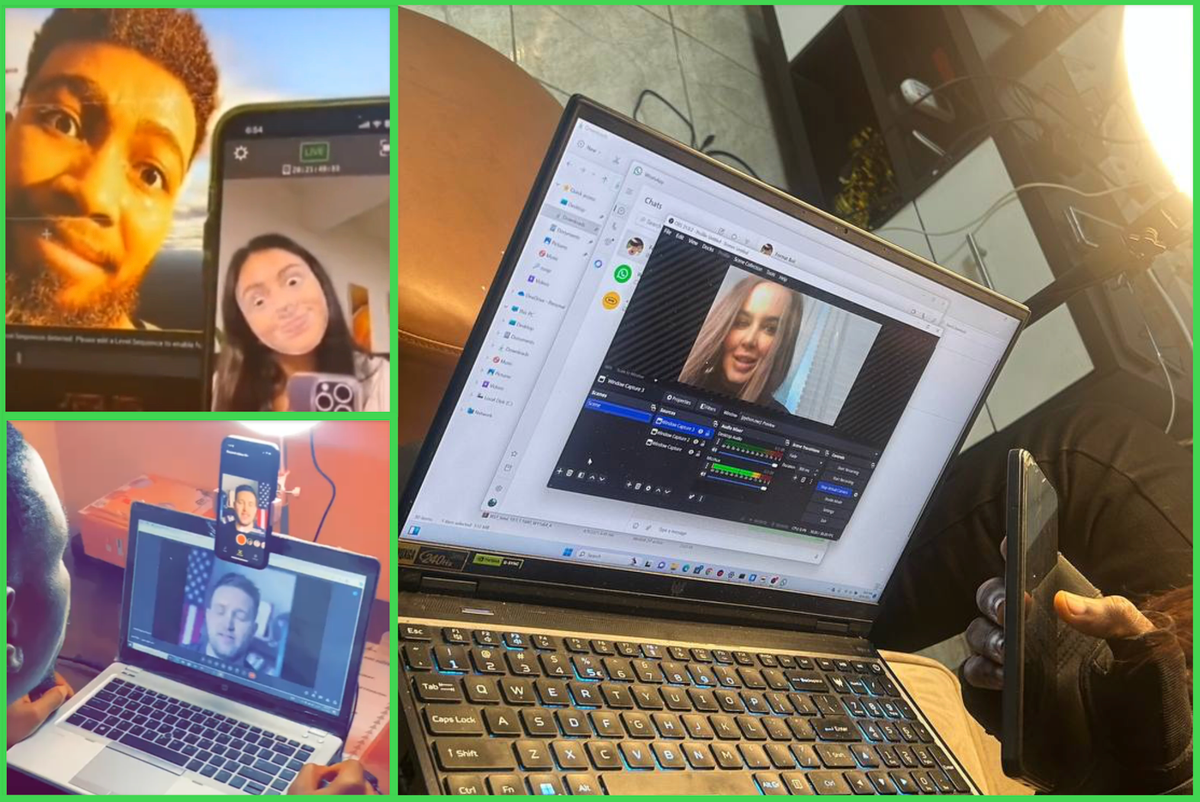
The Age of Realtime Deepfake Fraud Is Here
Fraudsters are able to change their race, facial hair, voice, and more during live video calls with very little effort. Scammers are already fooling the elderly and verification systems.
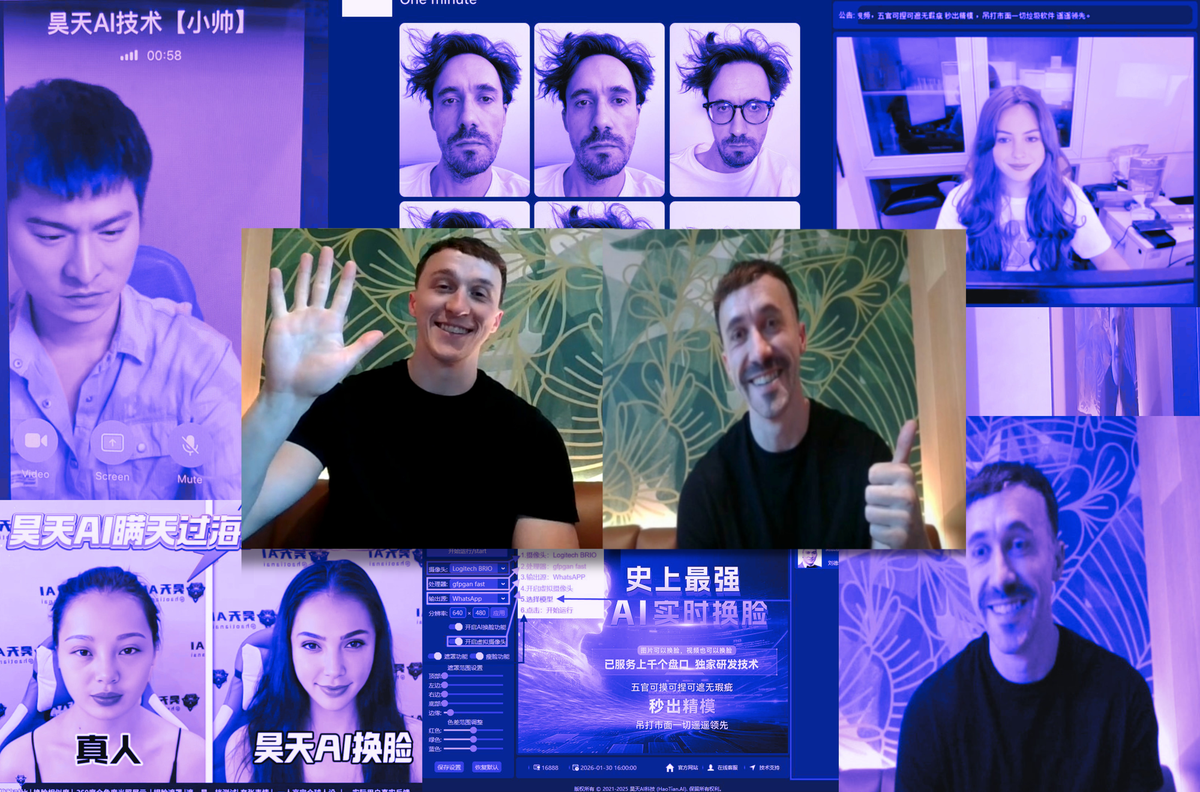
‘HELLO BOSS’: Inside the Chinese Realtime Deepfake Software Powering Scams Around the World
404 Media has obtained a copy of ‘Haotian AI’, a popular piece of realtime deepfake software marketed to scammers. It can turn a fraudster's face into anyone else's on WhatsApp, Zoom, and Teams.
Deepfakes, Scams, and the Age of Paranoia
As AI-driven fraud becomes increasingly common, more people feel the need to verify every interaction they have online.
Haotian AI : Providing Deepfake AI For Scam Bosses - Frank on Fraud
An advertisement for Haotian AI, a company that provides face-changing software on Telegram, shows they mean business. “We have an R&D team of hundreds of programmers and dozens of servers to serve you.” The braggy advertisement, which just might be directed at Pig Butchering bosses running scam compounds in Southeast Asia, reveals the extent of […]

People are trying to claim real videos are deepfakes. The courts are not amused
The unleashing of powerful, generative AI on the public is raising concerns that as the technology becomes more prevalent, it will become easier to claim that anything is fake.
The $11 Billion Marketplace Enabling the Crypto Scam Economy
Deepfake scam services. Victim data. Electrified shackles for human trafficking. Crypto tracing firm Elliptic found all were available for sale on an online marketplace linked to Cambodia’s ruling family.

Deep Fakes: A Looming Challenge for Privacy, Democracy, and National Security — California Law Review
Harmful lies are nothing new. But the ability to distort reality has taken an exponential leap forward with “deep fake” technology. This capability makes it possible to create audio and video of real people saying and doing things they never said or did. Machine learning techniques are escalating th

Deep Fakes: A Looming Challenge for Privacy
<p>Harmful lies are nothing new. But the ability to distort reality has taken an exponential leap forward with “deep fake” technology. This capability makes it possible to create audio and video of real people saying and doing things they never said or did. Machine learning techniques are escalating the technology’s sophistication, making deep fakes ever more realistic and increasingly resistant to detection. Deep-fake technology has characteristics that enable rapid and widespread diffusion, putting it into the hands of both sophisticated and unsophisticated actors.</p><p>While deep-fake technology will bring certain benefits, it also will introduce many harms. The marketplace of ideas already suffers from truth decay as our networked information environment interacts in toxic ways with our cognitive biases. Deep fakes will exacerbate this problem significantly. Individuals and businesses will face novel forms of exploitation, intimidation, and personal sabotage. The risks to our democracy and to national security are profound as well.</p><p>Our aim is to provide the first in-depth assessment of the causes and consequences of this disruptive technological change, and to explore the existing and potential tools for responding to it. We survey a broad array of responses, including: the role of technological solutions; criminal penalties, civil liability, and regulatory action; military and covert-action responses; economic sanctions; and market developments. We cover the waterfront from immunities to immutable authentication trails, offering recommendations to improve law and policy and anticipating the pitfalls embedded in various solutions.</p>
Deep Fakes: A Looming Challenge for Privacy
<p>Harmful lies are nothing new. But the ability to distort reality has taken an exponential leap forward with “deep fake” technology. This capability makes it possible to create audio and video of real people saying and doing things they never said or did. Machine learning techniques are escalating the technology’s sophistication, making deep fakes ever more realistic and increasingly resistant to detection. Deep-fake technology has characteristics that enable rapid and widespread diffusion, putting it into the hands of both sophisticated and unsophisticated actors.</p><p>While deep-fake technology will bring certain benefits, it also will introduce many harms. The marketplace of ideas already suffers from truth decay as our networked information environment interacts in toxic ways with our cognitive biases. Deep fakes will exacerbate this problem significantly. Individuals and businesses will face novel forms of exploitation, intimidation, and personal sabotage. The risks to our democracy and to national security are profound as well.</p><p>Our aim is to provide the first in-depth assessment of the causes and consequences of this disruptive technological change, and to explore the existing and potential tools for responding to it. We survey a broad array of responses, including: the role of technological solutions; criminal penalties, civil liability, and regulatory action; military and covert-action responses; economic sanctions; and market developments. We cover the waterfront from immunities to immutable authentication trails, offering recommendations to improve law and policy and anticipating the pitfalls embedded in various solutions.</p>
An Indian politician says scandalous audio clips are AI deepfakes. We had them tested
Deepfake experts noted that AI can be used as a cover by politicians when embarrassing audio and video clips of them emerge.

The sexy AI-powered dating app scams are here
Thousands of people have been catfished by scammers supercharged with AI.

Meta’s “Trusted Experts” helped me run scam ads on Facebook and Instagram
A Reuters reporter created ads promising unrealistic investment returns and easily placed them on Meta's social media platforms.

How LLMs Are Recommending Scam Support Numbers
Threat actors are manipulating AI search results to push scam phone numbers. Here’s how the attack works.

AI company’s breached biometrics, ID document images make deepfake fraud easier | Biometric Update
Mercor, an AI company valued at $10B, has fallen victim of a major data breach which appears to include ID documents along with user face and voice biometrics.

Is AI Flooding Medical Journals With 'Meaningless' Research?
'It's not fraudulent, and it's not really slop,' one expert says

‘This Is Not Me’: Inside the AI Scams Driving Musicians Crazy
Indie artists are constantly finding AI-generated slop and direct impersonations on their streaming pages, and it's only getting worse.
