


Scholarship is a powerful tool for changing how people think, plan, and govern. By giving voice to bright minds and bold ideas, we seek to foster understanding and drive progressive change.
The Road to Resegregation by Alex Schafran - Paper
Scholarship is a powerful tool for changing how people think, plan, and govern. By giving voice to bright minds and bold ideas, we seek to foster understanding and drive progressive change.

No There There by Chris Rhomberg - Paper
Scholarship is a powerful tool for changing how people think, plan, and govern. By giving voice to bright minds and bold ideas, we seek to foster understanding and drive progressive change.

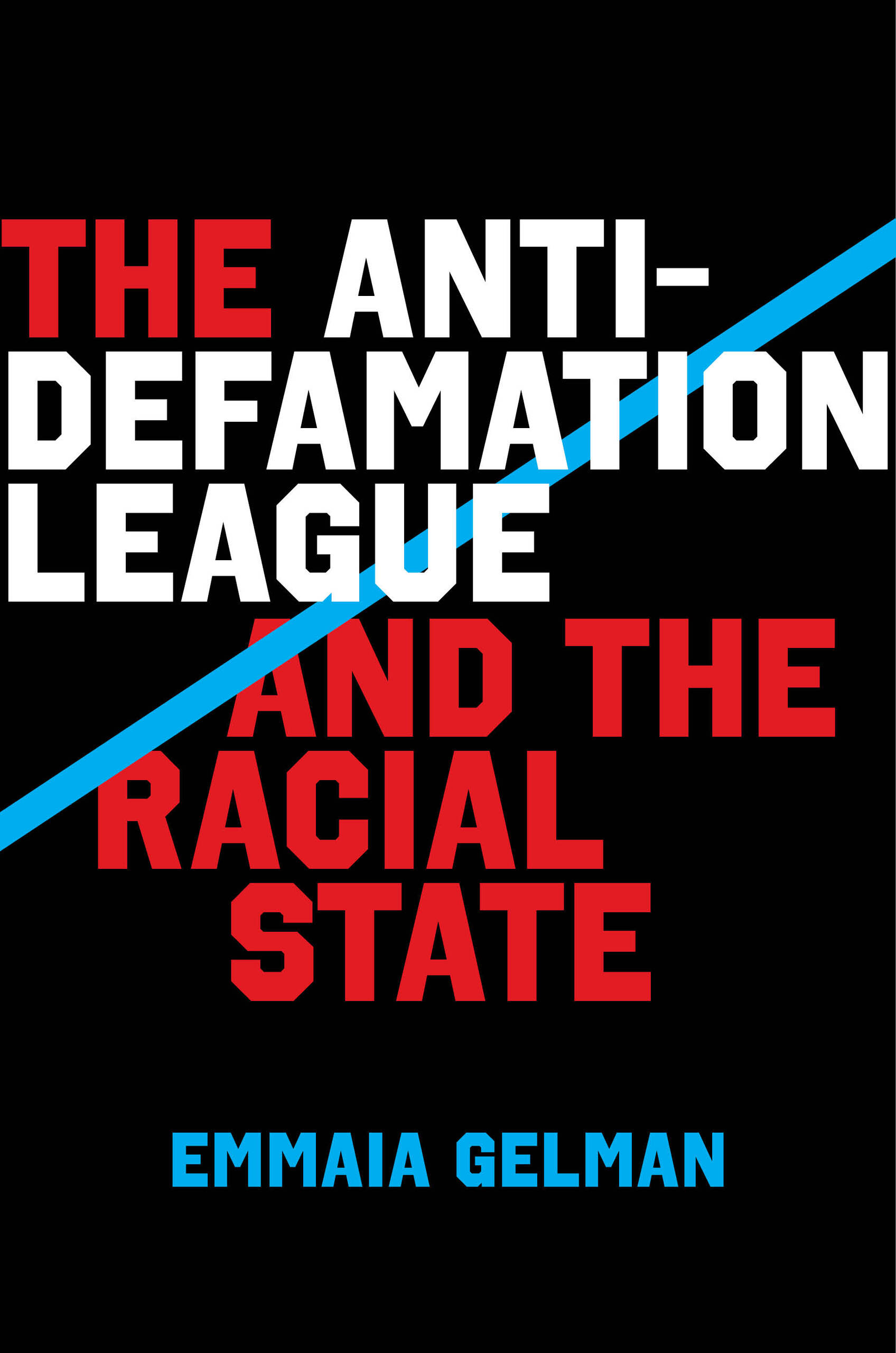
The Anti-Defamation League and the Racial State by Emmaia Gelman - Hardcover
Scholarship is a powerful tool for changing how people think, plan, and govern. By giving voice to bright minds and bold ideas, we seek to foster understanding and drive progressive change.
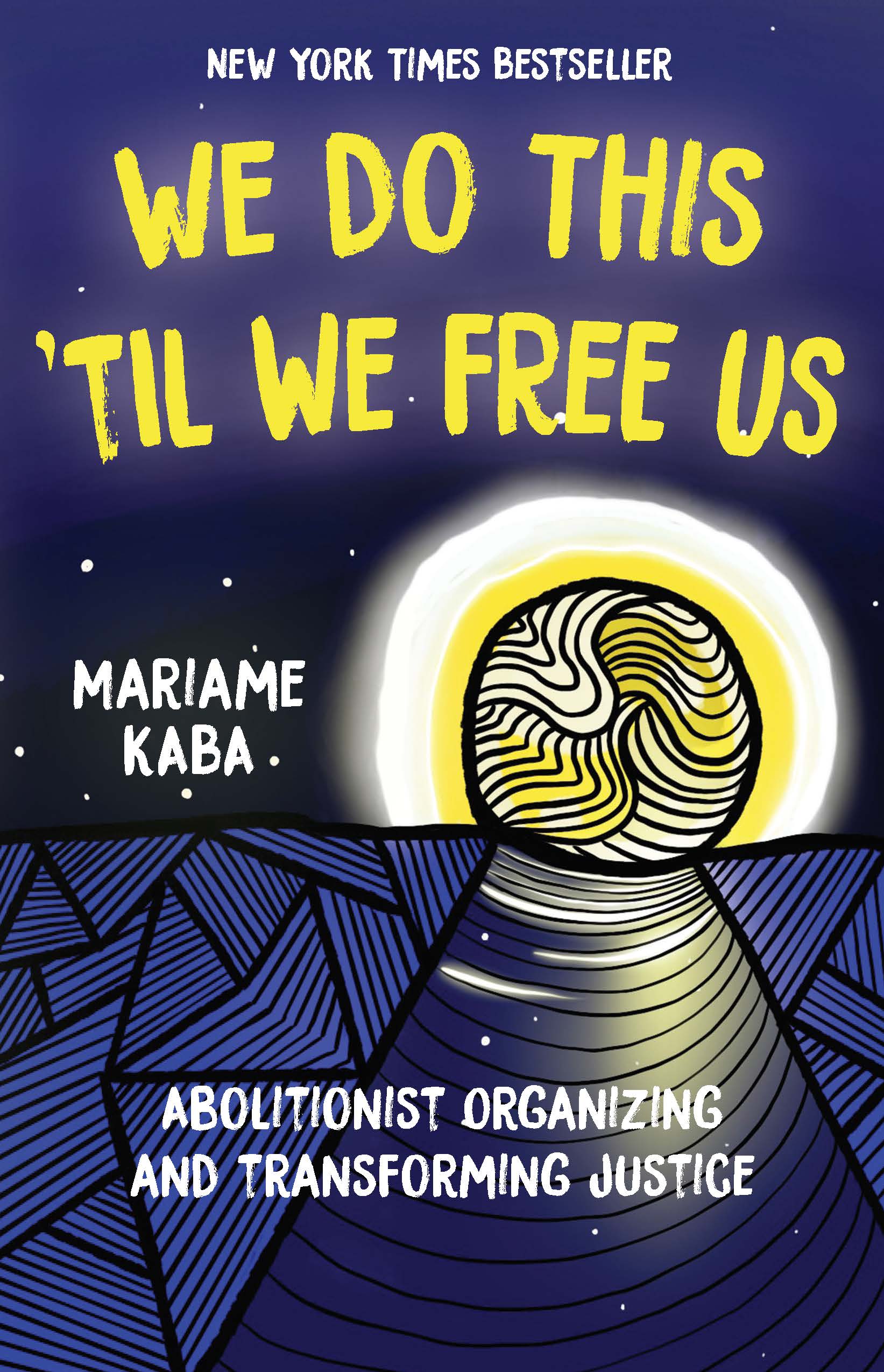
We Do This 'Til We Free Us
New York Times Bestseller “Organizing is both science and art. It is thinking through a vision, a strategy, and then figuring out who your targets are, always being concerned about power, always being concerned about how you’re going to actually build power in order to be able to push your issues, in order to be able to get the target to actually move in the way that you want to.” What if social transformation and liberation isn’t about waiting for someone else to come along and save us? What if ordinary people have the power to collectively free ourselves? In this timely collection of essays and interviews, Mariame Kaba reflects on the deep work of abolition and transformative political struggle. With a foreword by Naomi Murakawa and chapters on seeking justice beyond the punishment system, transforming how we deal with harm and accountability, and finding hope in collective struggle for abolition, Kaba’s work is deeply rooted in the relentless belief that we can fundamentally change the world. As Kaba writes, “Nothing that we do that is worthwhile is done alone.”
Radical expectations: how the New Left changed economics
In the 1970s radical economists campaigned to reform their discipline and their universities. They became journalists and activists, moving beyond academia, to forge new models of public engagement and collaborative knowledge in economic life. Radical Expectations tells the story of how these economists set out to make economics more democratic. It traces their campaign to bring protest movements to the campuses, triggering the emergence of an alternative understanding of expertise directed at validating and empowering the perspectives and voices of women, Black Americans, labor activists, and the urban poor. It shows how a radical identity formed and how radicals helped reform disciplinary institutions. Furthermore, it argues that the radical economics' legacy was the development of a language and models of expert-lay collaboration that empowers direct action in economic affairs. The book is about the community of radical economists who championed the promise of change and what came of it

Local Communities | The Paper Pilot
The Paper Pilot's digital garden of thoughts on philosophy, politics, and sociology
Leila | The Paper Pilot
The Paper Pilot's digital garden of thoughts on philosophy, politics, and sociology
Capture the Citadel | The Paper Pilot
The Paper Pilot's digital garden of thoughts on philosophy, politics, and sociology
My Political Journey | The Paper Pilot
The Paper Pilot's digital garden of thoughts on philosophy, politics, and sociology
The Times are Urgent: Let’s Slow Down • Writings – Bayo Akomolafe
An Open Letter to CONCORD-DEEEP, CIVICUS, GCAP, Civic Society Organizations and Activists Working for a ‘Better’ World. This article is co-authored by Bayo Akomolafe and Marta Benavides. With deep gratitude for the stories of transformation now emerging across the planet, and for the renewed hope we share for a different kind of world, we greet you from our hearts.

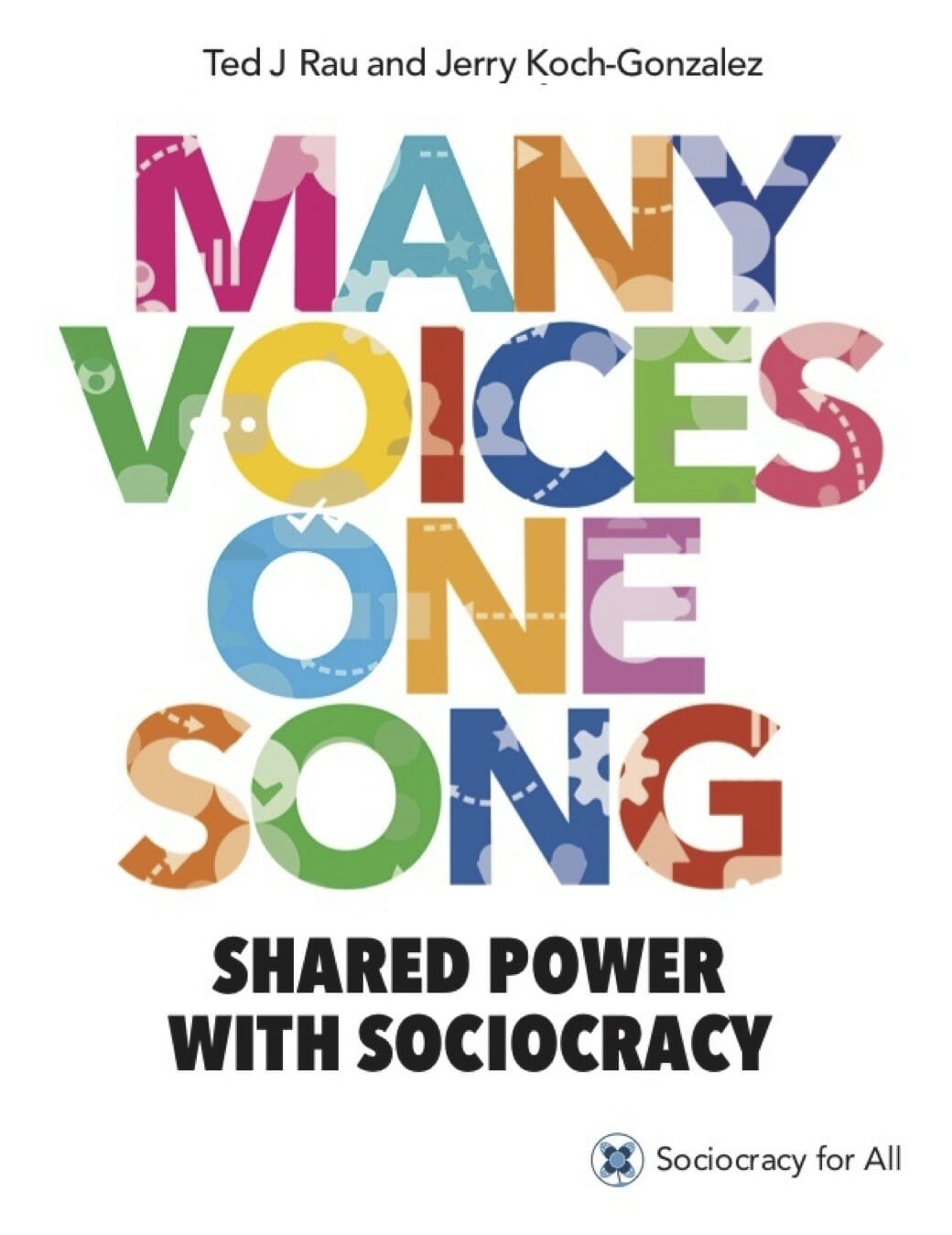
"Collective Power: Patterns for a Self-Organized Future by Ted J. Rau" [english edition] (ebook) - Sociocracy For All
by Ted Rau Preorder Ebook
NOW
The Paper Pilot's digital garden of thoughts on philosophy, politics, and sociology. Reading time: ~2 minute read | Published: Jun 15, 2024 | Updated: Aug 27, 2026

Making Community Governance Legible: A Semester with Bonfire
A collaboration with Princeton explores how Governance Cards can help communities explain how they organise, make decisions, and care for their shared spaces.

Community Wealth Building — Urban Affairs Review
Scholars of urban politics have long debated the issue of what cities can and should do to promote the economic well-being of their residents. As the of election Zohran Mamdani illustrates, urban residents are increasingly demanding that city governments do more to address the increasingly exorbitant costs of housing, childcare, and transportation. One obvious solution is to raise taxes on the private holders of wealth. By the same token, his election has prompted handwringing on the right about the “inevitable” flight of capital out of New York City. Scholarship that runs the gamut from the public choice school associated with the “city limits” perspective (Peterson 1981) through to Marxian accounts (Logan and Molotch 1987) all recognize that the private ownership of wealth and the mobility of capital puts cities in a bind, especially in a context of highly circumscribed levels of federal urban spending. Though several scholars (Logan and Swanstrom 1990; Kantor and Savitch 1993; Schragger 2016) have demonstrated that cities have greater latitude to promote egalitarian public policies than these perspective allow, few would argue that the deep structural problems of economic and social inequality can be fully resolved by tax-and-spend liberalism (Imbroscio 2010).

Robin Berjon


"For A Left Populism" by Chantal Mouffe Excellent first read of the year. A framework and a strategy for the change we need. If you're progressive and unsure of what to do, what politics should look like, this is a good short read to think it through