

Most people think AI is risky, but they don’t agree what to do next.
AI Researchers On AI Risk
I first became interested in AI risk back around 2007. At the time, most people’s response to the topic was “Haha, come back when anyone believes this besides random Internet crackpots.…

AI is now unpopular. That may not make a difference.
What it means that the AI research community can't quit twitter - rl-blogging
Some quickly jotted thoughts working through the implications
Nathan J Robinson on Twitter / X
the correct take on the AI risks. not "godlike machine that decides to kill us all" but "machine that makes it much easier for humans to kill one another." from the very sensible @timnitGebru in Wired: https://t.co/wM0ucsN2no pic.twitter.com/vtHQ02my0G— Nathan J Robinson (@NathanJRobinson) September 13, 2026

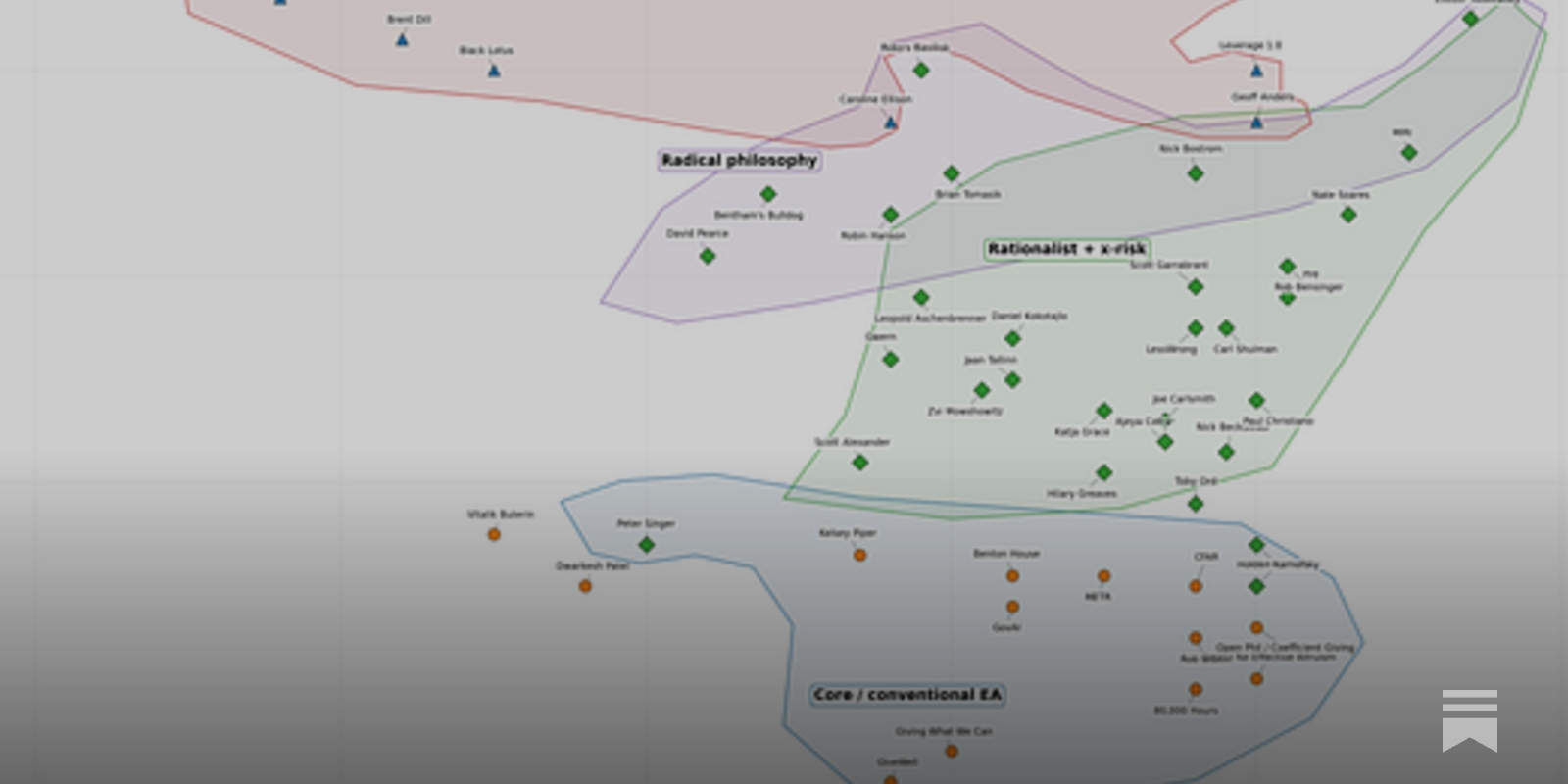
AI Safety Is a Narrative Problem · Special Issue 5: Grappling With the Generative AI Revolution
This op-ed explores power and narrative dynamics around AI. Drawing on pop-culture references, the professional experiences of the author and examples from 2023’s “Great AI Safety Hype Roadshow,” this piece draws on the literary criticism technique of practical criticism to consider how speeches and announcements from both Silicon Valley executives and research scientists to interrogate the media-friendly nature of p(doom) discourse—which focuses on the existential risks of AI (PauseAI, 2023)—and its likely consequences. The complexities of AI and its numerous social impacts can be difficult for even the most expert analyst to unpack. In spite of this, the potential of “existential threats” has successfully cut through to become a mainstay of mainstream media coverage over the last year. This piece will make the case that this is an effective narrative conceit that has achieved a number of ends that traditional science communication tends to find difficult, if not impossible, to achieve. Firstly, it is easy to understand. Simplification of this nature—that removes jargon and complexity and focuses on a single outcome—is much easier to fit on a TV rolling news ticker or on the cover of a tabloid newspaper than more well-balanced, representative opinions. Secondly, it inherits prior assumptions from well-known dramatic forms. P(doom) plays to stories familiar from Greek tragedy through to Marvel movies, in which lone male heroes battle ineluctable forces. Thirdly, it is imbued with urgency and so becomes difficult to ignore.

An End-to-End View of AI Safety
In this blog, Rachel Coldicutt OBE, Executive Director, Careful Industries discusses our newly published literature review on the safe adoption of artificial intelligence in engineered systems.

Michael Geist -
The Standing Senate Committee on Social Affairs, Science and Technology is one of several committees in the House and Senate conducting hearings on artificial intelligence. I appeared before the committee yesterday (my fourth appearance on the issue in recent months), but rather than reiterate previous testimony on privacy, copyright, and transparency, I focused on the big issue of the moment: bans on social media and AI chatbots for children. The committee had been hearing from many supportive witnesses who emphasized the risk of harm associated with AI. Indeed, one Senator asked the panel before mine to raise their hands if they supported a ban, and virtually all hands went up. I was unsure about how my comments would be received, but I found the Senators open to debate on the issue. A video of my opening remarks, together with the transcript, is posted below. A future Law Bytes podcast episode will delve into the discussion that followed.
As the Federal Government Rushes Toward AI, Here Are Three Cautionary Tales — ProPublica
We’ve been reporting on cybersecurity for years. As President Donald Trump and his Cabinet say artificial intelligence will transform the nation, the messaging isn’t new. It follows a familiar pattern.

Who decides when AI is too dangerous?
Anthropic asked for AI regulation, but not like this.

All the ways I want the AI debate to be better
Ground truths, useful rules, ideas I'd like taken seriously, and a rant
We’re running out of reasons to ignore AI safety
In the aftermath of OpenAI’s attack on Hugging Face, experts say it’s time for everyone to take security far more seriously.

I do wish it was better understood by now—especially by folks in the media—that these "warnings" from large AI corporations in fact function as "advertisements" axios.com/2025/04/22/ai-anthropic-virtu…

Exclusive: Anthropic warns fully AI employees are a year away
www.axios.comI do wish it was better understood by now—especially by folks in the media—that these "warnings" from large AI corporations in fact function as "advertisements" axios.com/2025/04/22/ai-anthropic-virtu…
Exclusive: Anthropic warns fully AI employees are a year away
www.axios.com


