


A Plea for Holism
The Dispersion of Power: A Critical Realist Theory of Democracy
Abstract The Dispersion of Power is an urgent call to rethink centuries of conventional wisdom about what democracy is, why it matters, and how to make it better. Drawing from history, social science, psychology, and critical theory, it explains why elections do not and cannot realize the classic ideal of popular rule, and why prevailing strategies of democratic reform often make things worse. Instead, Bagg argues, we should see democracy as a way of protecting public power from capture—an alternative vision that is at once more realistic and more inspiring. Despite their many shortcomings, real-world elections do prevent the most extreme forms of tyranny, and are therefore indispensable. In dealing with the vast inequalities that remain, however, we cannot rely on standard solutions such as electoral reform, direct democracy, deliberation, and participatory governance. Instead, Bagg shows, protecting and enriching democracy requires addressing underlying inequalities of power directly. In part, this entails substantive policies attacking the advantages of wealthy elites. Even more crucially, deepening democracy requires the organization of oppositional, countervailing power among ordinary people. Neither task is easy, but historical precedents exist in both cases—and if democracy is to survive contemporary crises, leaders and citizens alike must find ways to revive and reinvent these essential democratic practices for the twenty-first century.
General elections are a travesty of democracy – let’s give the people a real voice | George Monbiot
Our system is designed for the powerful to retain control. Participatory democracy and a lottery vote are just two ways to gain real representation, says Guardian columnist George Monbiot
How Media – Namely News, Ads and Social Posts – Can Shape an Election
How Media – Namely News, Ads and Social Posts – Can Shape an Election

How the internet flips elections and alters our thoughts | Aeon Essays
The internet has spawned subtle forms of influence that can flip elections and manipulate everything we say, think and do

The unmaking of the Australian party system • Frank Bongiorno
How should we deal with a fragmented political landscape? First we need to understand how we got here

We Cannot Out-Organize Voter Suppression
From Marc | Everywhere you turn these days, free and fair elections are under attack.

Cambridge Analytica and the end of elections
The latest Cambridge Analytica leaks show just how compromised voting - one of the pillars of democracy - has become.

Building on the Fight Oligarchy Tour: It’s Time to Reboot America
A Call for a Big-Tent Movement


Pluralistic: Winning coalitions aren’t always governing coalitions (06 Jan 2025) – Pluralistic: Daily links from Cory Doctorow
Winning an election is easier than it looks: all you have to do is convince a bunch of different groups that you will use power to achieve their desires. Bonus points if you can convince groups with mutually exclusive goals that you'll deliver for them – the coalition of "people who disagree about everything" is hard to assemble, but it sure is large!
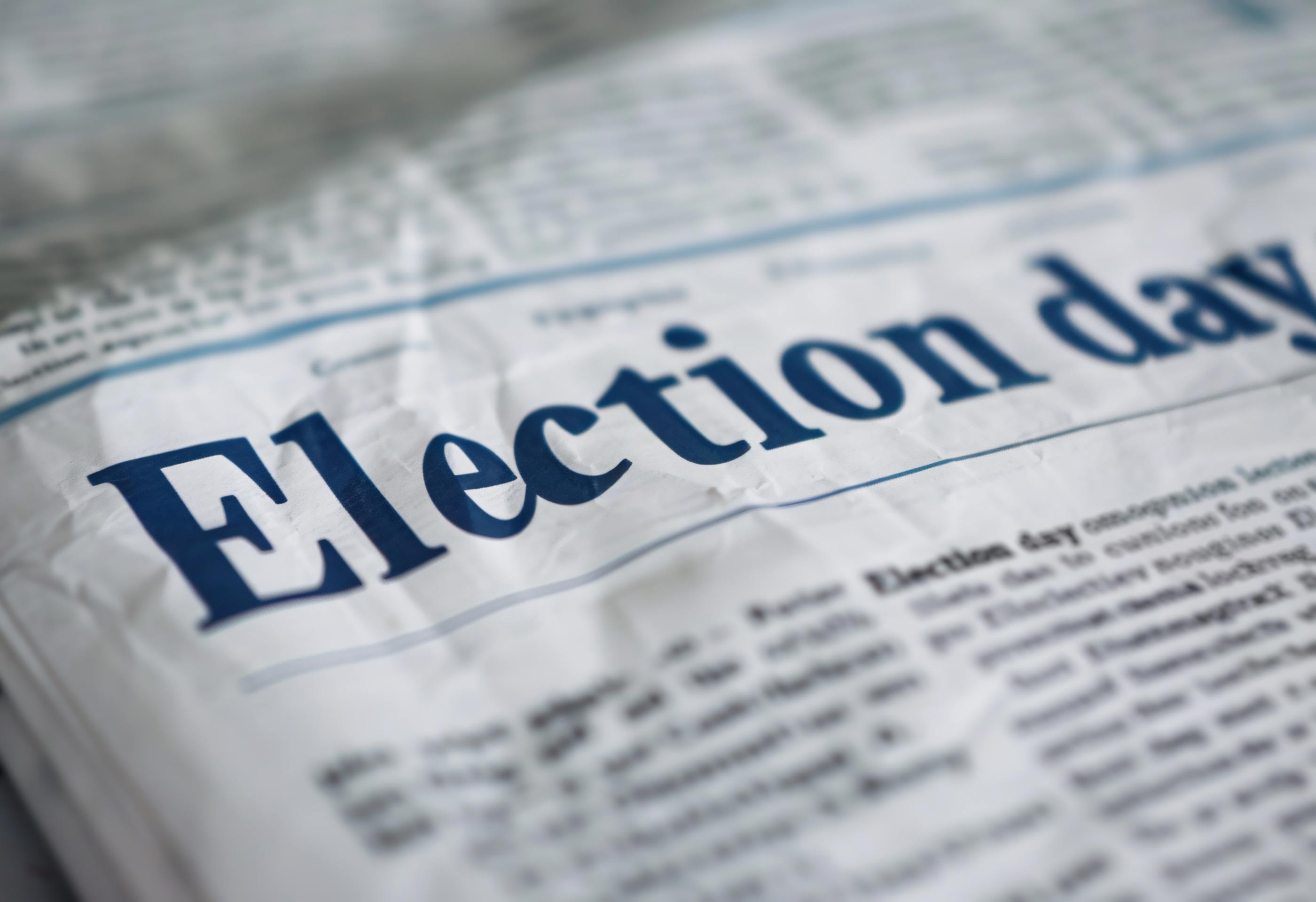
Disinfo and Elections in the Global Majority - Ethan Zuckerman
I’m just back from a very quick trip to Rio de Janiero to take part in a conference put together by dear friend and colleague Jonathan Ong, called Disinformation and Elections in the Global Majority. Hosted at the Pontifical Catholic University of Rio (wonderfully enough, shortened to PUC, pronounced “Pookie”) and co-organized by Jonathan and… Read More »Disinfo and Elections in the Global Majority
Gerrymandering | The Paper Pilot
The Paper Pilot's digital garden of thoughts on philosophy, politics, and sociology
An Overlooked — and Increasingly Important — Clue to How People Vote
Most election post-mortems neglect a key determinant of how people vote — where they get their news.

Direct Democracy | The Paper Pilot
The Paper Pilot's digital garden of thoughts on philosophy, politics, and sociology
