
The Socialist Party of Great Britain
The Socialist Party wants to get rid of the profit system and establish real socialism.

The *Socialist* Political Compass: Methods to create socialism
The Strongest Criticism of Socialism
The most serious argument against socialism isn't about human nature, it's about economic possibilities. Let's dive into what Mises and Hayek have to say.

Market Socialism | The Paper Pilot
The Paper Pilot's digital garden of thoughts on philosophy, politics, and sociology
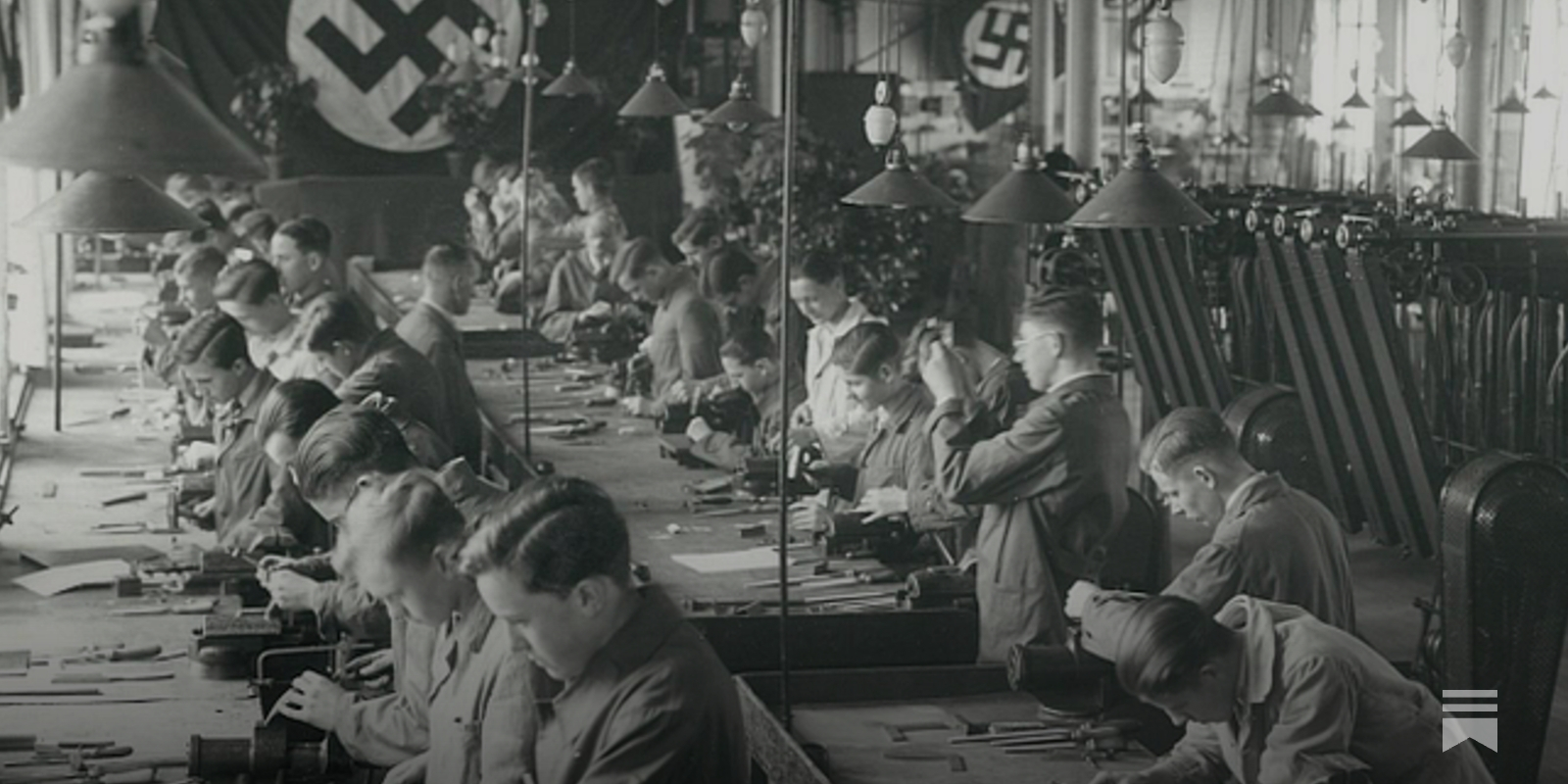
Corporations and the Nazi regime
It is apparent, 90 years after the beginnings of the Nazi period, that large corporations played an important and lamentable role in Nazi power and administration, and the implementation of the atr…

Socialist Party of Bangladesh (Marxist) | Worker of the world, Unite

American Socialist: The Life and Legacy of Eugene V. Debs
Before Bernie Sanders, before Zohran Mamdani, America’s favorite socialist was Eugene Debs.In 1912, some 1,200 Socialists held elected office across the United States. Wisconsin had a Socialist congressman in Washington, and ministers in Oklahoma preached the gospel of “Christian socialism” at revival-style gatherings come summertime. The leader of this vibrant movement? One Eugene V. Debs—part working-class agitator, part radical prophet, a man who made it feel like being an American and a socialist was the most natural thing in the world. Even opponents would describe Debs as Christlike. Born in Indiana in 1855, he’d dropped out of school at fourteen to work on the railroad. Elected to the state legislature in his twenties, he’d seemed a rising star in the Democratic Party: an optimistic moderate who urged respectability and compromise. But this was the Gilded Age: an era of corporate tycoons and outrageous sums of money in politics, of grueling hours and few rights for workers (if any). And when, in 1894, the president sent in thousands of troops to break a nationwide railroad strike Debs helped organize, Debs was radicalized. He emerged from a six-month prison sentence as a crusader, a stirring orator who would soon see all forms of unaccountable power—rich over poor, men over women, white over Black, colonizer over colonized—as poisonous to human freedom. Cofounding the Socialist Party of America, Debs would run for president five times and spend the rest of his life convincing ordinary workers that, together, they could create a political movement strong enough to transform the world. It wouldn’t be easy. He would suffer from chronic illness, lose friends and enrage allies, risk his marriage to a woman he loved, and receive a decade-long prison sentence for opposing World War I. And yet, countless Americans—not just in his lifetime, but in ours—would heed Debs’s righteous call for human solidarity. When Debs ran for president in 1920 from behind bars, he received almost a million votes. A rousing, poignant, intimately human tale of struggle against the odds, American Socialist is a stunning portrait of one man’s radicalization—and of the country he radicalized in turn. It’s a story that speaks powerfully to our own Gilded Age, when the very wealthy again rule America’s political and economic life and millions are looking for an alternative.
Some Thoughts on Techno-Fascism From Socialism 2025
"This is the endgame of our isolation."


Democratic voters want the party to be more moderate — and more socialist?
The trouble with polling about ideological labels

annotations: Un bref essai sur les différences entre Marx et Keynes
Traduction française de "A short essay on the differences between Marx and Keynes" de Branko Milanovic
Fed study ties 1918 flu pandemic to Nazi Party gains
The paper examined municipal spending levels and voter extremism in Germany from the time of the initial influenza outbreak until 1933.

Volunteer – Socialists
We are a people-powered movement - we depend on the energy and enthusiasm of our supporters to get our message out. Every contribution, even the smallest, will make a difference.

Correlates of the Mamdani Vote
No class gradient is a big win for democratic socialism