

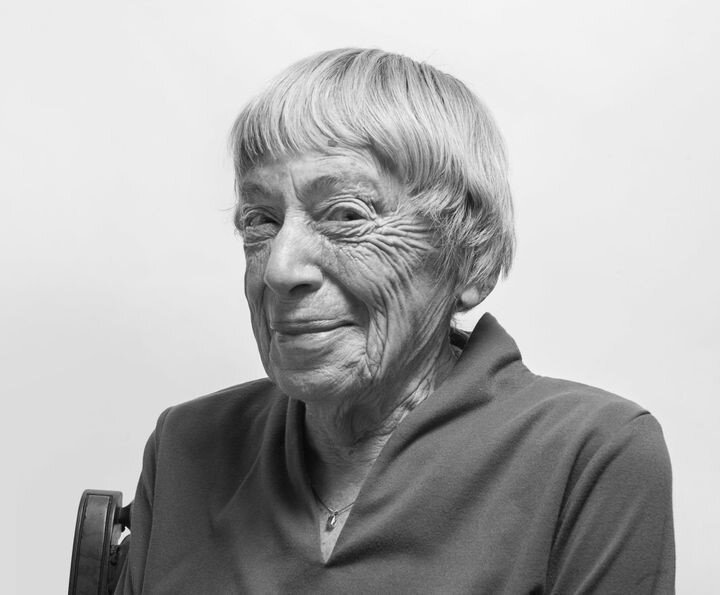
A bleak moon settled by utopian anarchists, Anarres has long been isolated from other worlds, including its mother planet, Urras—a civilization of warring nations, great poverty, and immense wealth. Now Shevek, a brilliant physicist, is determined to reunite the two planets, which have been divided by centuries of distrust. He will seek answers, question the unquestionable, and attempt to tear down the walls of hatred that have kept them apart.
Ursula K. Le Guin — Ursula on Writing: A Rant about "Techonolgy"
Ursula K. Le Guin on the presence of technology in her work

Ursula's list
Ursula Franklin is one of my all-time favorite thinkers about both the obvious and obscured parts of our technological world.
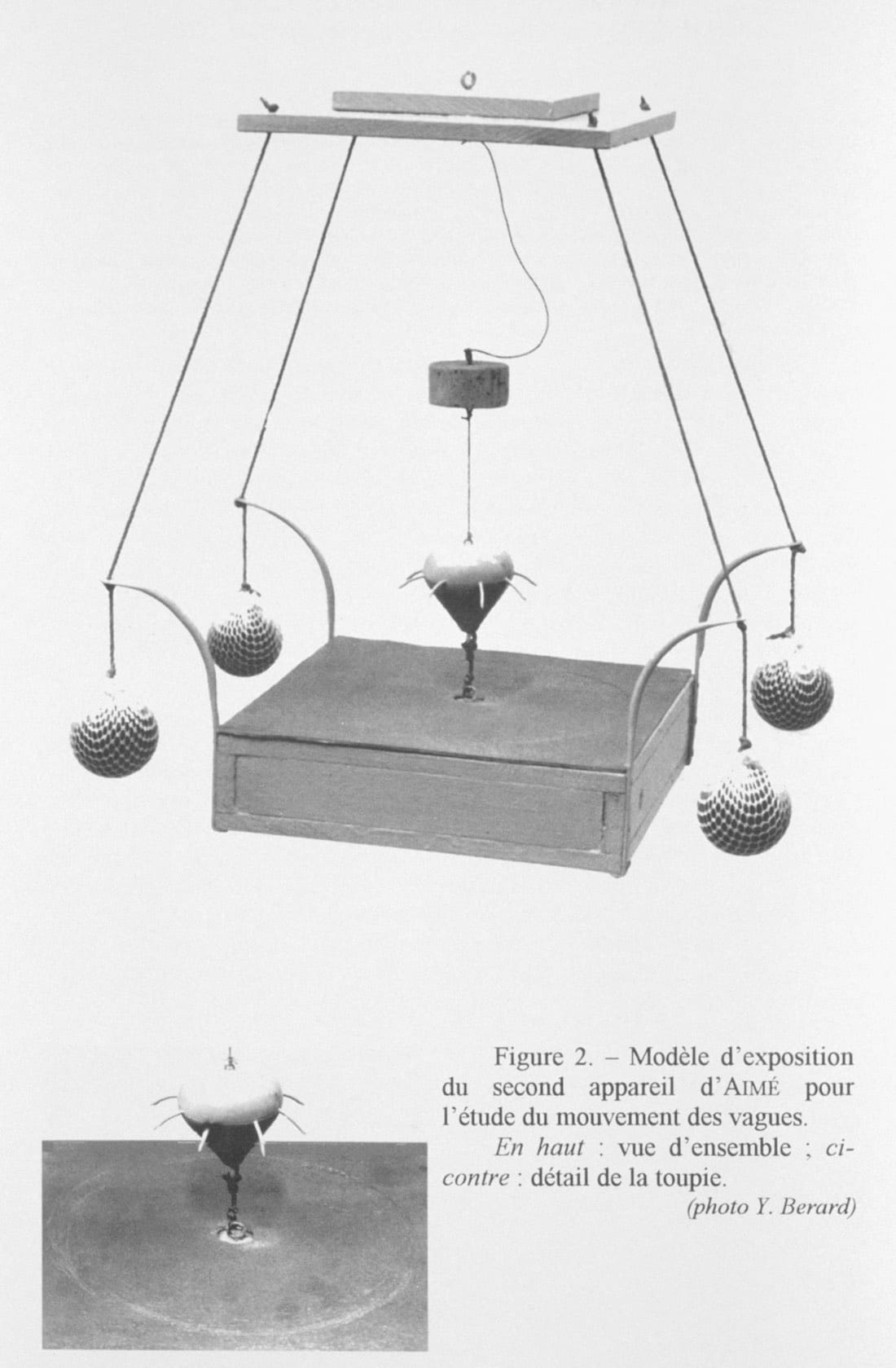
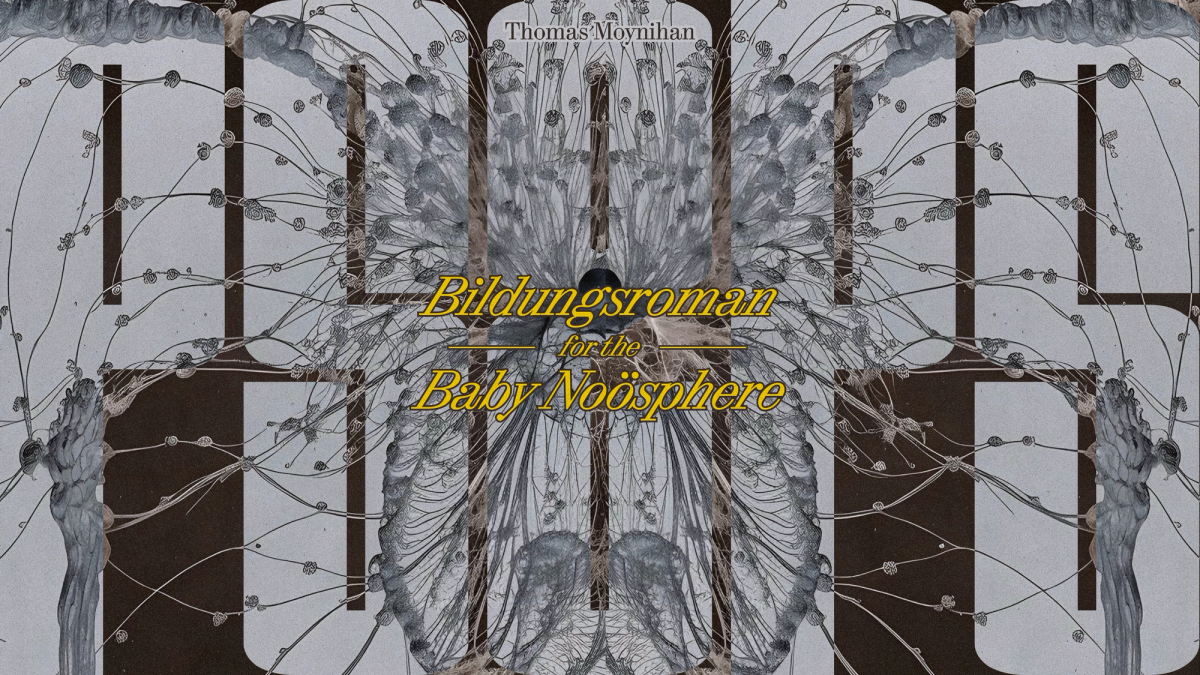
Planetary Sapience & Planetary Stupidity: a Bildungsroman for the Baby Noosphere | Antikythera
That is, the faculty of recollection and foresight? Until recently, I would argue, our planet was amnesiac. That is, no part of it was reflectively aware of the place of the present relative to the established past nor the expected future. But then peculiar animals emerged, capable—no matter how imperfectly—of cooperation, abstraction and invention. In the last blink of geologic time, through the collaboration of these animals with their increasingly cunning artifacts, this state of planetary amnesia has faltering begun being cured. That is, through our artifacts, our planet is becoming aware of its own unfolding biography. In our fallible attempts to model our world—alongside our growing legion of sensors—The Earth system has developed a way of recollecting its deepest past and tracking the changing complexities of its present so as to forecast its furthest future.
Ayn Rand and the Hippies
Original essays, each of which pulls an artifact from the Whole Earth Index and plumbs its deeper histories, arguing for why it helps us understand our present, and add nuance to the Whole Earth legacy.
Goddess of Anarchy: The Life and Times of Lucy Parsons,…
From a prize-winning historian, a new portrait of an ex…

The Origins Of <br>‘Planetary Realism’ And <br>‘Whole Earth’ Thinking | NOEMA
There is no escaping an interconnected world.
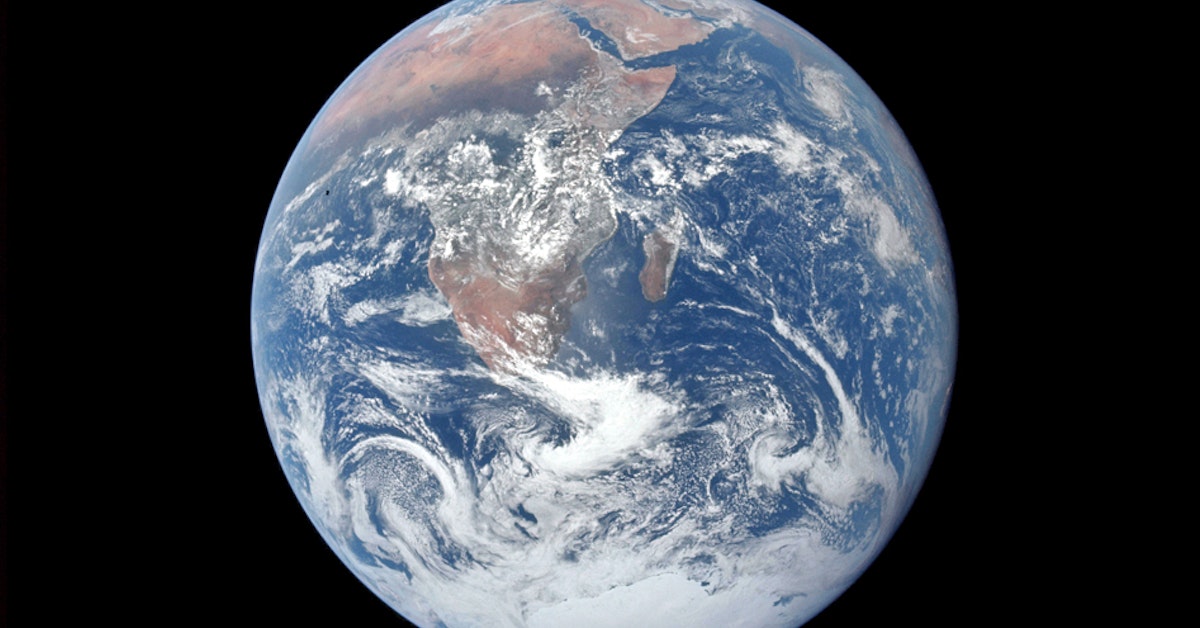
» Will Wright’s City in a Box The Digital Antiquarian
In “The Seventh Sally,” a story by the great Polish science-fiction writer Stanislaw Lem, a god-like “constructor” named Trurl comes upon a former tyrant named Excelsius, now exiled to a lonely asteroid by the peoples of the planets he used to terrorize. Upon learning of Trurl’s powers, Excelsius demands that he restore him to his throne. Trurl, however, is wise enough to consider what suffering Excelsius’s reinstatement would bring to his subjects. So, he instead fashions an intricate simulacrum of a kingdom for Excelsius to rule over.
The Standpoint of Heimatlosigskeit and the Planet
Since the launch of Sputnik in 1957, it has become impossible to comprehend the world solely through the lens of Hegel’s Berlin or Kojève’s Paris—even as nation-states continue to wrestle with their growing obsolescence. The planetary condition of human existence has also intensified a form of nihilism rooted in modernity: geographically through globalization, and cosmically through thermodynamics. If, in the twentieth century, reactionary politics sought to “overcome modernity” by returning to a notion of homeland (Heimat), the twenty-first century calls for a renewed framework—one that begins, perhaps, from the standpoint of Heimatlosigkeit.
Ursula Le Guin
The Coming Second Copernican Revolution | NOEMA
Astrobiology is rewiring our understanding of the intimate connection between life and planets as they appear in the universe.
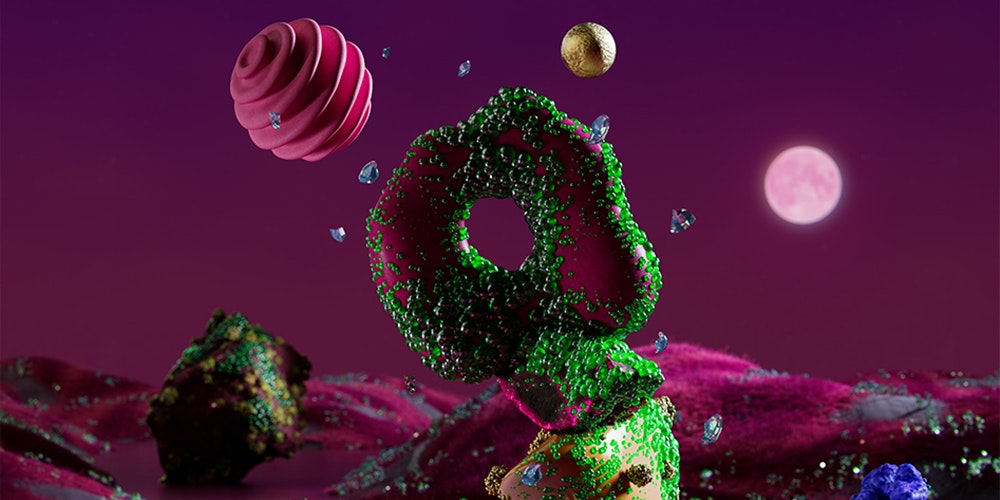
A Primordial Computing Soup
Fostering AI art scenius, creating an open planetary network of robots

The New Planetary Nationalism
The realization of human embeddedness in Earth’s natural systems does not inevitably create a cosmopolitan politics oriented toward universal well-being.
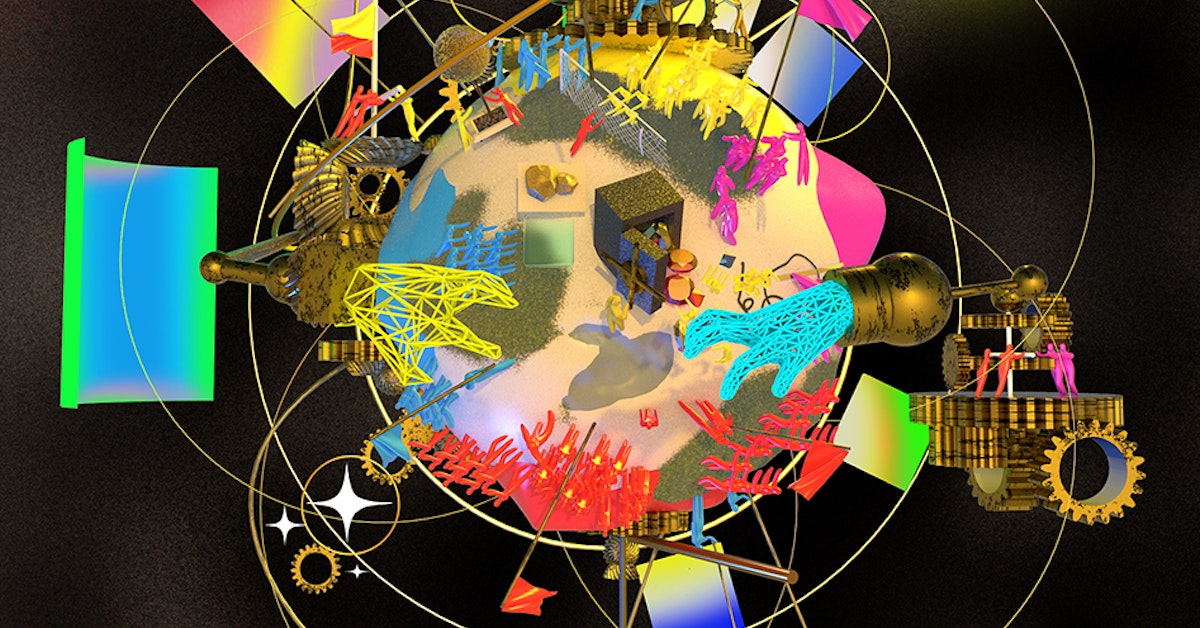
We need more tiny knowledge projects—here’s one
Crowdsourcing dynamic illustrations for a new astronomy book by Terry Tao and Tanya Klowden. The other day I was reading the sample chapter of a new book by Terence Tao and Tanya Klowden, on the so-called cosmic distance ladder. It’s a lovely piece of writing. The chapter tells the story of how Johannes Kepler, using data collected by Tycho Brahe, solved the puzzle of planetary motion. It puts us in the discoverers’ shoes: instead of working backwards from Kepler’s equations, we work forwards from the inexp
