

A living manual for better interfaces. Learn design principles, motion, typography, and more.
GUIdebook: Graphical User Interface gallery
GUIdebook: Graphical User Interface gallery
Web Interface Guidelines
Guidelines for building great interfaces on the web. Covers interactions, animations, layout, content, forms, performance & design.
Interfaces › Design Engineering Magazine
Interfaces is a design engineering magazine about building great interfaces that covers topics such as animation, typography, layout and color.

Andy Matuschak
I'm an applied researcher, focused on creating user interfaces that expand what people can think and do. My current focus is an augmented book which actively helps people understand, remember, and use what they read.
Why Do We Interface?
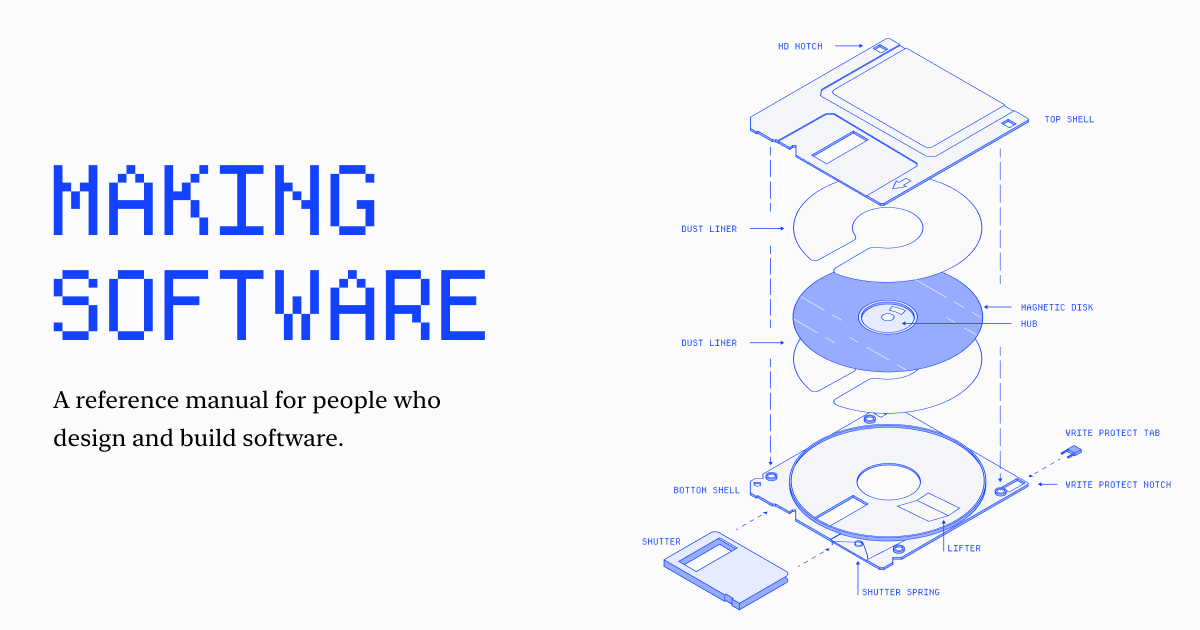
In this micro book we look at the past, present, and future of interfaces and how they allow us to utilize information in ways that change what it means to be human.
Structural Analogies of User Interfaces with Belidor
Interfaces › Cheat Sheet
A list of tips, improvements and best practices that quickly make your interfaces better.
Details That Make Interfaces Feel Better
A collection of details that make your interfaces feel better.
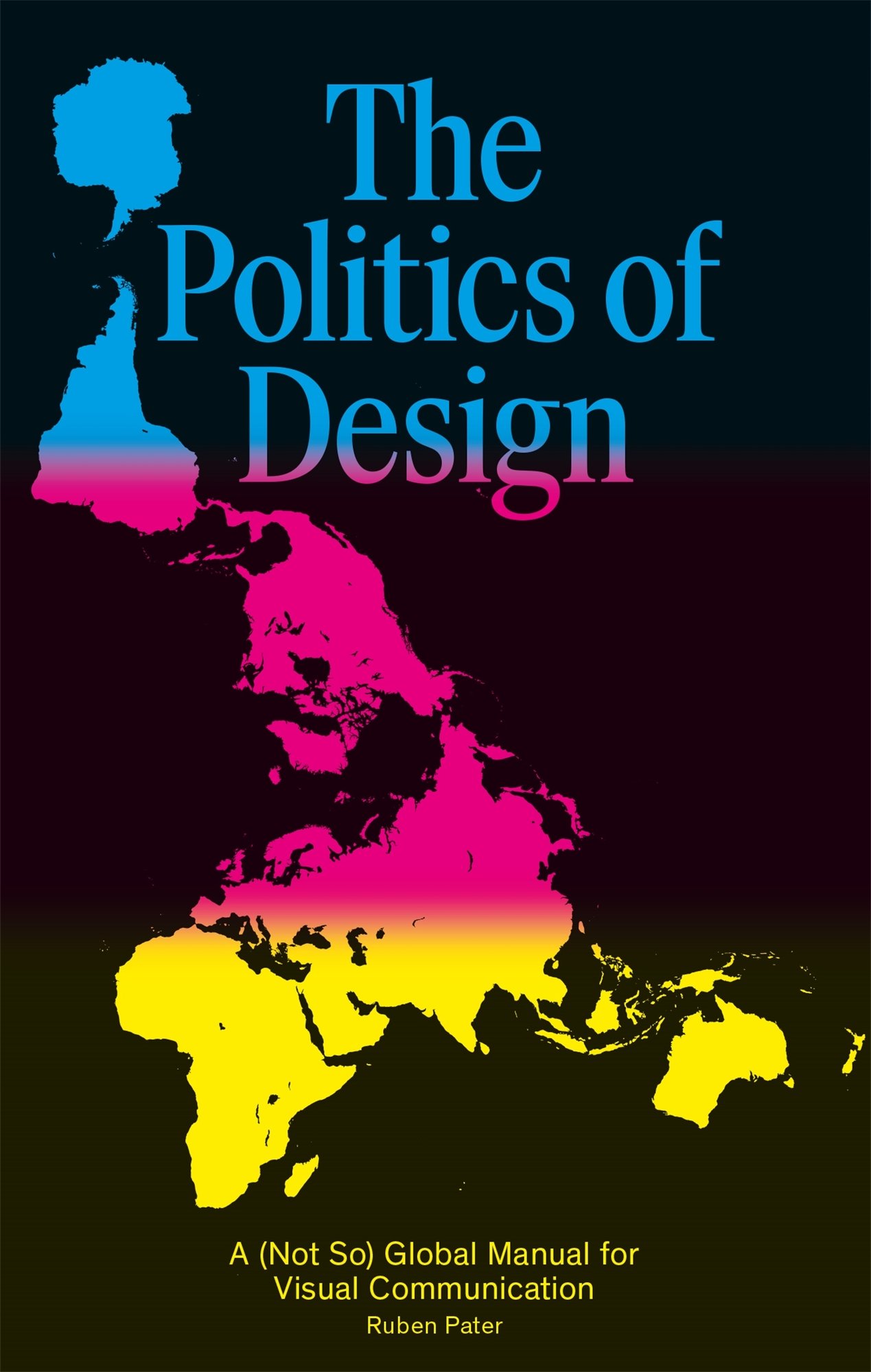
The Politics of Design: A (Not So) Global Design Manual for Visual Communication
A (Not So) Global Design Manual for Visual Communication
Adrian Z. · Human Interface Designer
Designer working at the intersection of art, design, and AI.

Managing through interfaces - The Engineering Manager
You can learn a lot about managing managers by thinking about interfaces from programming languages. We dig deeper into what that means.
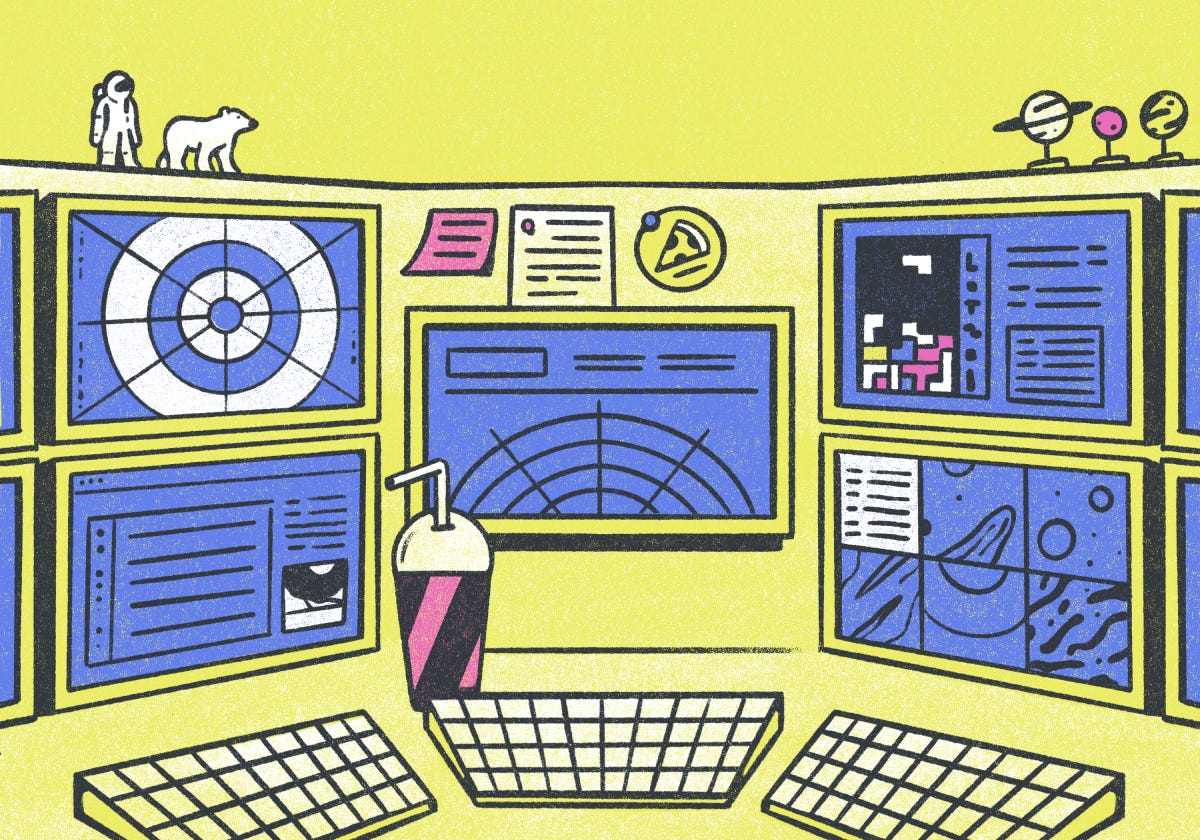
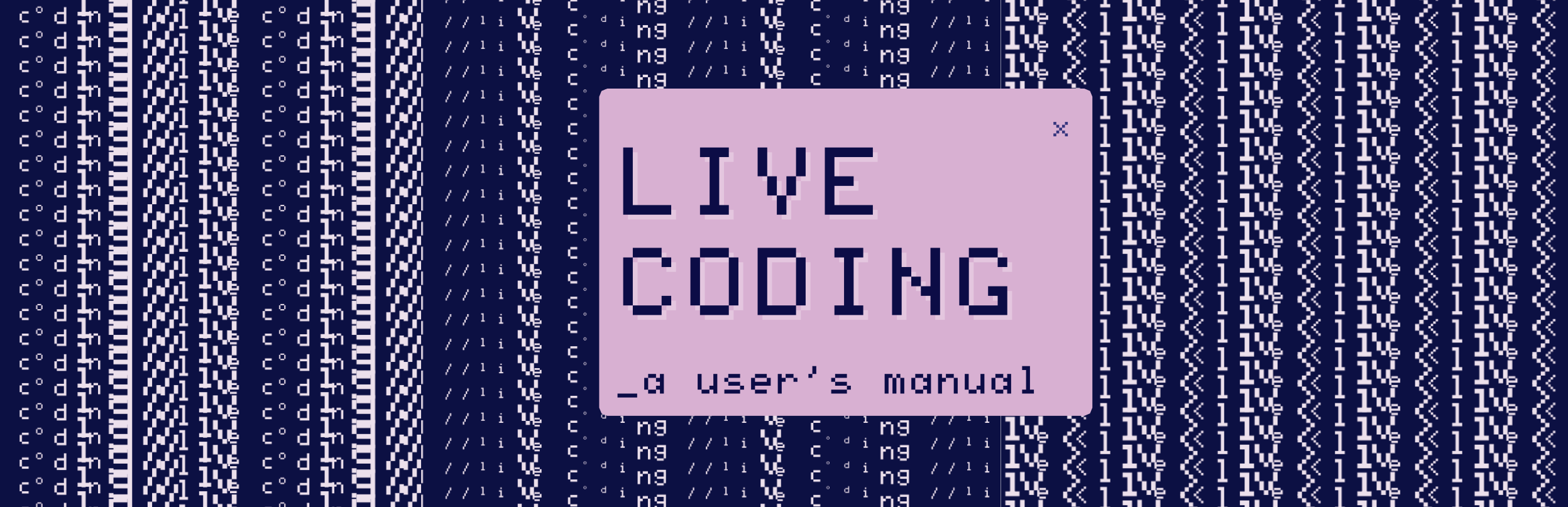
Live Coding: A User's Manual
Live Coding: A User's Manual, published by MIT Press
Interface Realisms: The Interface as Aesthetic Form
Until now, digital arts have largely been understood to belong in traditional genres or forms of art: we are said to have electronic literature, net.art, or electronic, techno music. Sometimes interesting discussions have arisen concerning the very ontology of digital art, and questions such as whether net.art should be seen within the tradition of the visual arts or as a form of literature connecting it to the different traditions and questions regulating these arts.[1] While it is not my intent to disconnect digital art from traditional art, or to argue for the irrelevance of the traditional forms of art, I will in the following establish the interface as an aesthetic and critical framework for digital art.