


Released to mixed reviews in 1982, director Ridley Scott’s neo-noir vision of a not-so-distant future where the line between man and machine has all but disappeared went on to cult status and influenced a generation of filmmakers. On the eve of a sequel no one could have predicted, its creative core—Scott, star Harrison Ford, screenwriter Hampton Fancher, and others—tell the story of the original film’s contentious journey to the screen.
Blade Runner
After studying Alien in intimate detail, it’s time to look at the typography and design of Ridley Scott’s other classic sci-fi movie, Blade Runner. Based on Philip K. Dick’s novel Do Androids Dream…

» Blade Runner The Digital Antiquarian
Blade Runner has set me thinking about the notion of a “critical consensus.” Why should we have such a thing at all, and why should it change over time?
Spielberg’s ‘A.I.’ Divided Critics, but It’s the Ultimate Coming-of-Age Story 20 Years Later
Movies don't change, we do. And where you are in life may affect how you receive the heartbreaking vision of this film.

Annihilation and Ex Machina director Alex Garland on using sci-fi to explore self-destruction
From artificial intelligence to possible alien intervention.

When They Came from Another World
What if the future is as real as the past? Physicists have been suggesting as much since Einstein. It’s all just the space-time continuum. The film Arrival, written by Eric Heisserer and directed by Denis Villeneuve, is being marketed as an alien-contact adventure: creatures arrive in giant ovoid spaceships, and drama ensues, but it is a movie of philosophy as much as adventure. It's really a movie about time. Time, fate, and free will.

What the Seven “Star Wars” Films Reveal About George Lucas
If Lucas had directed nothing but “Attack of the Clones” and “Revenge of the Sith,” he’d still have a place in my personal pantheon.

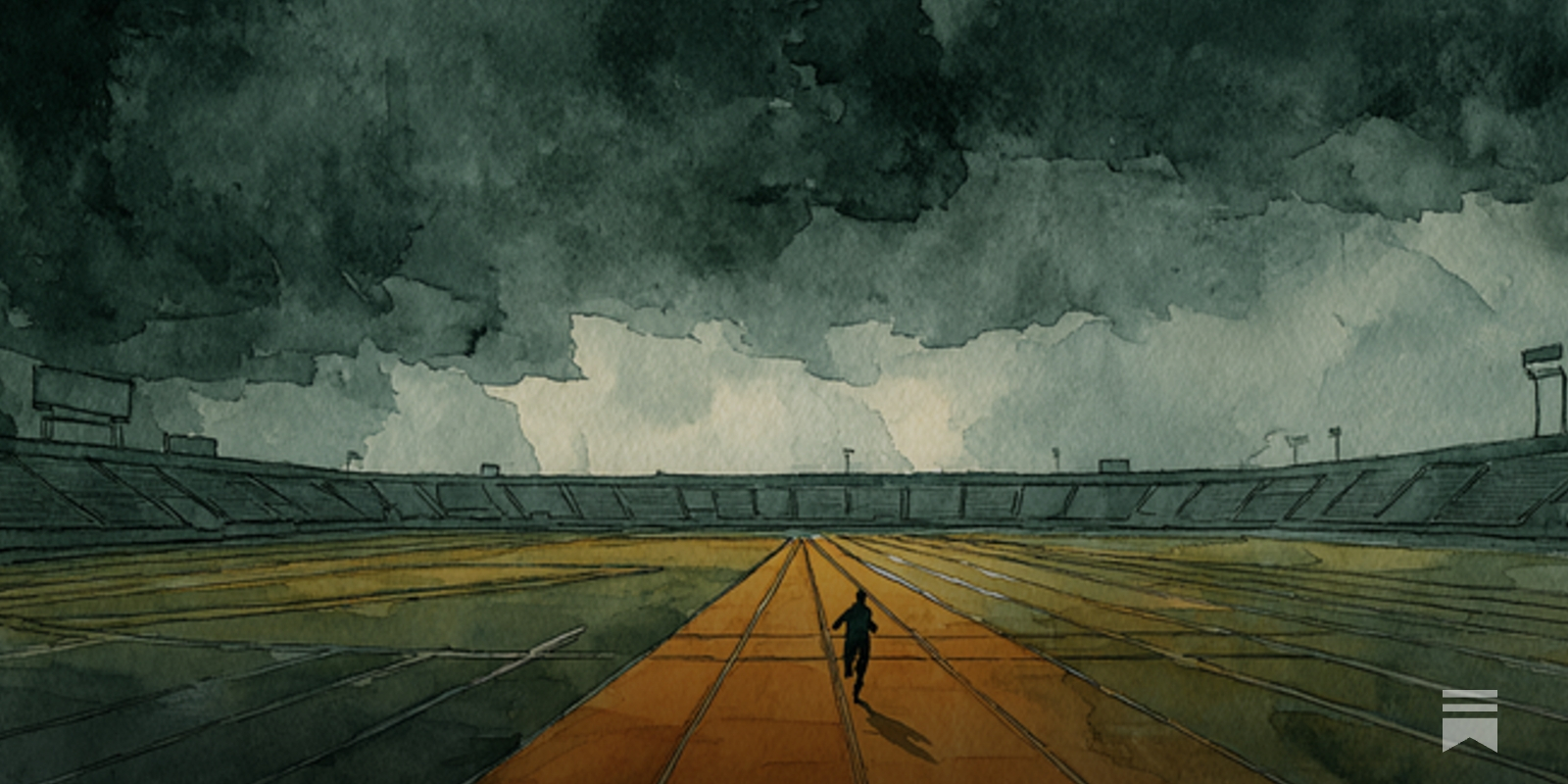
Akira Kurosawa’s List of His 100 Favorite Movies
In movies like Seven Samurai and High and Low, director Akira Kurosawa took the cinematic language of Hollywood and improved on it, creating a vigorous, muscular method of visual storytelling that became a stylistic playbook for the likes of Martin Scorsese, George Lucas and Francis Ford Coppola.
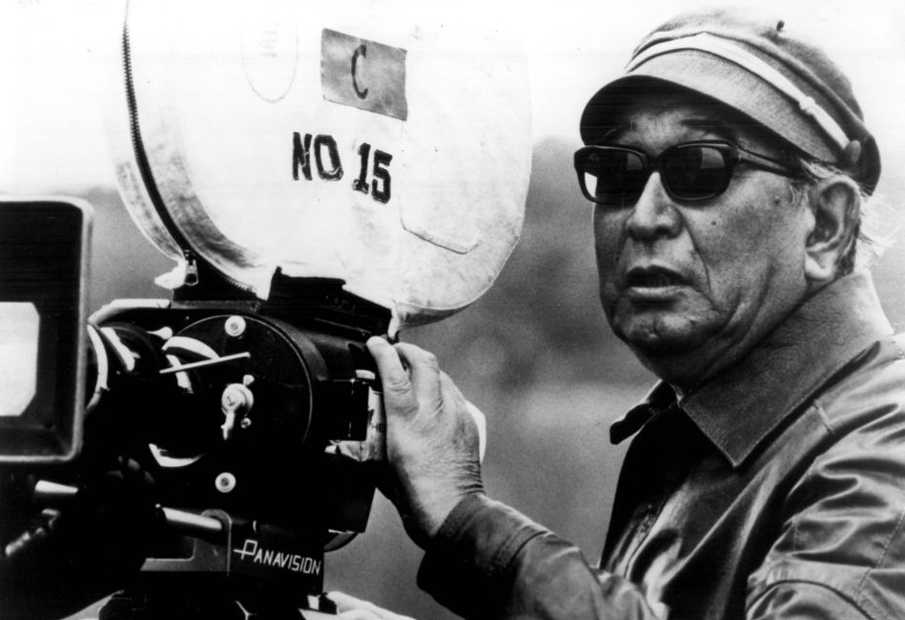
Forget it, Kinbote, it’s Chinatown: A Blade Runner 2049 reference guide
Forget it, Kinbote, it’s Chinatown: A Blade Runner 2049 reference guide

Author Chuck Palahniuk tells us why it’s time to re-open Fight Club
The Verge is about technology and how it makes us feel. Founded in 2011, we offer our audience everything from breaking news to reviews to award-winning features and investigations, on our site, in video, and in podcasts.

Annihilation & The Horrors of Change
1. REFLECTION Movies are not puzzles. I feel like I argue this all the time, but it sure doesn’t stop people from the pursuit. And it seemed like within mere hours people were arguing furious…

The Cult of AI
How one writer's trip to the annual tech conference CES left him with a sinking feeling about the future.

The 2.5-hour AI-generated Odyssey movie is 2.5 hours too long
Going up against Christopher Nolan with AI slop was ill-advised.

As Epic goes all in on AI game development, maybe it’ll be the kids who ultimately decide the fate of the games industry | Respec
How the young audience reacts to the upcoming Star Wars x Marvel shooter and Fortnite may well dictate AI’s future in game dev.

The Protagonist Problem - Uncanny Magazine
“Speculative Resistance”—a term coined by Malka Older—posits that one great power speculative fiction wields is that exploring other worlds and ways societies could work encourages people to question extant systems, to imagine alternatives, to hope, to act, and to reject the old hope-ending “because that’s the way it is.” The author Ursula K. Le Guin […]

The present no longer lasts long enough to be a setting. All fiction is either science fiction or historical fiction. I've been saying this for long enough that even this statement itself is no longer true. The future doesn't last long enough either. All science fiction is now retrofuturism.
