


Post something about coronavirus online? Expect a visitor at your door.
Archive: New COVID-19 ‘Citizen Science’ Initiative Lets Any Adult with a Smartphone Help to Fight Coronavirus
The online study would try to help researchers gain insight into how the virus is spreading and identify ways to predict and reduce the number of new infections.

The unprecedented and deadly cruise ship hantavirus outbreak, explained
This is not COVID," and other reasons why risk to the public is currently low.

I Lived Through SARS and Reported on Ebola. These Are the Questions We Should Be Asking About Coronavirus. — ProPublica
For concerned civilians and journalists covering the coronavirus, the figures and projections can be overwhelming, frightening or confusing. Here’s what reporter Caroline Chen is focusing on to keep things as accurate and clear as possible.

'More scary than coronavirus': South Korea's health alerts expose private lives
‘Safety guidance texts’ sent by the authorities contain an avalanche of personal information and are fuelling social stigma
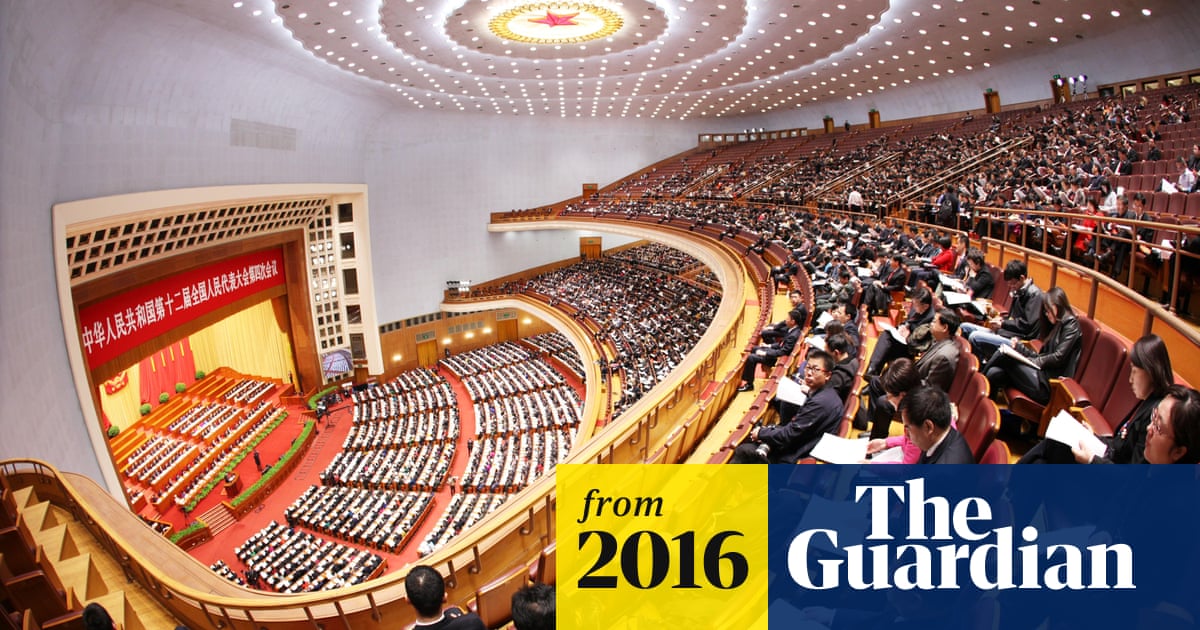
China’s scary lesson to the world: Censoring the Internet works
China is confidently promoting its vision of “Internet Sovereignty.”

China
This blog post was published on November 20, 2019. It might be out of date, have broken images or links, or simply contain bad ideas and opinions that didn't stand the test of time. Please read generously!
COVID-19 #CoronaVirus Infographic Datapack — Information is Beautiful
Updated daily, now with global vaccination stats

The Fate of the News in the Age of the Coronavirus
Can a fragile media ecosystem survive the pandemic?

Chinese officials 'create 488m bogus social media posts a year'
Harvard researchers say leaked documents show bureaucrats fabricate positive posts to distract from criticism of government
A well-heeled liberal group is filling the local news void with Trump-bashing coronavirus ads
Local newspapers are laying off their staffs across the US, hit by the economic impact of the coronavirus. Meanwhile, a new breed of deep-pocketed local publications such as UpNorthNews in Wisconsin and The Gander Newsroom in Michigan are filling the void.

China’s Nightmarish Citizen Scores Are a Warning For Americans | ACLU
China is launching a comprehensive “credit score” system, and the more I learn about it, the more nightmarish it seems. China appears to be leveraging all the tools of the information age—electronic purchasing data, social networks, algorithmic sorting—to construct the ultimate tool of social control. It is, as one commentator put it, “authoritarianism, gamified.” Read this piece for the full flavor—it will make your head spin. If that and the little other reporting I’ve seen is accurate, the basics are this:

States Are Reopening:<br> See How Coronavirus Cases Rise or Fall
As states reopen, see if they meet White House guidelines for reopening and whether their COVID-19 infection rate is increasing or not.

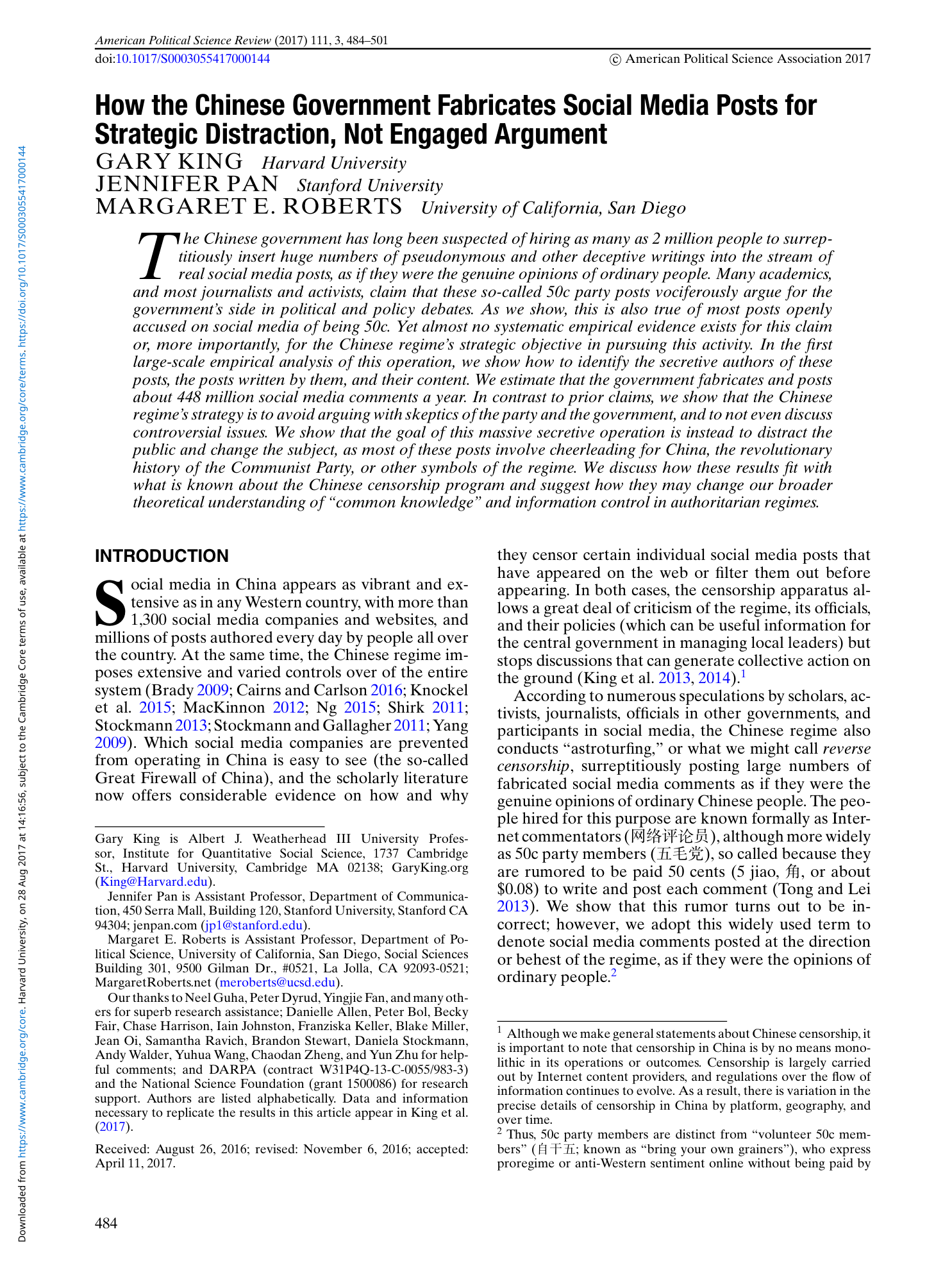
How the Chinese Government Fabricates Social Media Posts for Strategic Distraction, Not Engaged Argument
The Chinese government has long been suspected of hiring as many as 2,000,000 people to surreptitiously insert huge numbers of pseudonymous and other deceptive writings into the stream of real social media posts, as if they were the genuine opinions of ordinary people. Many academics, and most journalists and activists, claim that these so-called "50c party" posts vociferously argue for the government's side in political and policy debates. As we show, this is also true of the vast majority of posts openly accused on social media of being 50c. Yet, almost no systematic empirical evidence exists for this claim, or, more importantly, for the Chinese regime's strategic objective in pursuing this activity. In the first large scale empirical analysis of this operation, we show how to identify the secretive authors of these posts, the posts written by them, and their content. We estimate that the government fabricates and posts about 448 million social media comments a year. In contrast to prior claims, we show that the Chinese regime's strategy is to avoid arguing with skeptics of the party and the government, and to not even discuss controversial issues. We show that the goal of this massive secretive operation is instead to distract the public and change the subject, as most of the these posts involve cheerleading for China, the revolutionary history of the Communist Party, or other symbols of the regime. We discuss how these results fit with what is known about the Chinese censorship program, and suggest how they may change our broader theoretical understanding of "common knowledge" and information control in authoritarian regimes. This paper is related to our articles in *Science,* "[Reverse-Engineering Censorship In China: Randomized Experimentation And Participant Observation](/publication/reverse-engineering-censorship-in-china-randomized-experimentation-and-participant-observation/)", and the *American Political Science Review,* "[How Censorship In China Allows Government Criticism But Silences Collective Expression](/publication/how-censorship-in-china-allows-government-criticism-but-silences-collective-expression/)". Replication data at the Harvard Dataverse: [https://doi.org/10.7910/DVN/QSZMPD](https://doi.org/10.7910/DVN/QSZMPD).
Retracted coronavirus (COVID-19) papers
via CDC We’ve been tracking retractions of papers about COVID-19 as part of our database. Here’s a running list, which will be updated as needed. (For some context on these figures, see…

Looking Through the Eyes of China’s Surveillance State (Published 2018)
A rare chance to try on a tool of a would-be surveillance dystopia gave a glimpse of the wariness that a closely watched populace can’t hide.

COVID-19 vaccines

Primarily information in the US and Japan

COVID-19 Vaccine Effectiveness and Safety for the 2026-2027 Respiratory Season
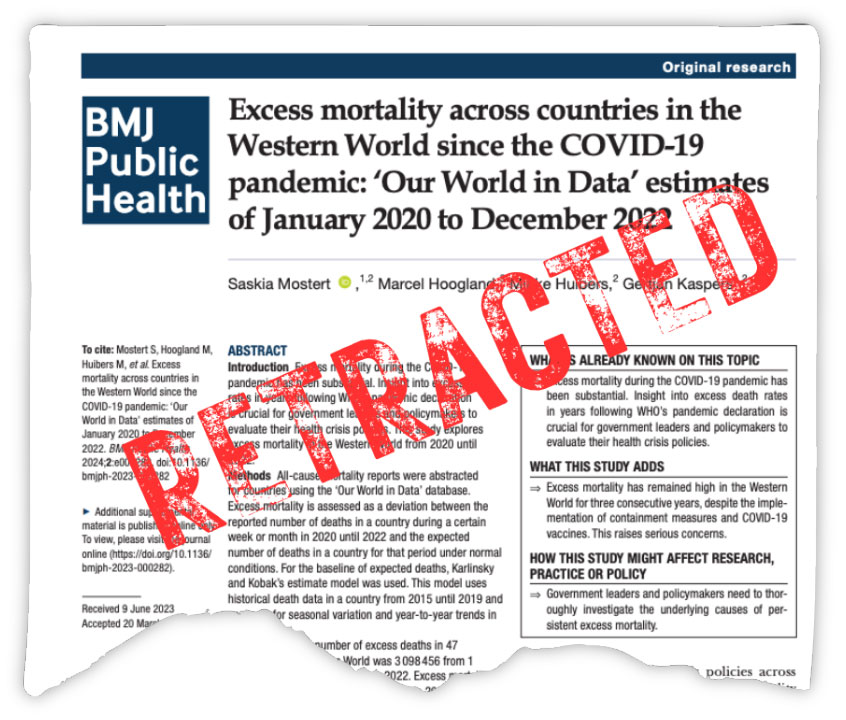
BMJ Group retracts paper on COVID-19 vaccines and mortality featured in Senate hearing

What to Know About New Covid Vaccines for Fall 2026
Underlying Conditions and the Higher Risk for Severe COVID-19