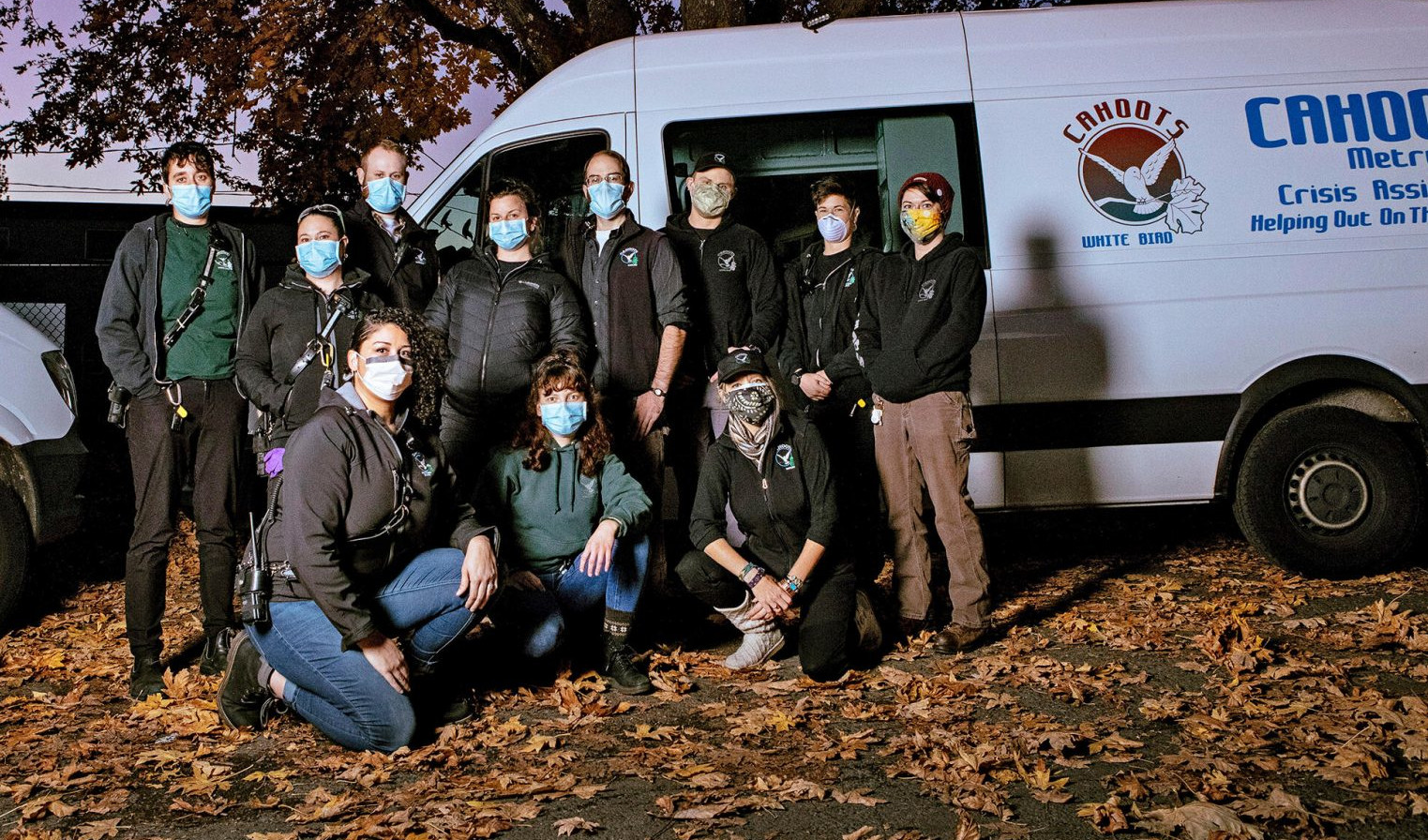
‘Law and order’ politics fills prisons without addressing root causes. We’ll redirect police budget increases into public housing, youth and social services.
Police Abolition | The Paper Pilot
The Paper Pilot's digital garden of thoughts on philosophy, politics, and sociology
One Nation promises law-and-order boost in Victorian campaign launch
The party pledges to boost police numbers and increase penalties for young offenders, saying it would fund the changes by scrapping the Suburban Rail Loop and Victoria's Treaty.
Criminal Justice Fact Sheet
A compilation of facts and figures surrounding policing, the criminal justice system, incarceration, and more.

Abolishing the police and prisons is a lot more practical than critics claim
Mariame Kaba's new book “We Do This ‘Til We Free Us” is a pragmatic playbook for a world without walls.

Community Safety - Platform | The Australian Greens
Labor and the Liberals' approach to crime clearly isn't working. Despite Victoria having more police than any other state, people don't feel any safer. We need a different approach.

Criminal Justice Expenditures: Police, Corrections, and Courts
Police expenditures include spending on police, sheriffs, state highway patrols, and other governmental departments charged with protecting public safety.Cor…

Victorian opposition pledges to toughen bail and sentencing laws
The Victorian opposition has pledged to expand the government's "adult time for violent crime" laws and introduce a "one-strike" bail rule that would see re-offenders automatically denied bail.
Victorian Labor
That’s the number the Police Association says Victoria needs to have a full police force.
Armer les polices municipales : une dangereuse singularité française - AOC media
Tout juste élu maire de Saint-Denis, Bally Bagayoko a annoncé le désarmement progressif de sa police municipale, LBD compris. Une décision à rebours de la tendance française – et pourtant parfaitement conforme aux choix des pays européens où l'État de droit, la démocratie et les droits humains sont le mieux assurés.

Artificial Intelligence, Predictive Policing, and Risk Assessment for Law Enforcement
There are widespread concerns about the use of artificial intelligence in law enforcement. Predictive policing and risk assessment are salient examples. Worries include the accuracy of forecasts that guide both activities, the prospect of bias, and an apparent lack of operational transparency. Nearly breathless media coverage of artificial intelligence helps shape the narrative. In this review, we address these issues by first unpacking depictions of artificial intelligence. Its use in predictive policing to forecast crimes in time and space is largely an exercise in spatial statistics that in principle can make policing more effective and more surgical. Its use in criminal justice risk assessment to forecast who will commit crimes is largely an exercise in adaptive, nonparametric regression. It can in principle allow law enforcement agencies to better provide for public safety with the least restrictive means necessary, which can mean far less use of incarceration. None of this is mysterious. Nevertheless, concerns about accuracy, fairness, and transparency are real, and there are tradeoffs between them for which there can be no technical fix. You can't have it all. Solutions will be found through political and legislative processes achieving an acceptable balance between competing priorities.
How Much Do We Need The Police?
For many Americans, it goes without saying that the police help maintain public safety. But many others — especially black Americans — see the police as more of a threat than a protective force.
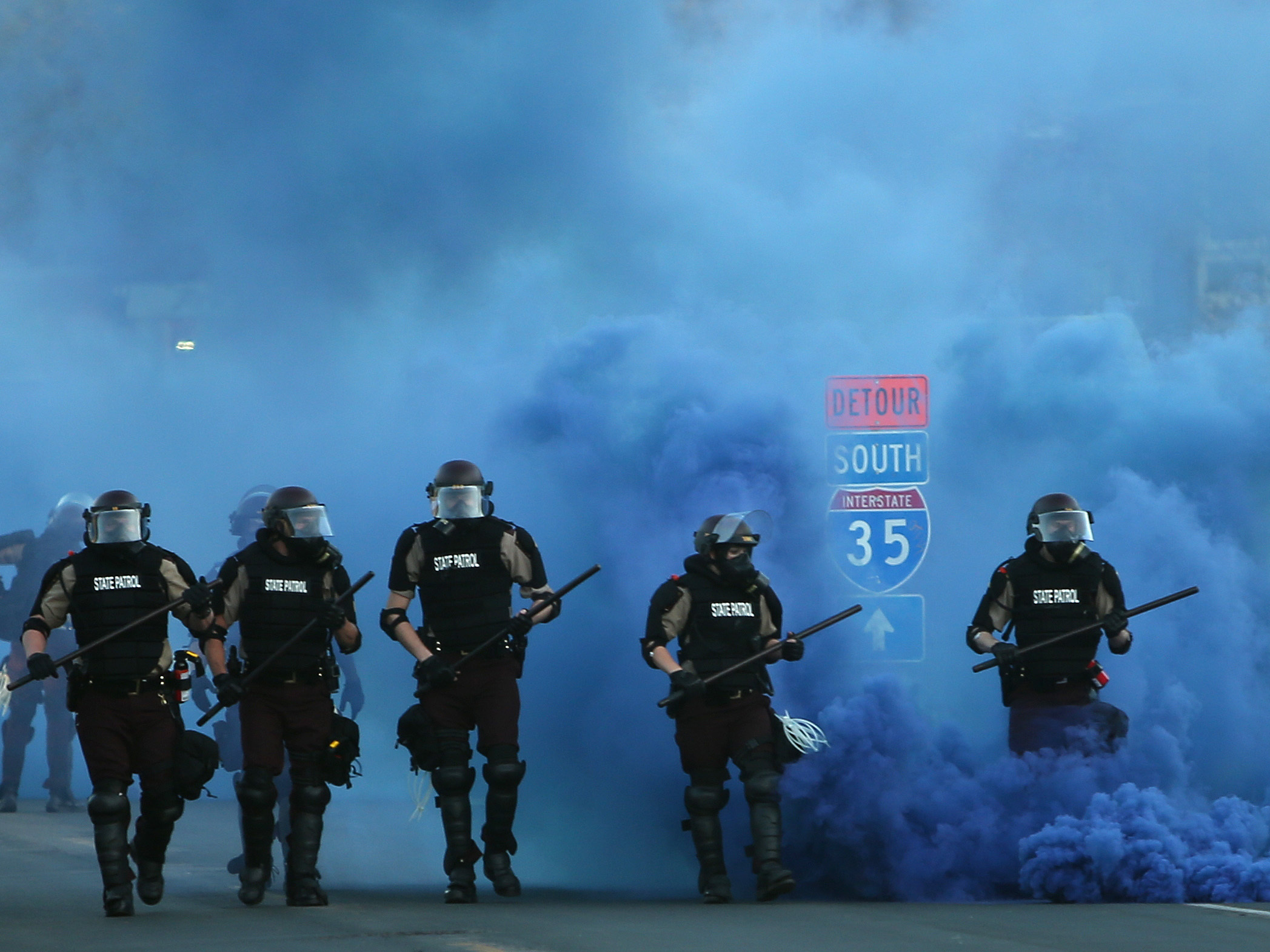
Private Prison Contracts and Minimum Occupancy Clauses
By Stephanie Leacock The private prison industry has become incredibly lucrative, with the two largest for-profit prison companies bringing in a combined $3.3 billion in annual revenue as of 2015.[1] The federal government and state governments increasingly depend on private prisons to house inmates in the United States, with approximately seven percent of state prisoners…
Dignity and security for older people – Victorian Socialists
Older people deserve dignity and security, not neglect. We’re fighting to ban for-profit aged care and guarantee public housing for pensioners.
Welcome To One Of The Most Humane Prisons In The World
"Treat people like dirt, and they will be dirt. Treat them like human beings, and they will act like human beings."

It is time for a community approach to mental health
Abolitionists and mental health advocates in the US are working to replace both police and psychiatry by reimagining how we respond to mental health crisis.