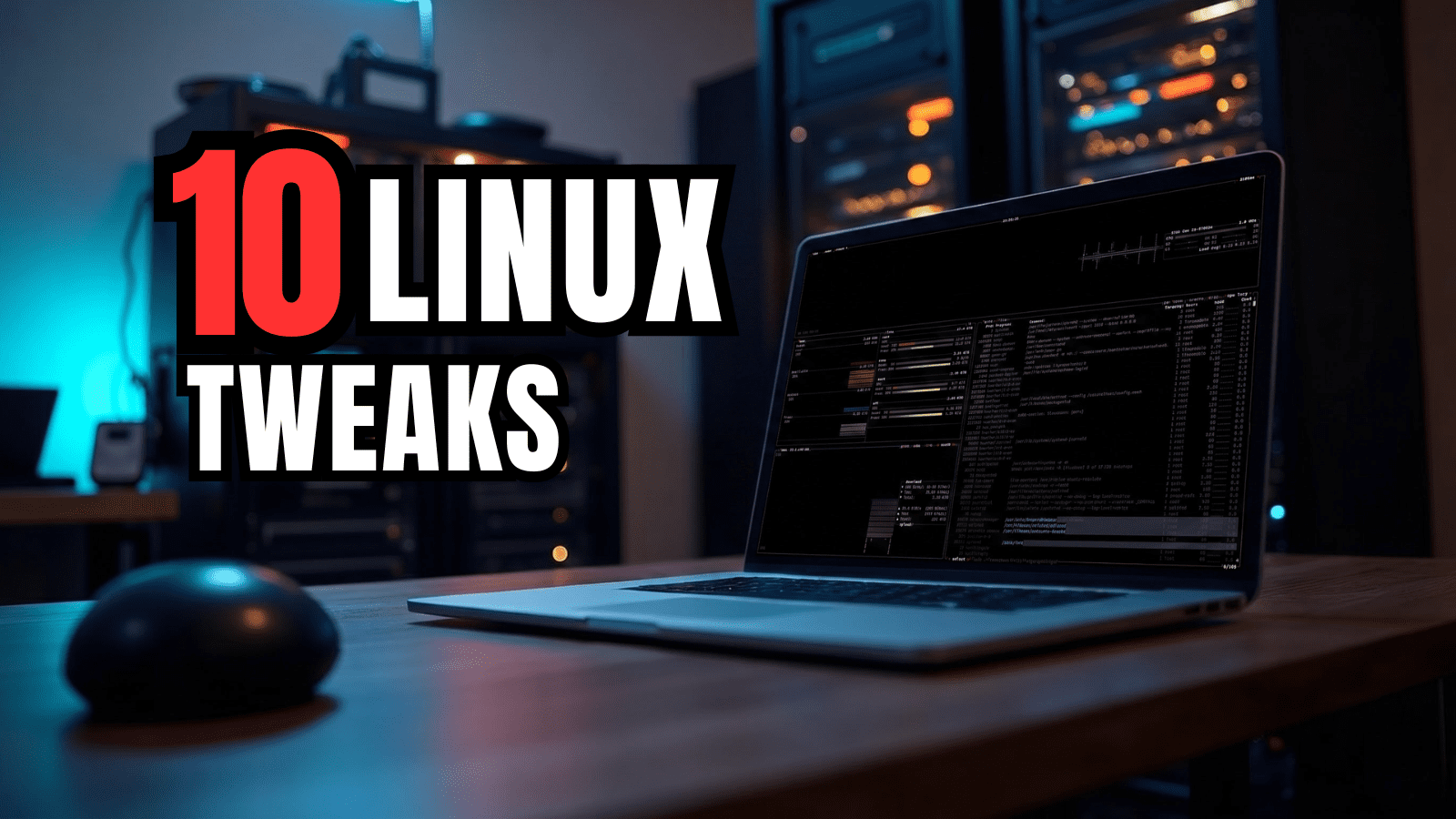
These are the Linux configuration changes I make on every new home lab server to improve security, reliability, monitoring, logging, and long-term maintenance.
An over-engineered Home Lab with Docker and Kubernetes.
Setting up a personal Home Lab is not a task for lazy people: it incurrs a big cost of maintenance and issues arise even though we might use the best IT-Infrastructure practices… but we can always learn a lot out of it and make it also super fun. In this post I would like to share my journey and share some tips and tricks and issues I bumped into. Let’s jump in!

Declarative Server with NixOS: A Reproducible Infrastructure | Mustafa Erbay
A technical guide exploring how to create a declarative server configuration with NixOS, covering reproducibility and rollback processes.


Composable, fast, and secure dev environments | Workshop | Ubuntu
Launch agent-ready, sandboxed development environments with a single command. Define them via simple YAML configs, share them to recreate on different machines.
ajfriesen
A home for my projects, thoughts, and ideas. Home Automation with Home Assistant, Linux things, building a Home Lab and more.
Running an Open Source Home Area Network
Insights on running a Home Area Network (HAN) nearly completely on open source software, including configurations and metrics.
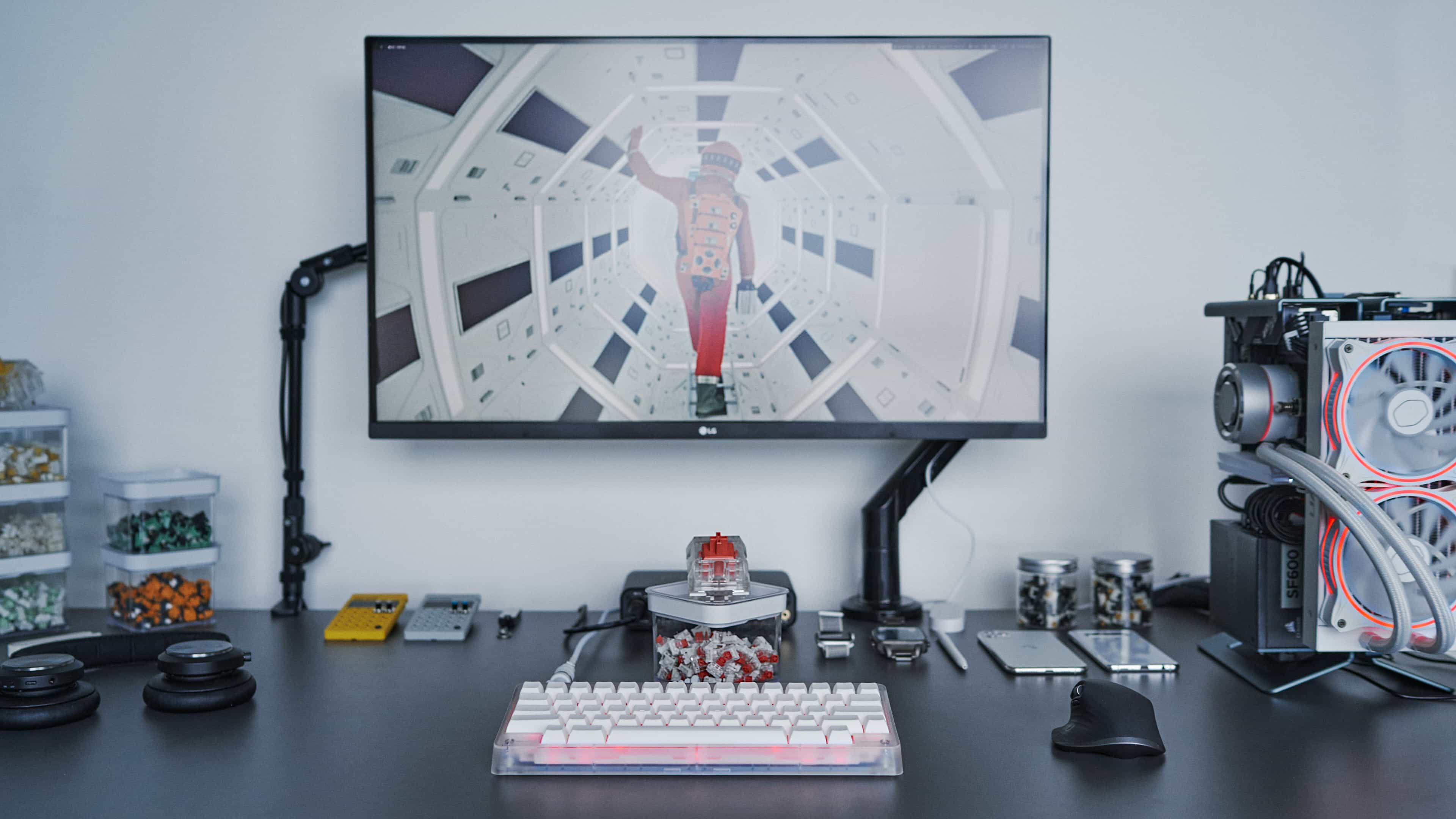
Glim is the Ventoy alternative Linux enthusiasts should use instead
Give your distro-hopping a new tool

eBPF and Kubernetes: Little Helper Minions for Scaling Microservices - Daniel Borkmann, Cilium
Self-Host and Tech Independence: The Joy of Building Your Own | Hacker News
Self-hosting doesn’t mean you have to buy hardware. After a few years, low-end machines are borderline unusable with Windows, but they are still plenty strong for a Linux server. It’s quite likely you or a friend has an old laptop laying around, which can be repurposed. I’ve done this with an i3 from 2011 [1] for two users, and in 2025 I have no signs that I need an upgrade.
RedwoodSDK: A simple framework for humans
Server-first React, running on the Cloudflare platform. Simple to build. Easy to maintain.

Linux Firewalls: How to Actually Secure a Cloud Server (iptables, nftables, firewalld, ufw)
A practical guide to the four major Linux firewall technologies - iptables, nftables, firewalld, and ufw. Covers real-world cloud server hardening with concrete examples, from locking down SSH to b...

12 eBPF-Powered CLI Utilities That Every Modern Linux Sysadmin Should Master
Classic Linux tools are always there, but eBPF is the natural upgrade as it looks directly in the kernel. Once you start using these tools, it’s hard to imagine managing Linux systems without them.

I can haz smoller NixOS ISOs? | natkr's ramblings
In which I painstakingly remove functionality from a Linux live image. Like a normal person.
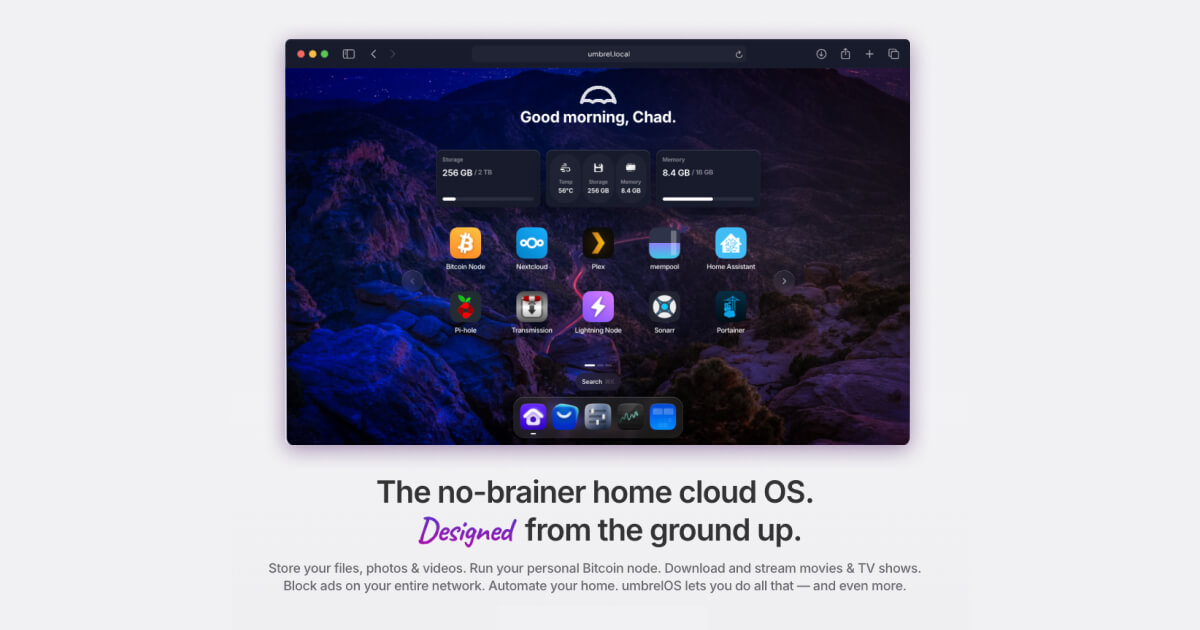
umbrelOS - An elegant OS for your home server
The ultimate OS for self-hosting and running a home cloud. Install in one click on a Raspberry Pi, NUC, or a VM to use apps like Nextcloud, Jellyfin, Bitcoin node, and more.