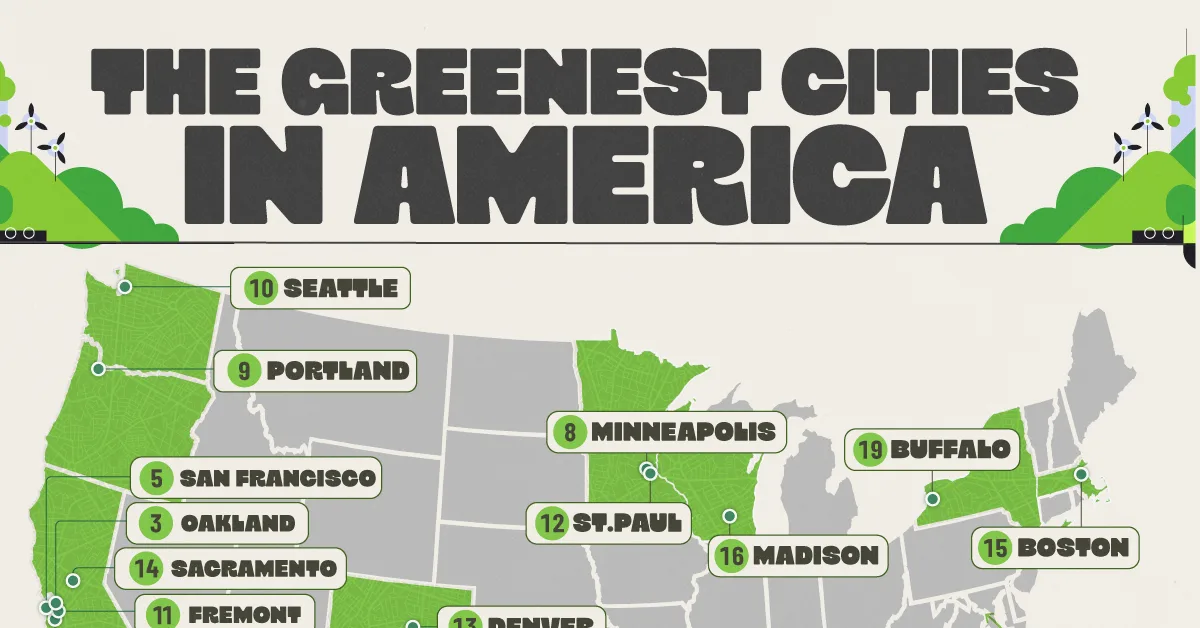
The 2025 ranking of America’s greenest cities reveals San Jose, CA in the #1 spot, followed by Washington, D.C.
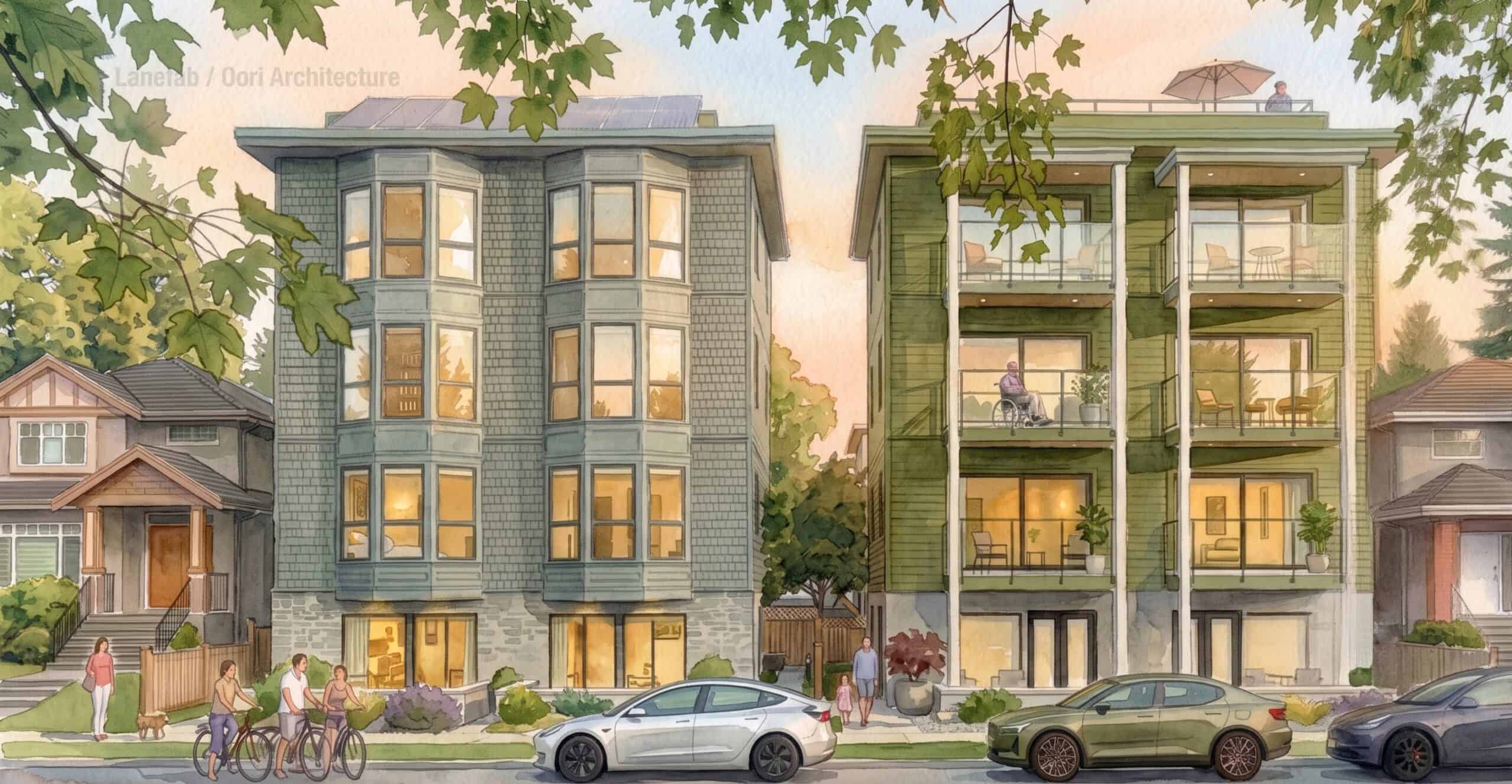
In Pictures: The Possibilities of Vancouver’s New Villages Plan | Sightline Institute
The Four/Five design prioritizes green space, daylight, affordability, and accessibility—all for greater connection and community.
From Redlining to Greenlining: The Political Ecology of Race, Class, and Access to Green Space in Oakland, California from 1937-2020
Author(s): Corbin, Chryl Natasha Elaine | Advisor(s): Morelli-Frosch, Rachel | Abstract: Since the 1960s, Oakland, California, has been represented as a predominantly African American, low-income, and high crime urbanity. In the 2000s, the municipality started to become recognized as a top green city, and by the 2010s the city began to emerge as a gentrification hot spot. This dissertation elucidates how the relationships between race, class, housing, and access to green spaces have changed from redlining—prior to the Civil Rights Acts of 1964, 1965, and 1968—to 2020, after Oakland adopted an environmental agenda and began to establish itself as a green city starting in the 1990s. I question how Oakland’s urban environmental “sustainable development” agenda has impacted residents’ access to green spaces, and to what extent and how are these policies and practices creating, exacerbating, and/or mitigating urban environmental (in)justice issues. I examine both sides of environmental (in)justice, uneven distribution of environmental harms and the uneven development of environmental goods in which low-income residents and communities of color are disproportionally exposed to environmental hazards while also being prevented from benefiting from environmental amenities. I interrogate Oakland as a 21st century sustainable green city while also examining the historical urban policies and practices embedded in legal residential segregation and the current green gentrification processes which influence and contribute to the environmental (in)justices being (re)produced today.

The world’s most liveable cities in 2024
Our sister company has rated the best, and worst, cities in which to live

Urban problems: nature-based solutions and a Green New Deal everywhere
Nature-based Solutions with localised Green New Deals could save our settlements, and provide a just transition to a low-carbon society

The Coming Ecological Cold War
How the green transition is reshaping geopolitics
Introduction - SITUATIONAL AWARENESS: The Decade Ahead
Leopold Aschenbrenner, June 2024 You can see the future first in San Francisco. Over the past year, the talk of the town has shifted from $10 billion compute clusters to $100 billion clusters to trillion-dollar clusters. Every six months another zero is added to the boardroom plans. Behind the scenes, there’s a fierce scramble to

SustainOSS: The Report
On June 19th, 2017, one hundred people gathered in San Francisco to create a cultural shift in how we think about the sustainability of…

Rethinking the Smart City: Democratizing Urban Technology - RLS-NYC
Following the celebration of the “creative city” (as described by Richard Florida), the “smart city” has become the new flavor of the month—and a brand. It makes clever use of resources, and it attracts money, corporate power, and private industries. Offering us cheap, effective solutions to social and political problems, the smart city is functional, […]

What If California Is the Most Regressive State in America?
California ranks dead last in cost-of-living-adjusted poverty among all 50 states. A native Californian makes the case that Prop 13, NIMBY housing policy, and stroads make it the most regressive state in America.
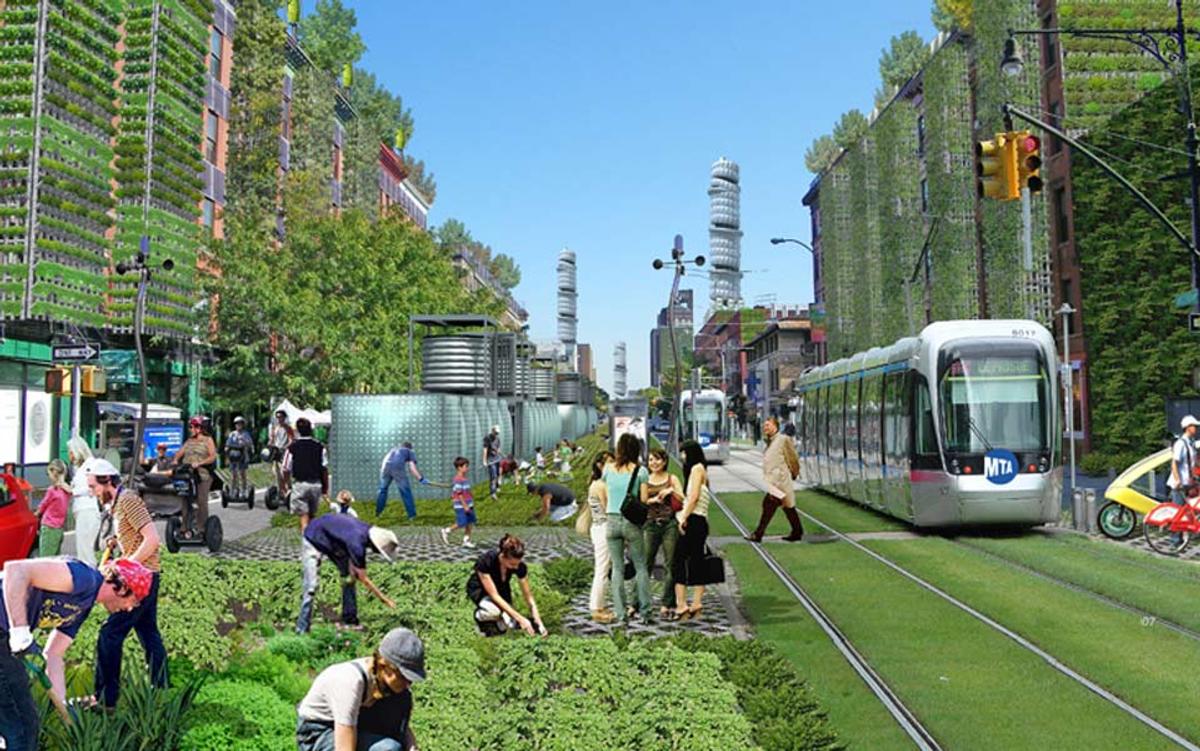
NYC: can this city-state be completely self-reliant? | Aeon Essays
Green living in NYC need not be simple living – think skyscraper farms, meat-production towers and revamped aqueducts
The First Map of Oakland, California: An Historical Speculation as Solution to an Enigma on JSTOR
Jack J. Studer, The First Map of Oakland, California: An Historical Speculation as Solution to an Enigma, California Historical Society Quarterly, Vol. 48, No. 1 (Mar., 1969), pp. 59-71
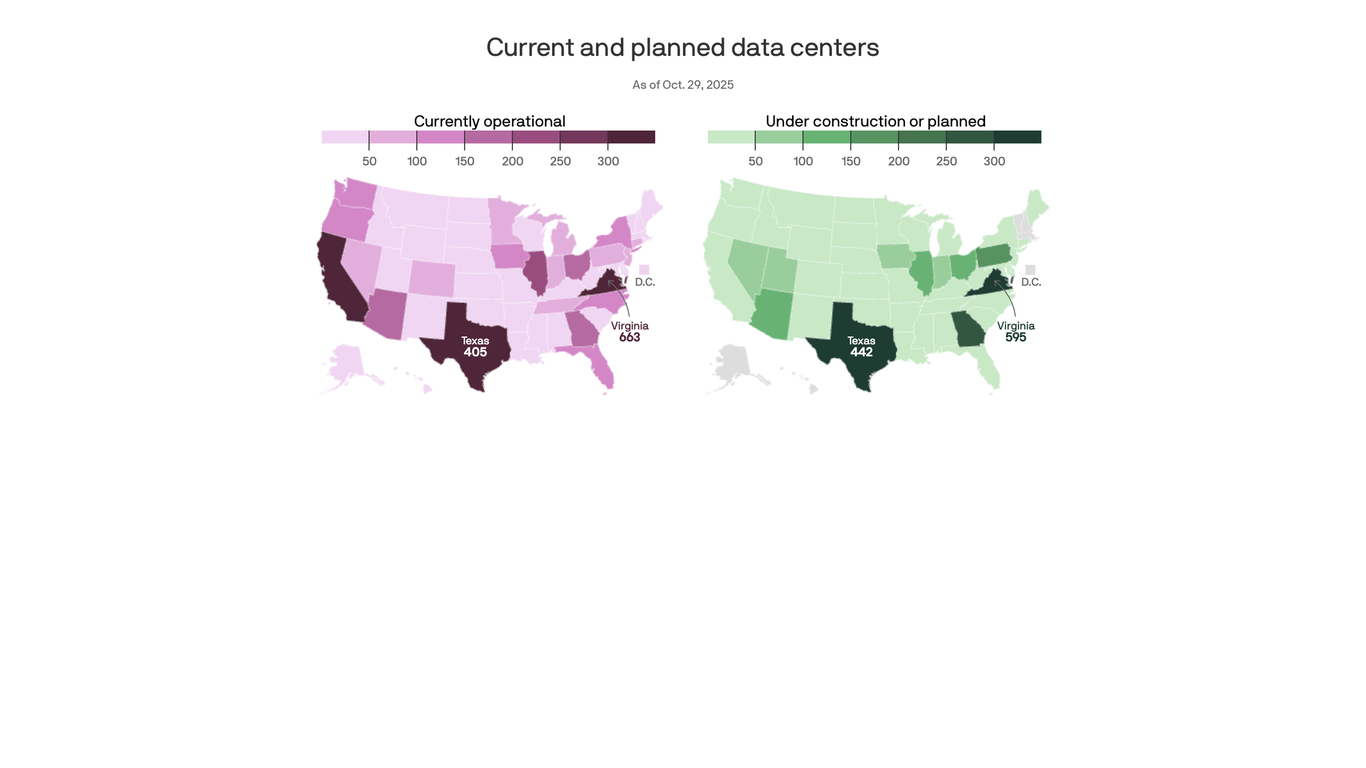
America's data center growth hot spots, mapped
Virginia and Texas lead the way, but they're becoming a major political fight.
How America will collapse (by 2025)
Four scenarios that could spell the end of the United States as we know it -- in the very near future
25 Things I wish I knew before moving to San Francisco
I moved to San Francisco 9 months ago from the East Coast bastion of Boston. Despite having experience living in a major US city, I found quite a few surprises coming here. Some have been great, w…
Vancouver election 2026: Candidates and voting
Vancouver votes October 17, 2026. Sourced profiles of every candidate for mayor, council, park and school board, plus polls, parties and voting places.