


A growing number of thinkers say factory farming can help save the planet. Are they right?
INVESTING IN REGENERATIVE AGRICULTURE AND FOOD
THE INVESTING IN REGENERATIVE AGRICULTURE AND FOOD PODCASTThrough 400+ interviews with farmers, investors, scientists, and entrepreneurs, the podcast puts the spotlight on the pioneers in the regenerative food and agriculture space to learn more on how to put our money to work to regenerate soil, people, local communities and ecosystems while making an appropriate and fair return.
Plant-based meat has been relentlessly — and unfairly — attacked as “ultra-processed.” Can the industry save itself?
Beyond Meat and Impossible Foods are placing big, divergent bets on the future of meat. Who will win?

Farming is Why Humanity is Fucked
A mind-shattering concept from a first-year university class that upended how I think about humanity. Daniel Quinn's Ishmael trilogy argues that totalitari…
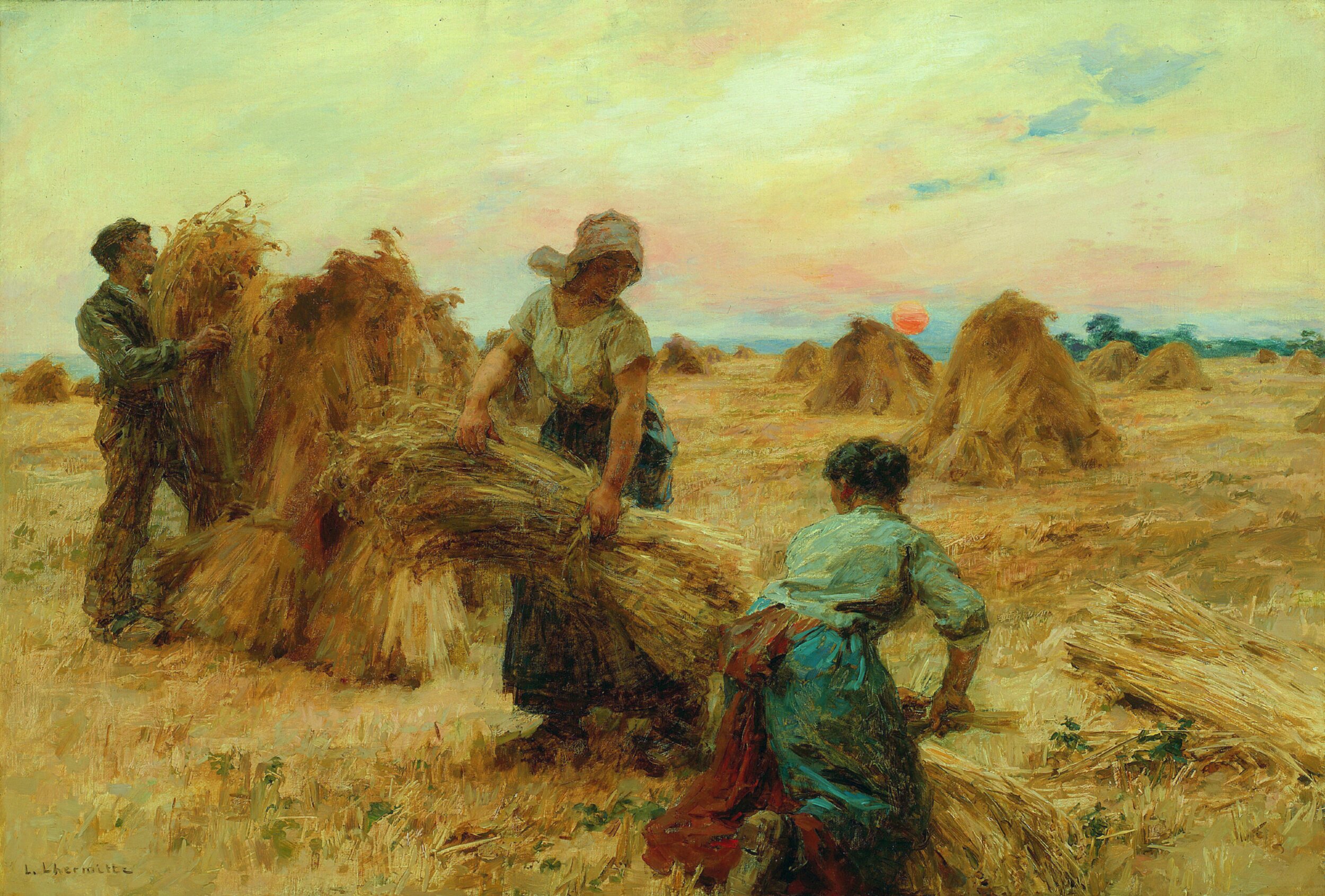
So can we really feed the world? Yes -- and here's how
Nathanael Johnson spent six months asking if we could support small farmers, protect the planet, and end hunger. This is what he learned.
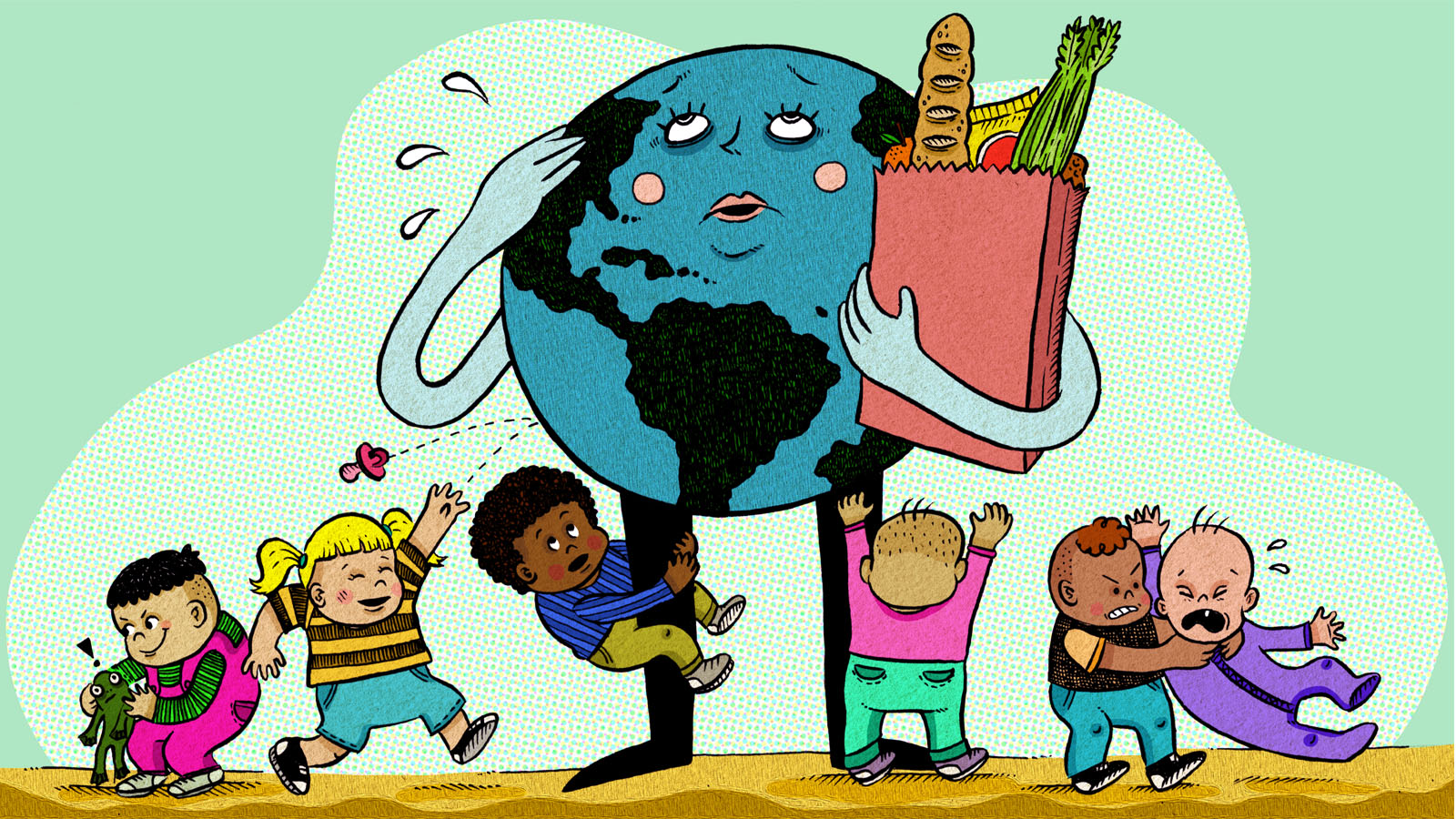
Open-sourced food production – the future of urban diets?
Scientists are developing open-source technologies that reward locally grown foods, cutting down on shipping and improving nutrition
The future is made of energy | Orca Notes
A megatrend way bigger than decarbonization is probably the key to abundance and sustainability both.
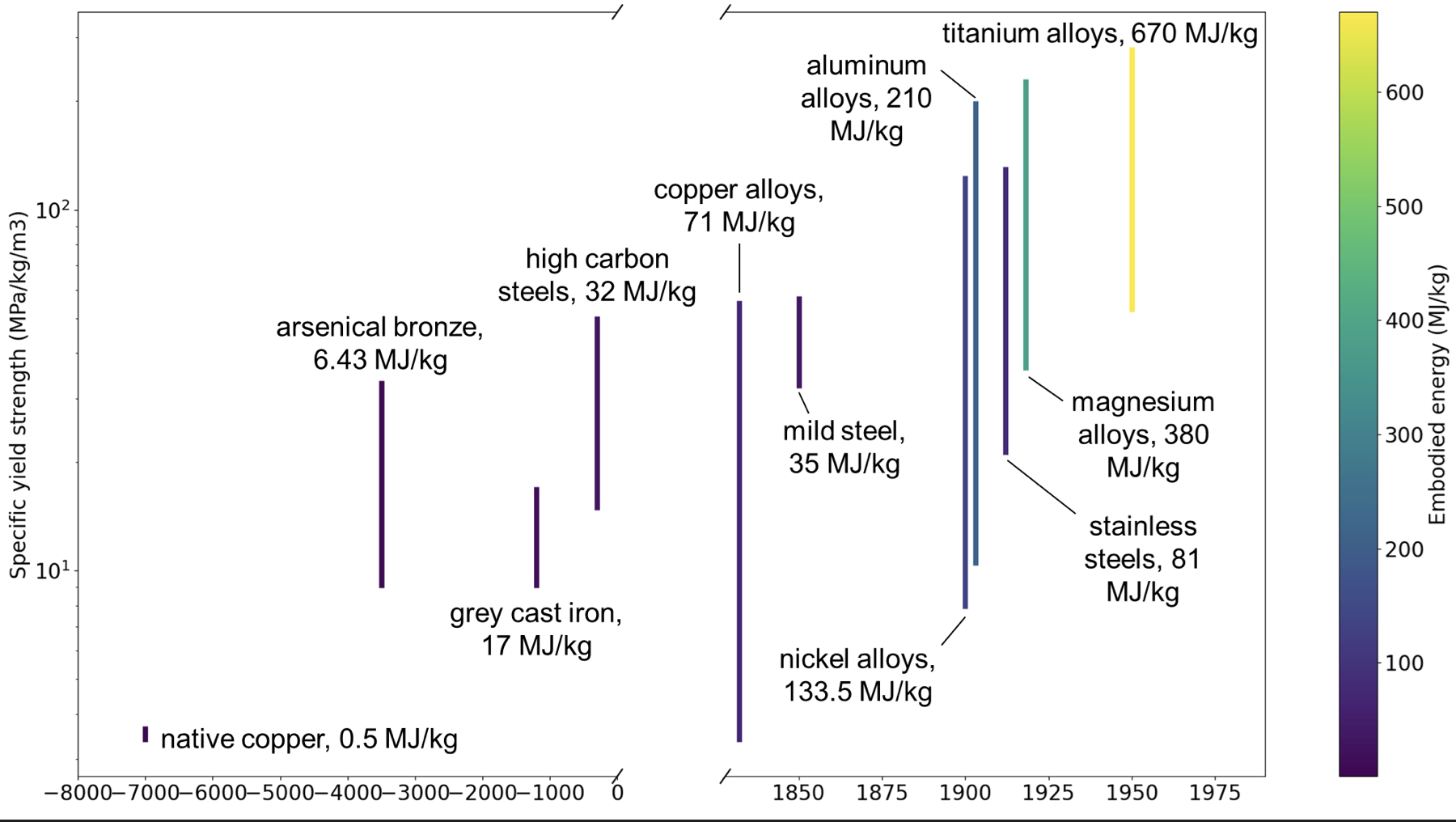
Sustainability is not enough: we need regenerative cultures
By Daniel C. Wahl

Regenerative Economics
Regenerative economies strengthen social and ecological systems. It's time for economics education to show us how.

Seven Key Elements of an Economy of Abundance
Our present economy is an economy of scarcity – only scarce commodities have economic value. Therefore there are strong incentives to make everything into a scarce commodity - first by making it into a commodity, and then by assuring that the demand for that commodity exceeds its supply, either by controlling supplies or by inflating demand, or doing both at the same time. This economy of scarcity leads to environmental destruction because the natural environment is treated as a “free” good to consume or pollute until it becomes scarce enough to commodify and monopolize. It also leads to social inequality because the major avenue to wealth is to control key assets and then make them scarce for everyone else, thus extracting profits.
Brett Scott (@brettscott)
A lot of economists want to claim that economic growth is, at some deep level, driven by human greed. In this worldview, we always desire more and more, and so collectively seek to endlessly boost production I don’t buy this worldview at all I think economic growth is driven - at a deep level - by fear. It stems from the extreme insecurity of life in a capitalist market system, where you’re always on the verge of being cut out of society, and so need to over-secure your position through any means possible One of the most compelling pieces of evidence for this is the history of colonial beliefs around laziness. In many colonial regions, colonizers would complain about tribal people being lazy - in other words, not seeking to increase production when they could. The reason for this, however, was that such people had access to subsistence farming and secure social structures that did not require endless competition. Secure people are, by definition, ‘lazier’, in the sense that they do not perceive a visceral need to fight for survival The colonial mission then, was the cut them off from older means of survival, make them dependent on insecure market structures, and thereby boost production as they all turn up at the mines to elbow each other out of the way as they compete for jobs. Security, in other words, is the enemy of economic growth

This is how we build the future: Teaching Regenerative Economics at all levels with Jennifer Brandsberg-Engelmann
How do we let go of the sense of scarcity, separation and powerlessness that defines the ways we live, care and do business together? How can we best equip our young people for the world that is coming - which is so, so different from the future we grew up believing was possible?

The Seas Will Save Us: How an Army of Ocean Farmers are Starting an Economic Revolution
I’m a fisherman who dropped out of high school in 1986 at the age of 14. Over my lifetime, I’ve spent many nights in jail. I’m an…

A clean break꞉ leaving fossil volatility for clean tech security
Shifting from the vulnerability of fossil fuel dependency toward home-grown manufacturing and more resilient clean tech imports

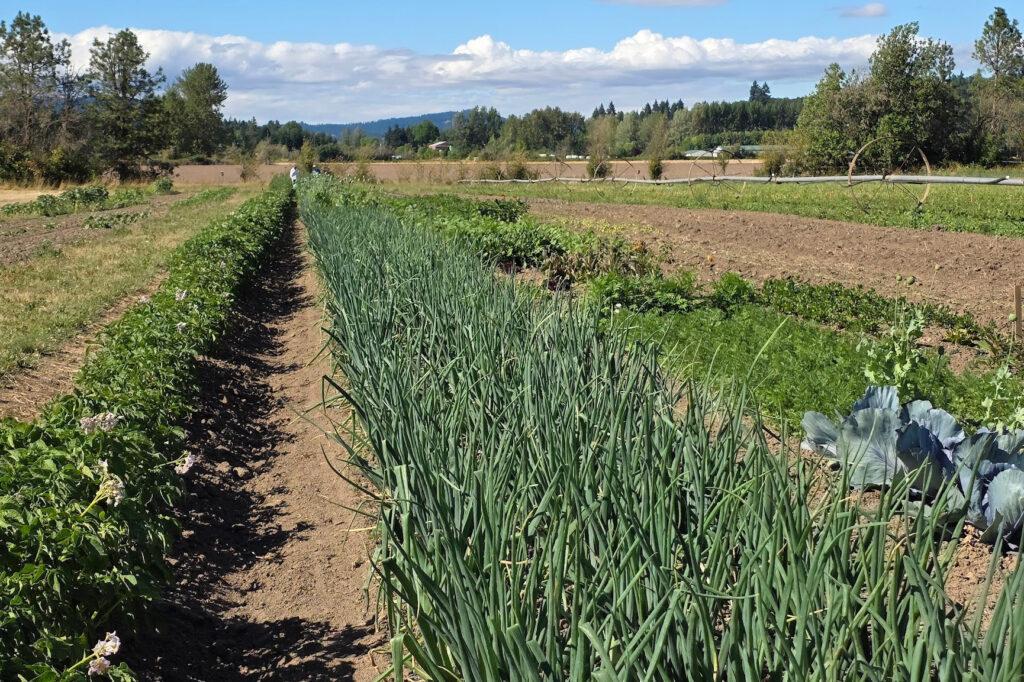
We started a farming club. Why you should start one too
We are long overdue for a return to growing our own food, and the farming club offers a promising way to reconnect with that tradition.
Some recent developments in controlled-environment agriculture: on plant physiology, sustainability, and autonomous control
In this review, we highlight some recent developments in controlled-environment agriculture (CEA), discuss its sustainability and provide a future outlook, mainly based on recently published work f...
