


The United States is turning 250. Everything we want for the next 50 years starts with fixing housing.
The housing theory of everything - Works in Progress Magazine
Western housing shortages drive inequality, climate change, low productivity growth, obesity, and even falling fertility rates.

More Housing is Possible: a National Town Hall · Burhan for State Senate
Join Vice Mayor Burhan Azeem and the people behind the Montana Miracle, California’s SB79, and the ROAD to Housing Act to discuss recent wins and what comes next for the housing movement. Speakers will dig into the policy that's moving the needle, the campaigns and organizing that got us here, and how local leadership can turn big ideas into more homes. Expect sharp takes, lively panels, and the collective brainpower of the country's most effective housing advocates in one (virtual) room.

Seniors Are Fighting New Senior Housing as US Faces Shortage
America’s elders need more places to live, but even in liberal enclaves that recognize the problem, developers are facing the fiercest foes of all: America’s elders.

The case for environmentally sensitive housing
If we are serious about providing the best quality homes we must regenerate the empty built environment. Sustainability would be good too

Almost nowhere in California is building enough, according to the state. Here’s why
California ordered cities and counties to plan for 2.5 million new homes by 2030. Only five jurisdictions are on track to hit their numbers.

Communities Across the Nation Want to Add Housing. Which Metropolitan Areas Are Adding the Most?
Between 2020 and 2025, four Texas metropolitan areas—Austin, Dallas, Houston, and San Antonio—accounted for 13.3 percent of total US housing supply growth.

Opinion | One City Might Have Just Cracked the Housing Crisis
A large real estate development in the middle of Vancouver, British Columbia, shows how cities can build more housing.

Glass Half Full: Building a Decarbonized U.S. Power Sector -
The Inflation Reduction Act of 2022 (IRA) was built, sold, and attacked as the largest climate investment in U.S. history. […]
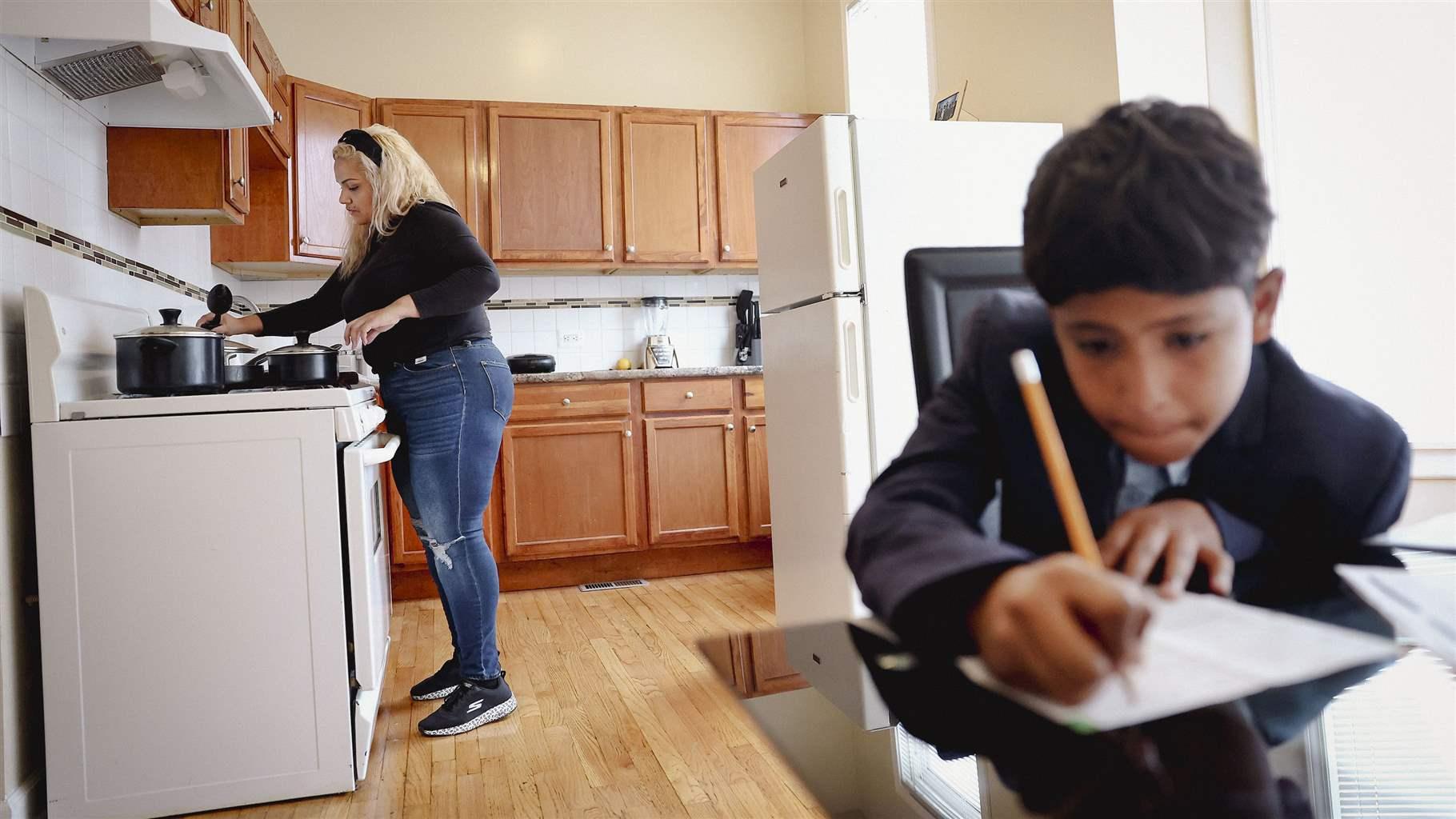
The Housing Shortage Is a Major Driver of Poverty
Housing costs are usually the largest item in a household’s budget and can determine a family’s financial stability.
The Case for Reparations
Two hundred fifty years of slavery. Ninety years of Jim Crow. Sixty years of separate but equal. Thirty-five years of racist housing policy. Until we reckon with our compounding moral debts, America will never be whole.

Home - Right to Repair Europe
We believe products should last longer and be easy to repair. We are asking for the right to repair in Europe. Join the movement!

Housing ladder spillovers
Rich newcomers can raise low-end rents, and adding high-end homes can lower them
A Low-Cost Ownership Oasis in a Desert of Apartment Unaffordability
When this California housing cooperative began more than 30 years ago, it wasn’t the most affordable place to live. But now, it is.

Debt is Coming
Ten years from now, what seismic change will we reflect back on and think, “well that was pretty obvious, in retrospect”? Debt is going to finally come to the tech industry. We can hat…

The Folk Economics of Housing
Why is housing supply so severely restricted in US cities and suburbs? Urban economists offer two primary hypotheses: homeowner self-interest and political fragmentation. Homeowners, who outnumber and have organizational advantages over renters, are said to lobby against development to protect their property values. The fragmentation hypothesis emphasizes that development's negative externalities are borne locally while most of the benefits accrue regionally or nationally, leading localities to block housing. This paper offers another explanation: ordinary people simply do not believe that adding more housing to the regional stock would reduce housing prices. Across three original surveys of urban and suburban residents, only a minority of respondents say that a large, positive, regional housing supply shock would reduce prices or rents. These beliefs are weakly held and unstable (suggesting people have given the issue little thought), but respondents do have stable views about who is to blame for high housing prices: developers and landlords. Large, bipartisan supermajorities support price controls, demand subsidies, and restrictions on putative bad actors, policies which they believe would be more effective than supply liberalization for widespread affordability. We discuss the implications of these findings for efforts to expand the supply of housing.
New housing reforms could save more than $40,000 per home
Under Governor Gavin Newsom's new housing affordability reforms, several state housing financing programs will now be brought together under one roof.
