

This document represents the consensus opinion of the Mozilla Foundation and Opera Software in the context of standards for Web Applications and Compound Documents.
Who Shapes Web Standards? Uncovering the Main Topics of Interest in the W3C
Web Platform Design Principles
Copyright © 2026 World Wide Web Consortium. W3C® liability, trademark and permissive document license rules apply.
12 November 2025 | Isolated Web Apps - Current state and future direction | Calendar
The World Wide Web Consortium (W3C) is an international community where Member organizations, a full-time staff, and the public work together to develop Web standards.

Working on HTML5.1
The World Wide Web Consortium (W3C) is an international community where Member organizations, a full-time staff, and the public work together to develop Web standards.
The W3C At Twenty-Five — Smashing Magazine
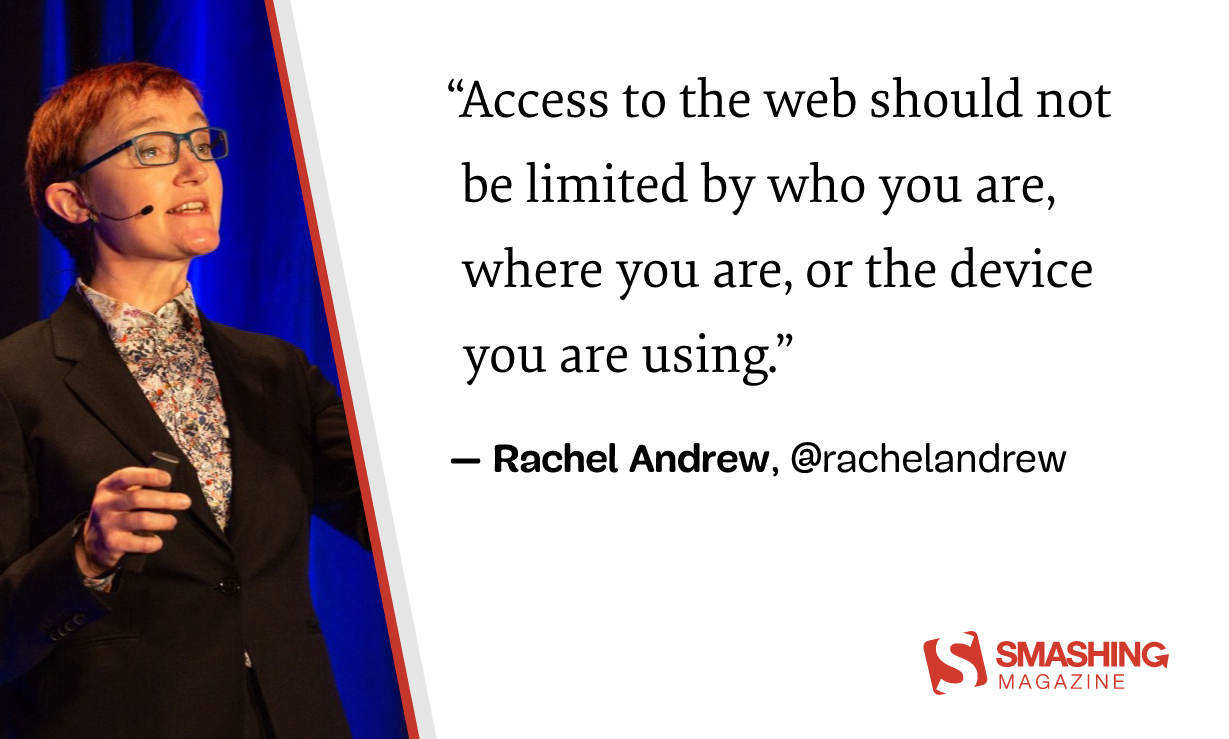
The W3C celebrated its 25th anniversary on the 1st of October 2019. In this article, Rachel Andrew explains how the W3C works and shares her “Web Story” to explain why the Web Standards process is so vitally important for everyone to have an open web platform where they can share their stories and build awesome things for the web together.
Angelina Fabbro | Return of Inspector Web: Web Components a Year Later | Fronteers 2013
A little over a year ago at JSConf EU, Angelina tried to inspire developers to take an interest in Web Components, which includes Shadow Dom, HTML Templates, HTML Imports, and Custom Elements. In this talk we'll take a look at how far we've come in a year: what has been implemented, what hasn't, the current state of the relevant specifications, and discuss various frameworks and libraries that have emerged either with patterns similar to web components or embracing the technology completely. We will take a look at these changes, and also dive into some code for a comprehensive overview of 'the state of things' - spoiler: it's still always changing.

Reforming the W3C TAG - Infrequently Noted
Alex Russell on browsers, standards, and the process of progress.
WebAssembly Browser Preview – Mozilla Hacks - the Web developer blog
Since the last WebAssembly milestone we reached in March, we’ve been hard at work in the WebAssembly Community Group to define a standard and to implement that standard in our ...

BFTML/docs/motivations.md at main · npetrangelo/BFTML
Blazingly Fast Text Markup Language. Standards designed for web apps. Browser implementation in Rust. - npetrangelo/BFTML
Vision for W3C
Copyright © 2025 World Wide Web Consortium. W3C® liability, trademark and permissive document license rules apply.
BFTML/docs/notes.md at main · npetrangelo/BFTML
Blazingly Fast Text Markup Language. Standards designed for web apps. Browser implementation in Rust. - npetrangelo/BFTML
The state of Web Components – Mozilla Hacks - the Web developer blog
Web Components have been on developers' radars for quite some time now. They were first introduced by Alex Russell at Fronteers Conference 2011. The concept shook the community up and ...

Progress report on cross-platform Open Web Apps – Mozilla Hacks - the Web developer blog
Here in the Hacks blog we've written a lot about building apps for Firefox OS using HTML, JS, and CSS. We're working to ensure that those same apps can also ...
Web Standards We Want: Part I — Chapters
The Web is 25 this year, and on this its silver anniversary, there is a new campaign called (The) Web We Want. Its 5 guiding principles are…
W3C to become a public-interest non-profit organization
By incorporating, W3C is replacing its original Hosted model and boosting its crucial web standards work