

Privacy is an essential part of the web. This document provides definitions for privacy and related concepts that are applicable worldwide as well as a set of privacy principles that should guide the development of the web as a trustworthy platform. People using the web would benefit from a stronger relationship between technology and policy, and this document is written to work with both.
Privacy Principles
Privacy is an essential part of the web. This document provides definitions for privacy and related concepts that are applicable worldwide as well as a set of privacy principles that should guide the development of the web as a trustworthy platform. People using the web would benefit from a stronger relationship between technology and policy, and this document is written to work with both.
The web should remain anonymous by default | The Mozilla Blog
The unique architecture of the web enables a much higher degree of user privacy than exists on other platforms. Many factors contribute to this, but an ess

Ethical Web Principles
The web should be a platform that helps people and provides a positive social benefit. As we continue to evolve the web platform, we must therefore consider the consequences of our work. The following document sets out ethical principles that will drive W3C's continuing work in this direction.
Home
A socially motivated website which provides information about protecting your online data privacy and security.
A Cypherpunk's Manifesto
Privacy is necessary for an open society in the electronic age. Privacy is not secrecy. A private matter is something one doesn't want the whole world to know, but a secret matter is something one doesn't want anybody to know. Privacy is the power to selectively reveal oneself to the world.
Measuring the Privacy Experience
How do you know that a product respects your privacy – other than by wading through the fine print? We’ve created a framework to measure the way people actually experience privacy in tech products.
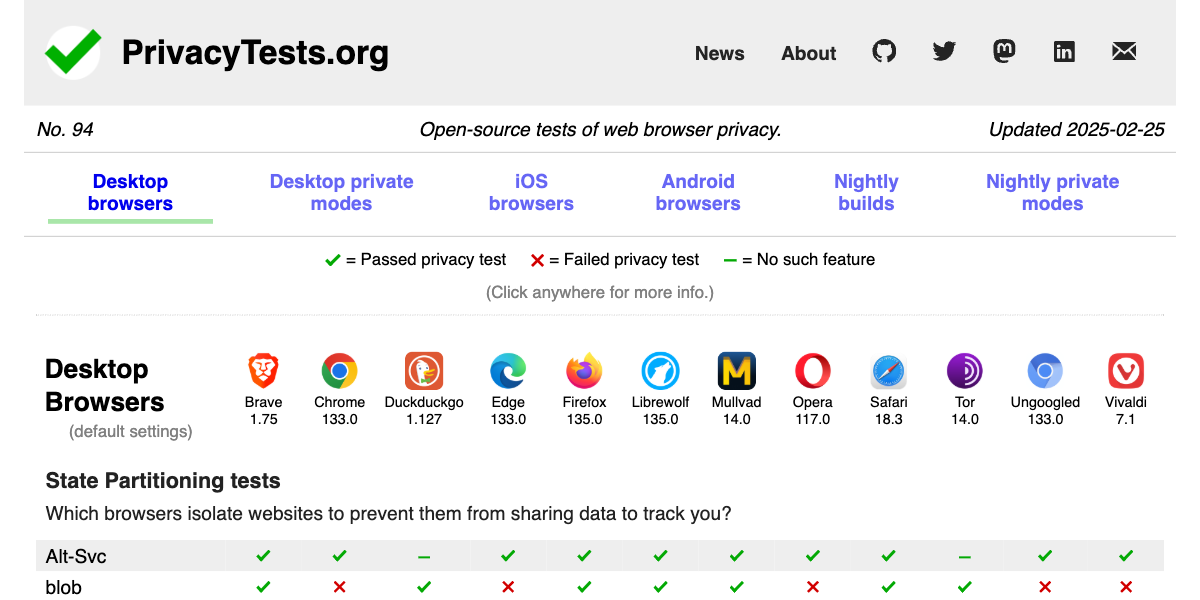
Which browsers are best for privacy?
An open-source privacy audit of popular web browsers.
Opinion | How to Save the Web (Published 2018)
Governments, businesses and users around the world must commit to a set of fundamental principles for the web.


Privacy and human behavior in the age of information
This Review summarizes and draws connections between diverse streams of empirical research on privacy behavior. We use three themes to connect insights from social and behavioral sciences: people's uncertainty about the consequences of privacy-related behaviors and their own preferences over those consequences; the context-dependence of people's concern, or lack thereof, about privacy; and the degree to which privacy concerns are malleable—manipulable by commercial and governmental interests. Organizing our discussion by these themes, we offer observations concerning the role of public policy in the protection of privacy in the information age.

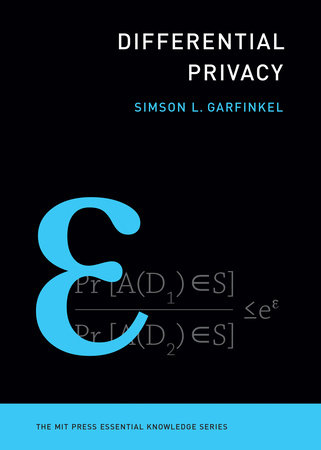
Differential Privacy
A robust yet accessible introduction to the idea, history, and key applications of differential privacy—the gold standard of algorithmic privacy protection
Privacy Architectures: Reasoning About Data Minimisation and Integrity
Privacy by design will become a legal obligation in the European Community if the Data Protection Regulation eventually gets adopted. However, taking into account privacy requirements in the design of a system is a challenging task. We propose an approach based on the specification of privacy architectures and focus on a key aspect of privacy, data minimisation, and its tension with integrity requirements. We illustrate our formal framework through a smart metering case study.

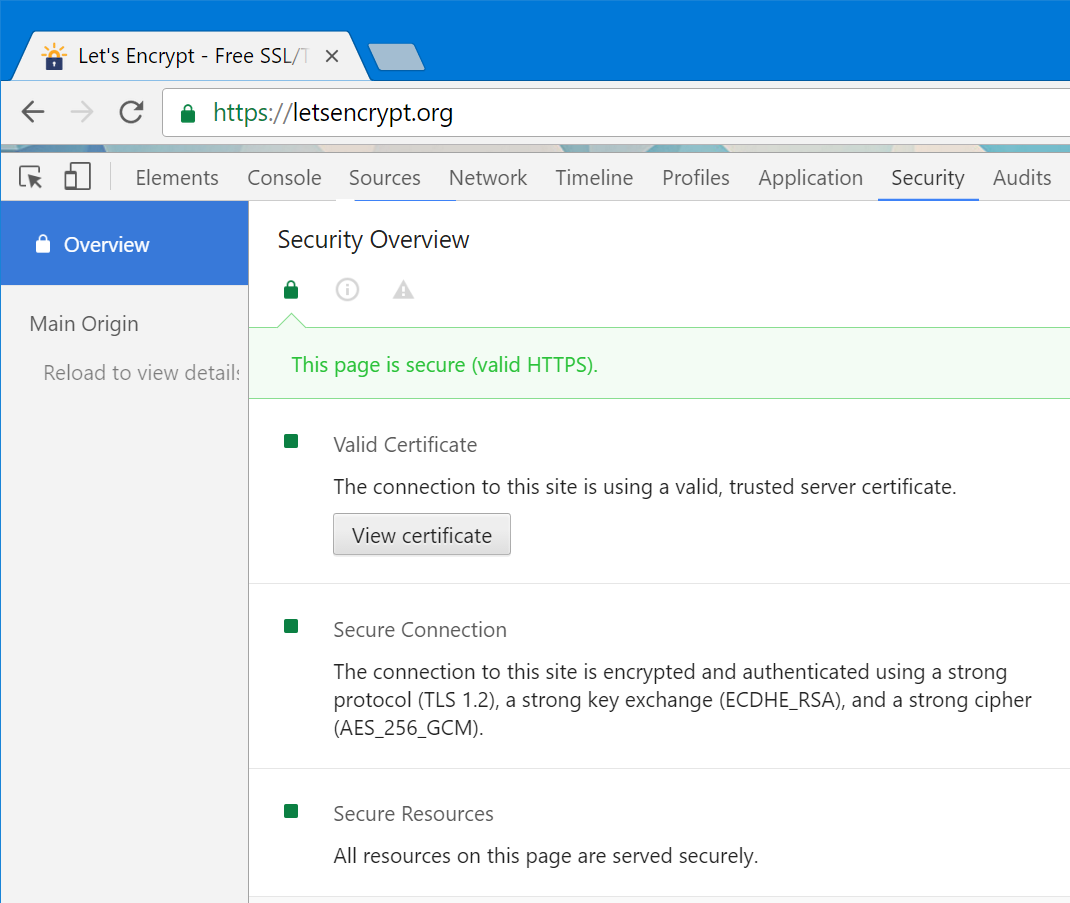
Let’s Encrypt Everything
I’ll admit I was late to the HTTPS party. But post Snowden, and particularly after the result of the last election here in the US, it’s clear that everything on the web should be encrypted by default. Why? 1. You have an inalienable right to privacy, both in
Yikes. For anyone interested in more information about this, I recommend checking out @privacyguides.org : discuss.privacyguides.net/t/privacy-com-uses-identity-v…

Privacy.com uses identity verification service Persona, which will keep biometric information for "up to" 3 years
discuss.privacyguides.net