

American capital financed AI on the assumption it would be the next great monopoly. Open-weight models are commoditizing the capability that monopoly was supposed to protect. The collision between the two now defines the direction of the U.S. AI industry — and the country.
The AI Buildout and the Material Trap
Why Strategic Necessity, Physical Bottlenecks, and Unsettled Economics Are Forcing Capital into a Constrained System

The AI bubble isn’t new — Karl Marx explained the mechanisms behind it nearly 150 years ago
OpenAI CEO Sam Altman’s warning of an AI bubble highlights a deeper economic problem: capitalism is producing more capital than it can profitably invest.

Regulation & Market Design | Windfall Policy Atlas
What rules and institutional structures will shape how AI-driven economic value is created and distributed?

AI Commons - One Project
What if we could redefine AI? What if we could shift its development from a capitalist model to a more disruptive, inclusive, and decentralized one?

Meredith Whittaker on Twitter / X
Now that even Goldman, Sequoia, and other major investors are calling it, it's good to remember that the shakiness of the AI market, and the mismatch between capex and ROI, has been clear for a long time to those of us who look closely at the political economy of AI. https://t.co/dLLNAcW5Sn— Meredith Whittaker (@mer__edith) July 30, 2024
Open Weights and American AI Leadership
Open weight AI can expand access, strengthen competition, improve security, and help sustain American AI leadership.

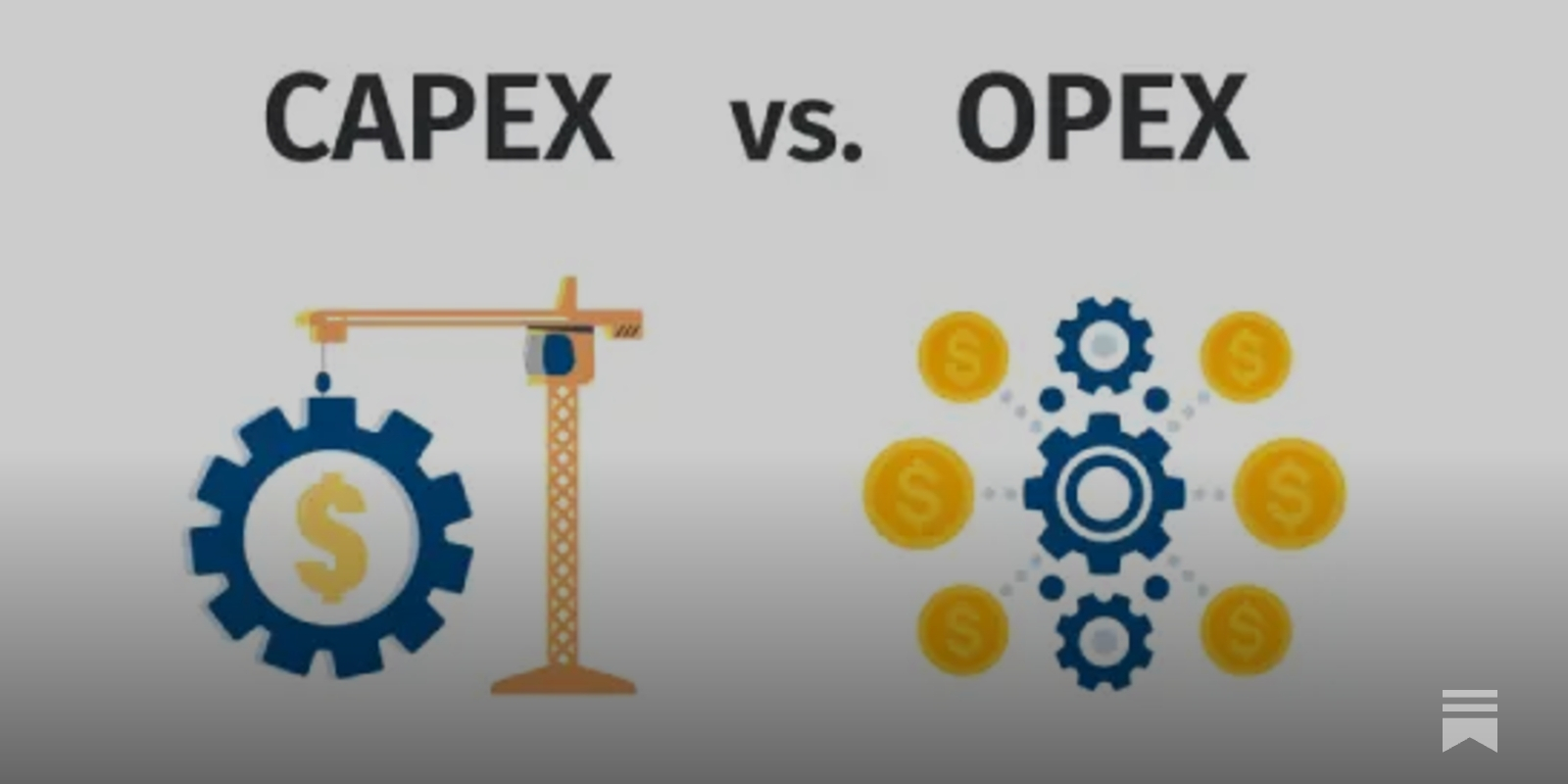
Anything That Can Be Capitalized Eventually Gets Operationalized
A structural pattern has reshaped servers, labor, and software licenses. AI is now running the same playbook — simultaneously — on software production and human capital.
Who Pays for the Commons?
Three and a half years after the emergence of generative AI as a new technology paradigm, there is broad agreement that AI companies have extracted enorm...

AI is probably not a bubble
AI companies have revenue, demand, and paths to immense value

AI is probably not a bubble
AI companies have revenue, demand, and paths to immense value

Open-weight AI is having its Kubernetes moment. Let's not ruin it. | Tobi Knaup
Open-weight models are becoming the foundation for the next AI ecosystem. The US should compete in it, not wall itself off.

Don’t Believe the Hype — or Doom — About AI
For America’s VC-dominated tech industry, AI hype isn’t just a crazy by-product — it’s a structural part of the US economy in which capital tries to write our destinies. We shouldn’t let it.
Pluralistic: IP can’t save you from AI (18 Aug 2026) – Pluralistic: Daily links from Cory Doctorow
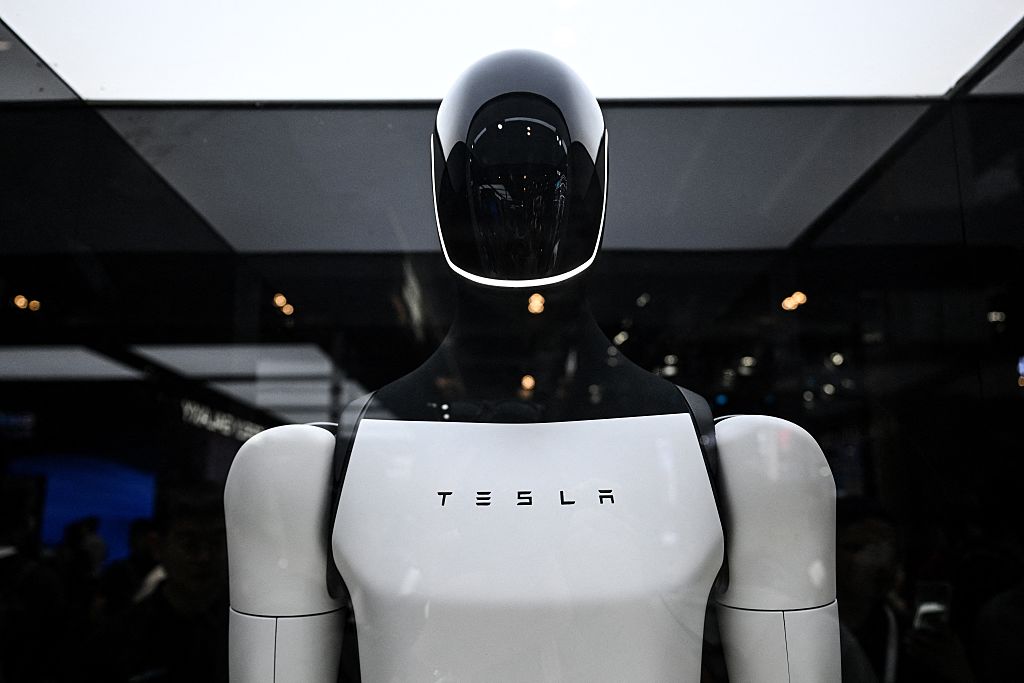
You don't have to believe that AI "art" is any good (I don't), nor do you have to believe that AI "art" can be any good (I don't) to understand that the reason that the capital markets are putting trillions into AI is that they believe they can fire workers of every kind and replace them with AI:
AI Benefits - But at What Cost?
In 2026 we can all agree that AI and agentic development are certainly exciting topics which many see yielding great productivity gains. But as the investor-subsidized pricing of these services gives way to realistic and profitable business models, where will the real costs land?

"The forces that are now shaping AI are the same forces that turned the open internet into monopolistic platforms, converted peer-to-peer participation into precarious labor, and enclosed the digital commons. They are now threatening to capture and enclose thought itself." osf.io/preprints/socarxiv/qahd3_v1/
