Air pollution fell substantially as the city restricted car traffic and made way for parks and bike lanes.
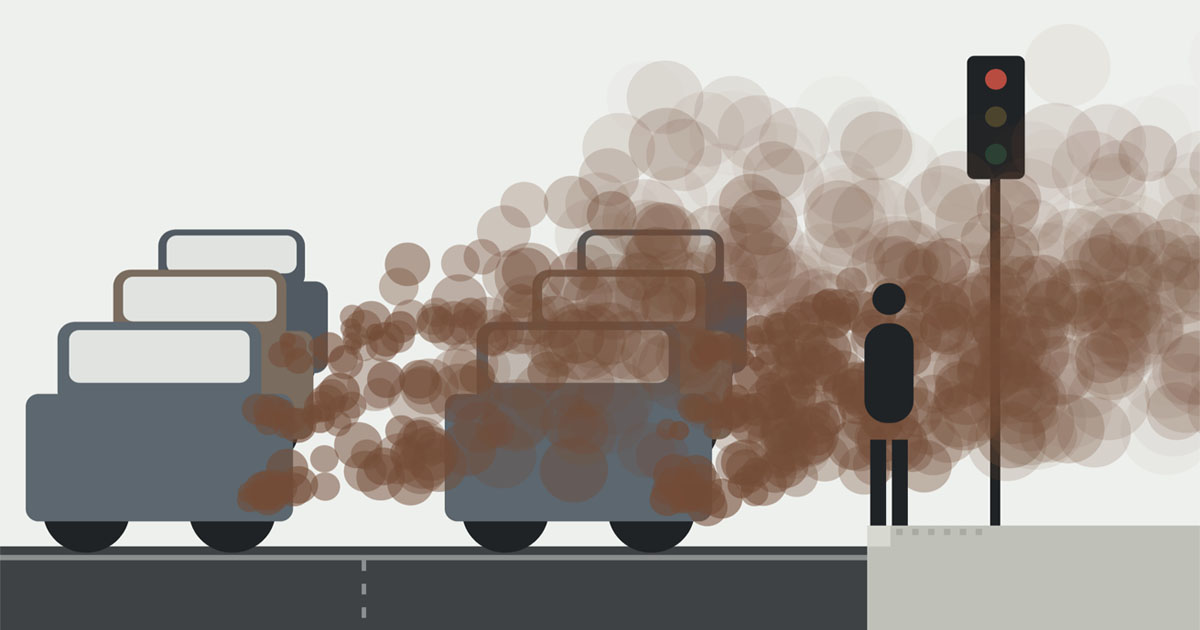
'Step back' - air pollution at pedestrian crossings
Every busy road produces a cloud of pollution you can't see. Where you stand in it matters more than most people might realise.
Cyclists 'exposed to less air pollution than drivers' on busy routes
Study shows people in cars and buses spend longer in toxic air, as do walkers on main roads
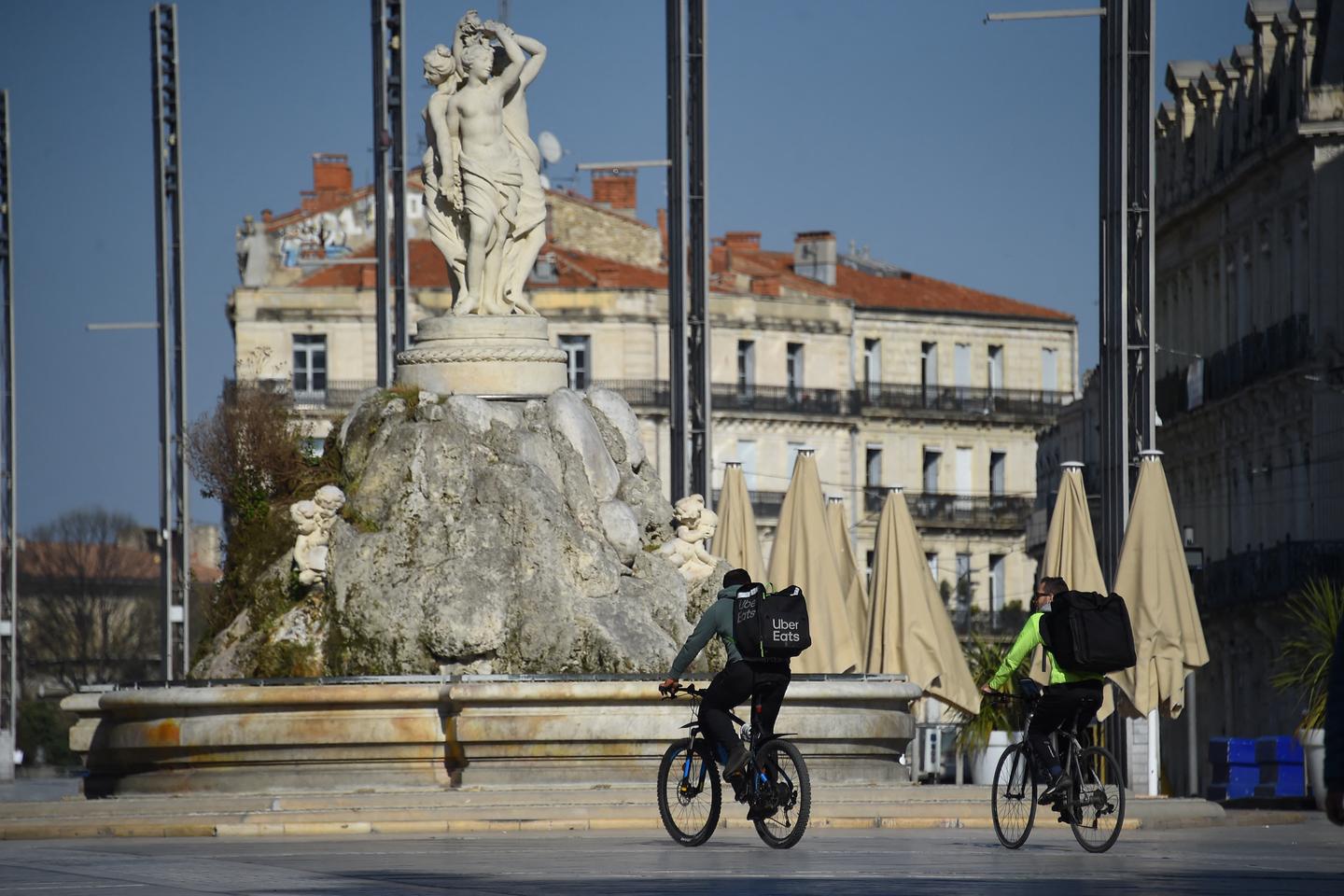
De la pollution de l’air à l’usage du vélo, l’impact sanitaire des choix d’urbanisme évalué
L’agence Santé publique France publie jeudi une étude menée dans trois métropoles pour évaluer les leviers environnementaux permettant de réduire la mortalité des populations urbaines.
Pollution · Patrick Collison
Air pollution is a very big deal. Its adverse effects on numerous health outcomes and general mortality are widely documented. However, our understanding of its cognitive costs is more recent and those costs are almost certainly still significantly under-emphasized. For example, cognitive effects are not mentioned in most EPA materials.
The economic cost of air pollution in Europe - Clean Air Fund
Air pollution causes €600 billion in losses each year in the European Union – equal to 4% of annual GDP. Implementing clean air measures boosts economic growth by €50 billion to €60 billion every year, according to Bruegel’s new analysis.
Exposure to air pollution is linked to an increase in violent crime
Dirty air may be even more dangerous than previously thought

Reducing car dependence: benefits, strategies, unintended consequences, and future directions of post-car urban transitions
This paper presents the state of the art of post-car urban transitions. It begins with an overview of the impact of automobility on planetary and human well-being. The benefits of post-car cities a...

Paris : moins de voies dans le centre, plus de pollution sur le périphérique | blog afse
Contact :Secrétariat de l'AFSE c/o Secrétariat du LEDA-DIAL Université Paris Dauphine Place du Maréchal de Lattre de Tassigny 75116 PARIS
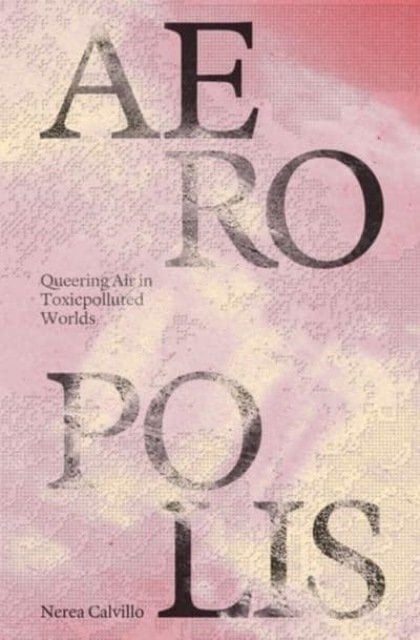
Aeropolis – Queering Air in Toxicpolluted Worlds
Check out Aeropolis – Queering Air in Toxicpolluted Worlds - How do we get to know air? <i>Aeropolis: Queering Air in Toxicpolluted Worlds</i> offers a speculative and interdisciplinary framework to reorient common understandings of air and air pollution as matter “out there.” <i>Aeropolis</i> contests regimes of managing air which ultimately operate toward upholding dominant modes of world-making that are dependent on forms of exclusion and inequity. Instead, <i>Aeropolis</i> proposes that air is thought of as a city, to center its social, cultural, political, ecological entanglements. Drawing upon feminist technoscience and queer ecological frameworks, <i>Aeropolis</i> moves away from solutions toward a methodology of “designing-thinking-making” that redirects and connects our understandings of air—as designers, as citizens—with ongoing struggles for just futures. <br /><br />Moving through a series of design interventions, histories of air, and theoretical coordinates, <i>Aeropolis</i> thinks with air across its many forms—through smog and dust, bodies and breath, pollen and weeds, and from urban design to geopolitics, polluted environments to open data, parks to aerial infrastructures. It insists that we acknowledge the diversity of air and its relation to humans, non-humans, and environments, both physically and affectively. That we become sensible to air by following its unruliness—by living, breathing, seeing, holding, touching, queering airs.<br /><br />With contributions from María Puig de la Bellacasa and Timothy K. Choy. by Nerea Calvillo on Bookshop.org UK!
Each day a cruise ship emits as much pollution as a million cars
'Each day a cruise ship emits as much particulate matter as a million cars'

How not to create traffic jams, pollution and urban sprawl
Don’t let people park for free

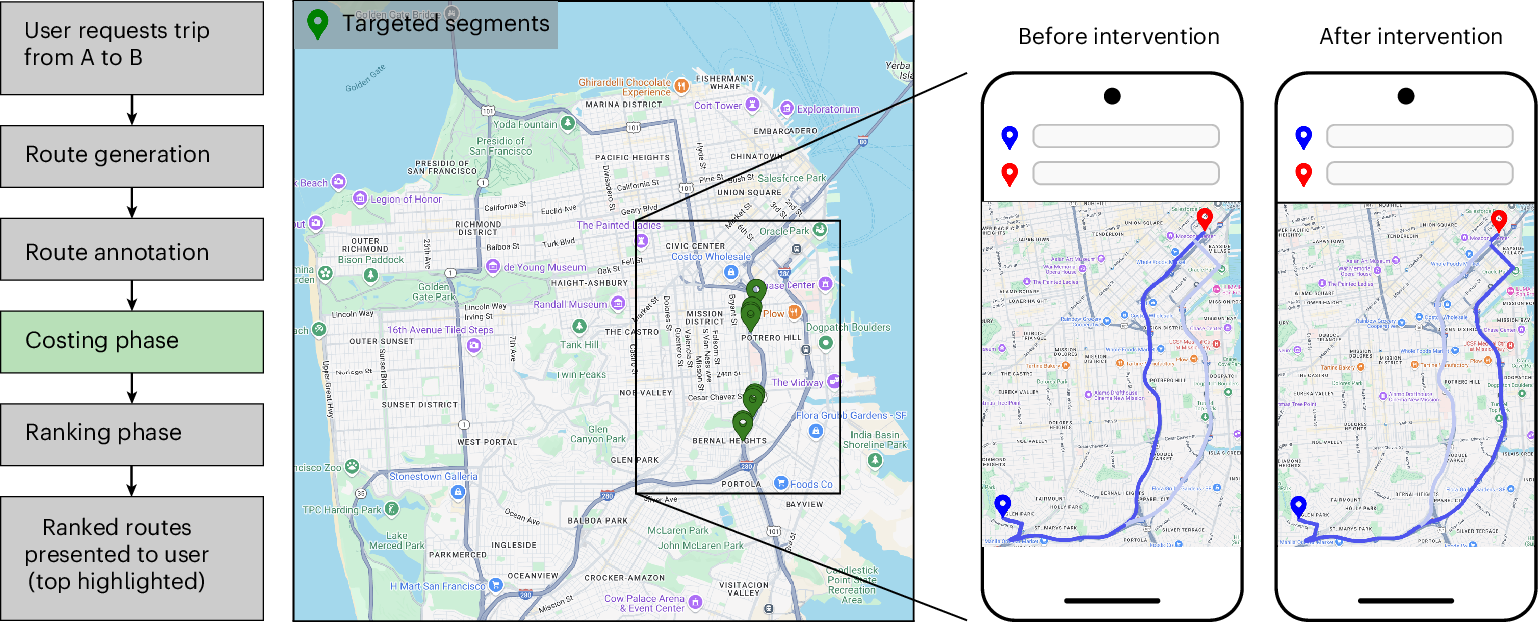
Urban congestion relief experiments through routing-app interventions
Traffic congestion remains a persistent challenge for urban mobility, increasing travel delays and elevating CO2 emissions. The widespread use of smartphones and GPS navigation creates new opportunities to mitigate congestion through routing optimizations in apps, yet real-world evidence for the effectiveness of such interventions is limited. Here we report large-scale empirical experiments evaluating routing-based traffic interventions on ~100 highly congested road segments across 10 major US cities. By rerouting a small share of Google Maps trips from targeted congested highway and arterial segments to less congested alternatives of equivalent road-classes with comparable travel times, we observe a city-average 2% increase in vehicle speeds on the intervened segments, along with improved travel times 0.7% and potential annual reductions exceeding 1,000 tons of CO2-equivalent emissions per city in the majority of studied locations. These findings provide evidence that marginal routing interventions involving a small proportion of vehicles can measurably enhance overall road network efficiency, offering a practical pathway to easing congestion and advancing urban sustainability.
How 16 ships create as much pollution as all the cars in the world
As 50 giant oil tankers lurk off the British coast, we reveal an even more scandalous threat to the global environment.

A Map to Report Cars Blocking New York's Bike Lanes
A map invites cyclists to photograph and report drivers behaving badly.

Air Pollution Mask
Reusable urban air pollution mask with certified 99.99% PM2.5 filtration against traffic fumes, road dust and smog. Breathable, washable, built for daily city wear.

We’re the mayors of Paris, Milan and Phoenix. The heat crisis has us all facing the same question | Emmanuel Grégoire, Giuseppe Sala and Kate Gallego
Our three cities are learning from each other about how to protect residents. These climate policies are also public health measures