The memory and meaning in our weird, family-specific words, often born of the wild minds of children.
1K views | A "familect" is a family's own private language. The word...
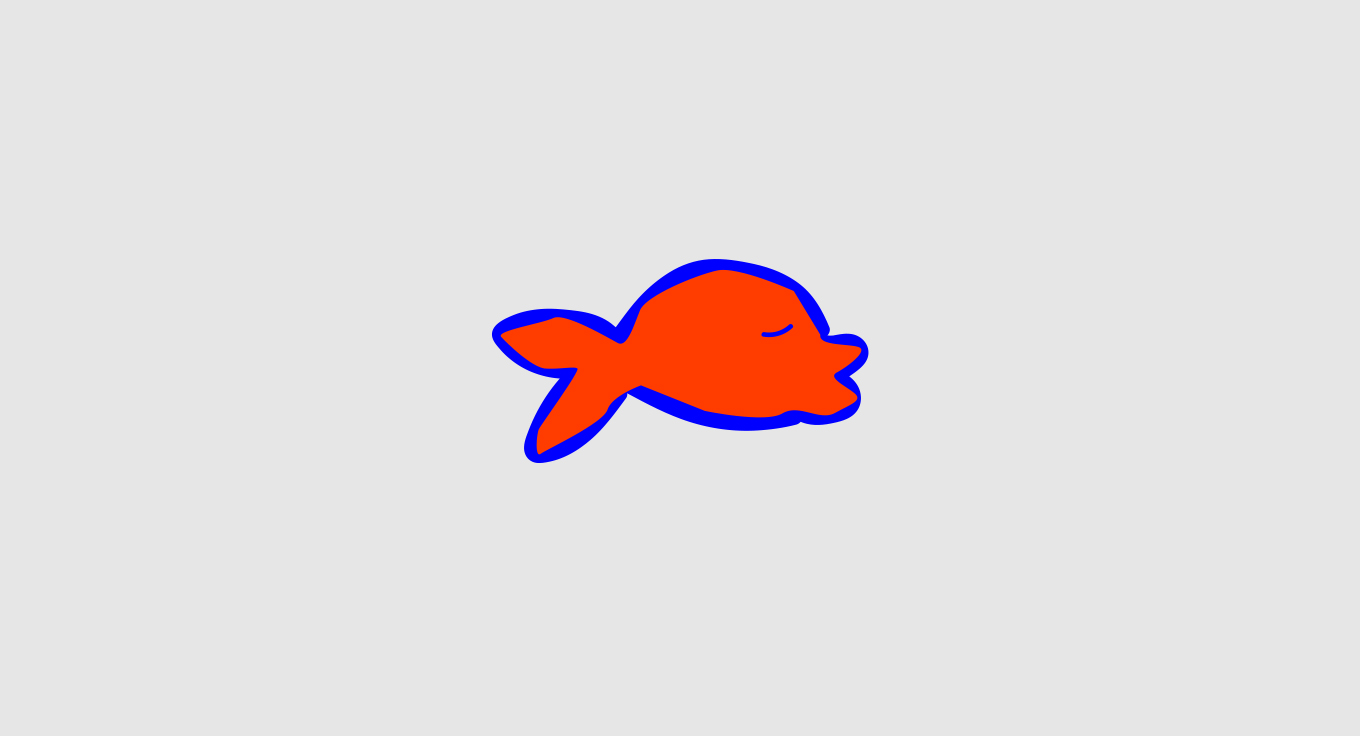
A "familect" is a family's own private language. The word comes from a blend of "family" and "dialect."

Familect
Familects often gain vocabulary through the words young children create as they learn to talk, when these words are adopted by the family.[1][2] Familects also gain vocabulary through slips of the tongue and word invention.[3]
Why your family’s secret language is good for kids
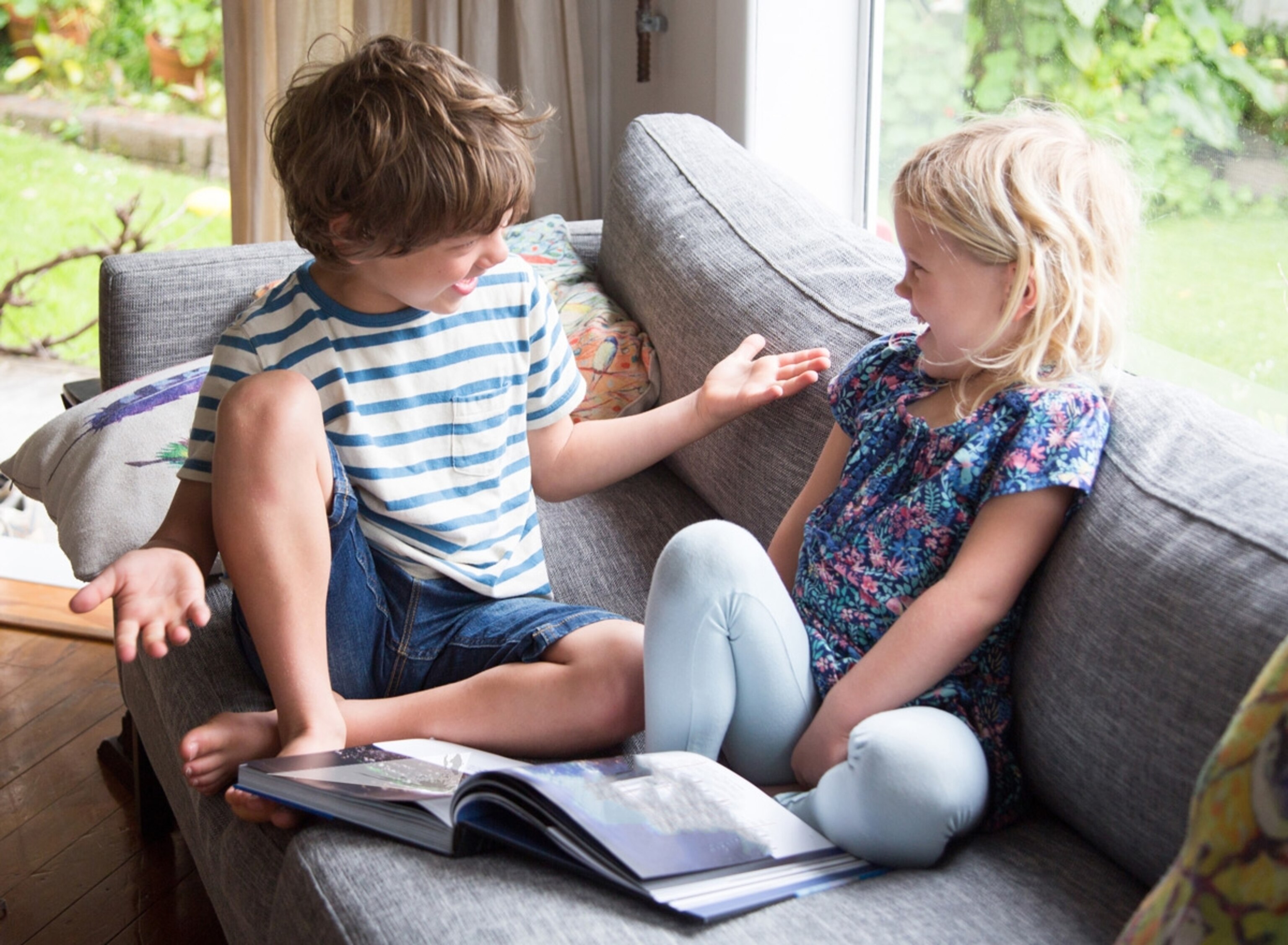
‘That whoa-whoa is chasing the hodgie!’ Your household’s familect can strengthen bonds and develop language skills.
What is a word that is used in your family all the time, and you wish everyone else used it, too.
149 votes, 880 comments. Could be a word your family invented, or just an obscure one. UPDATE: So many great words! Anyway we can turn this into an…
Your Family: Past, Present, and Future
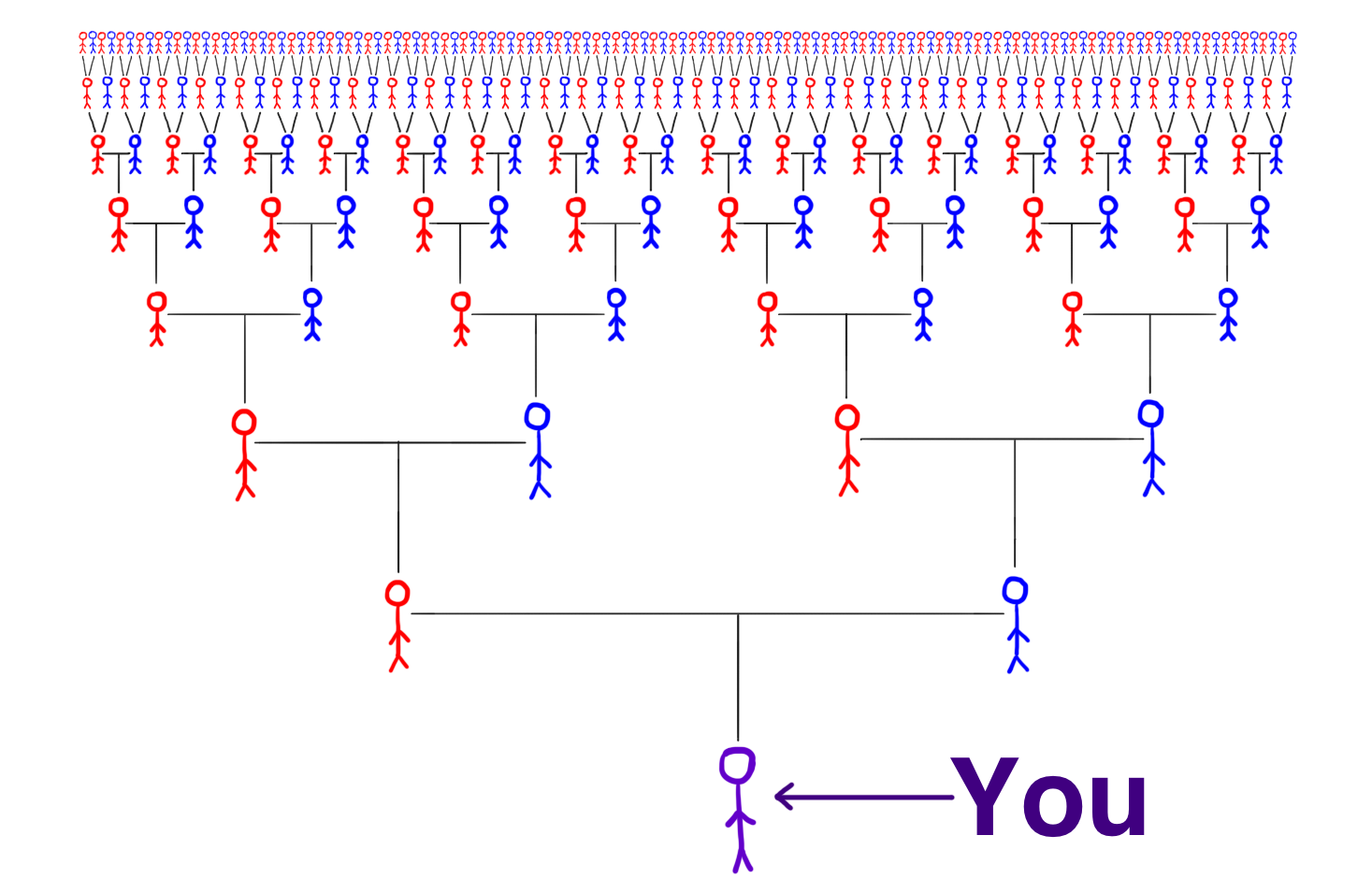
The past, present, and future of your family tree are all far more fascinating than you realize.
Word family
A word family is the base form of a word plus its inflected forms and derived forms made with suffixes and prefixes[1] plus its cognates, i.e. all words that have a common etymological origin, some of which even native speakers don't recognize as being related (e.g. "wrought (iron)" and "work(ed)").[2] In the English language, inflectional affixes include third person -s, verbal -ed and -ing, plural -s, possessive -s, comparative -er and superlative -est. Derivational affixes include -able, -er, -ish, -less, -ly, -ness, -th, -y, non-, un-, -al, -ation, -ess, -ful, -ism, -ist, -ity, -ize/-ise, -ment, in-.[1] The idea is that a base word and its inflected forms support the same core meaning, and can be considered learned words if a learner knows both the base word and the affix. Bauer and Nation proposed seven levels of affixes based on their frequency in English.[3] It has been shown that word families can assist with deriving related words via affixes, along with decreasing the time needed to derive and recognize such words.[4]
The Triadic Mind: How Language Reveals the Limits of Human Cognition
Languages are the most complex symbolic systems humans have ever created. Yet children acquire them effortlessly, without formal…

Home
Intergen.Family is where true stewardship is cultivated. Within our high-trust community, leaders can transform private wealth into a source of public trust, aligning their family legacy with planetary and human flourishing. This is the foundation upon which our offerings for individuals, organizations, and patrons are built.
A heartbreaking work of staggering genius
A book that redefines both family and narrative for the…


howard rheingold's | the virtual community
Those words have become a family code for the way my virtual community has infiltrated our real world. My seven-year-old daughter knows that her father congregates with a family of invisible friends who seem to gather in his computer. Sometimes he talks to them, even if nobody else can see them. And she knows that these invisible friends sometimes show up in the flesh, materializing from the next block or the other side of the planet.
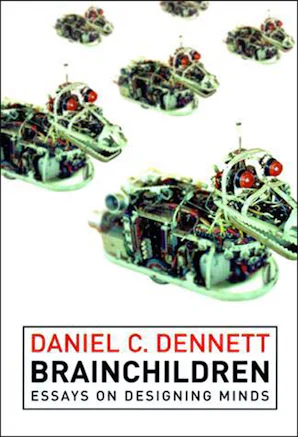
Brainchildren
Minds are complex artifacts, partly biological and partly social; only a unified, multidisciplinary approach will yield a realistic theory of how they came i...
A folksonomy of lexicons - Chris's Corner
On the design and intent of different lexicons

Large language memories: Psychosis and antisocial media
Using the fields of memory studies and digital humanities, this article argues that there has been a shift from more collective and social memory to more personalised and individual memory. This shift, it is argued here, can be conceptualised through the psychoanalytic concept of ‘psychosis’. While the causes of the changes in our patterns of memory have been located in capitalist and neoliberal principles, the effects of the changes in our memory habits might be found in psychosis. From falling in love with machinic AI replicas to indulging in conspiracy theories to acting as if we are social media influencers or backing ourselves to win out in impossible job markets, we are inclined towards personal fantasy, often at the expense of participating in social life. But why do we do this? Why is it easier to believe a farfetched conspiracy theory or wild personal dream than it is to participate socially and collectively in the world we live in? Part of the reason, at least, is found in our increasing habitual reliance on new and emergent technologies. Often presented to us as a brand-new form of Artificial Intelligence, these generative tools are the latest update to a longer pattern in our digital world: the trend of developing ‘relationships’ with algorithms that, to larger and smaller degrees, we come to rely on for habits of cognition and recognition. By affecting our patterns of memory, these technologies produce a kind of isolation that lends itself to individual and fantastical – rather than shared and realist – thinking.