


Since 2002, the winning country has created the concept and design for Eurovision. Here are some of the stories behind them.
Eurovision Asia Voting Mechanics Explained
Making sense of how public voting works in Eurovision Asia.
How Israel Turned Eurovision’s Stage Into a Soft Power Tool
Israel’s efforts to influence Eurovision’s vote were broader and started years earlier than previously known.

Eurosky dawns – Open Future
The Eurosky initiative is building European social media infrastructure on the ATProtocol, representing a new step in Europe's digital sovereignty agenda as policymakers seek alternatives to Big Tech platforms that serve public interest rather than commercial imperatives.
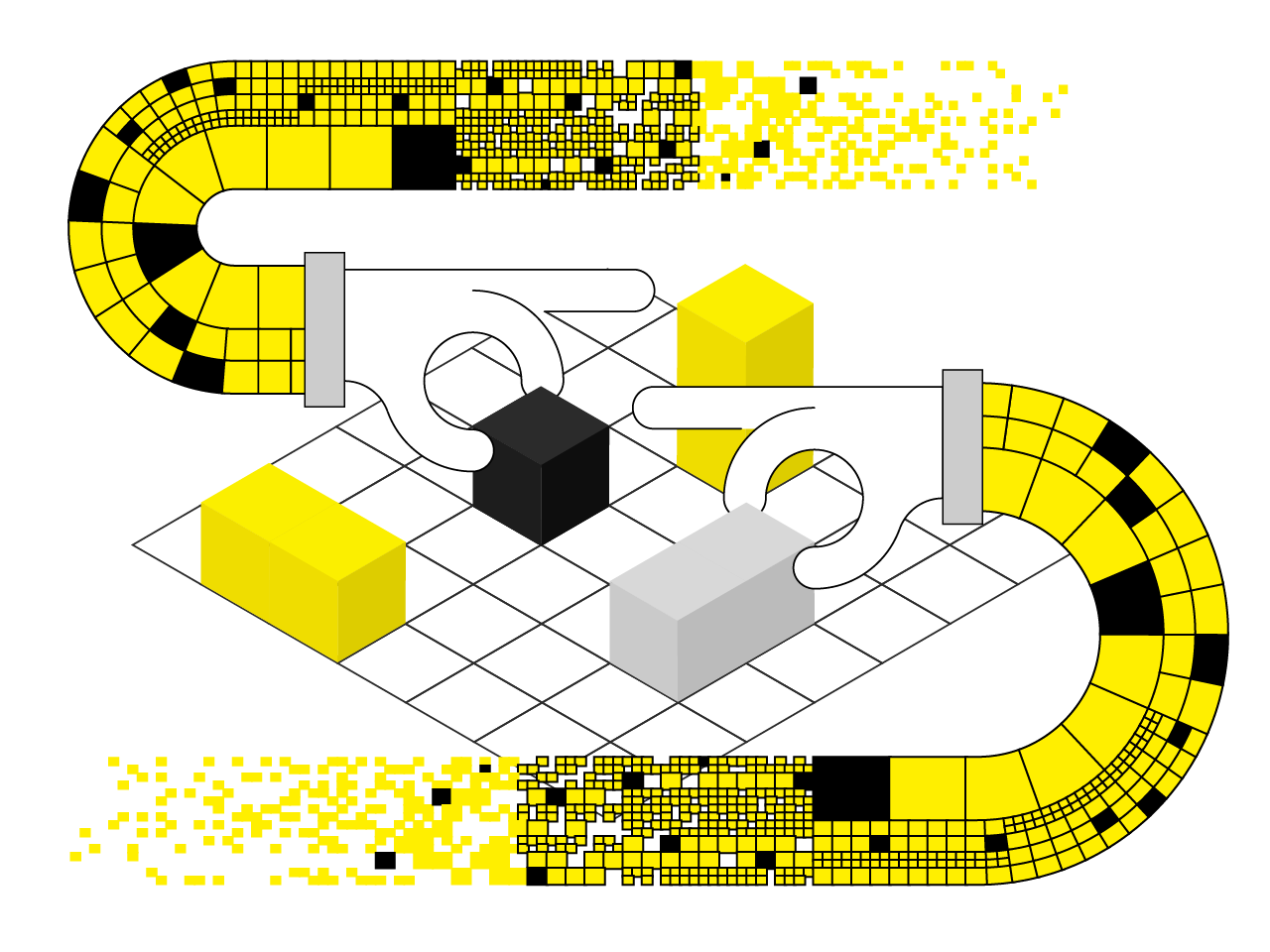
Rauno Freiberg
Make it fast. Make it beautiful. Make it consistent. Make it carefully. Make it timeless. Make it soulful. Make it.

Rebrand — Stellar visual identity inspiration
Rebrand is a collection of the best new design systems, visual identity introductions and rebrand videos. We curate breathtaking videos that capture new brand identities.

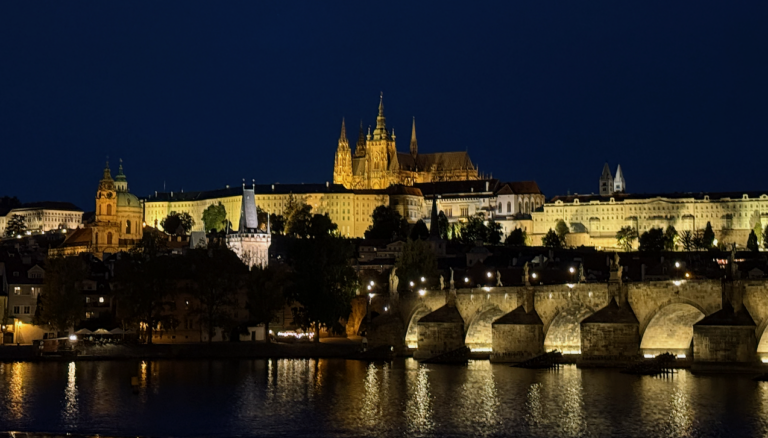
Open Source Summit Prague: Sovereignty, Metrics, and Burnout
At the Open Source Summit EU last week in Prague, there were a few common themes that I wanted to write about with the caveat that these are, of course, not the only themes, and they were certainly biased by the types of talks that I chose to attend.
EU Open Source Strategy | Shaping Europe’s digital future
The EU Open Source Strategy is a cornerstone of the Tech Sovereignty package, supporting open source ecosystems across the EU - encouraging the development and uptake of European alternatives.
Creative Europe MEDIA — Supporting high-quality audiovisual content
The creation and production of high-quality content is the foundation of the European audiovisual industry.


Popularity Feedback Constrains Innovation in Cultural Markets
Real-world creative processes ranging from art to science rely on social feedback-loops between selection and creation. Yet, the effects of popularity feedback on collective creativity remain poorly understood. We investigate how popularity ratings influence cultural dynamics in a large-scale online experiment where participants ($N = 1\,008$) iteratively \textit{select} images from evolving markets and \textit{produce} their own modifications. Results show that exposing the popularity of images reduces cultural diversity and slows innovation, delaying aesthetic improvements. Popularity feedback is associated with changes to both selection and creative stages. During selection, popularity information triggers cumulative advantage, with participants preferentially building upon popular images, reducing diversity. During creation, participants make less disruptive changes, and are more likely to expand existing visual patterns. Feedback loops in cultural markets thus not only shape selection, but also, directly or indirectly, the form and direction of cultural innovation.

I get the impression that the people at @wsocial.eu haven’t grasped the principle of a free and open social network protocol. They look a bit like venture capitalists turning up at Wikipedia and wondering how they can make a fortune there. Poke @anna.wsocial.eu
I get the impression that the people at @wsocial.eu haven’t grasped the principle of a free and open social network protocol. They look a bit like venture capitalists turning up at Wikipedia and wondering how they can make a fortune there. Poke @anna.wsocial.eu

