

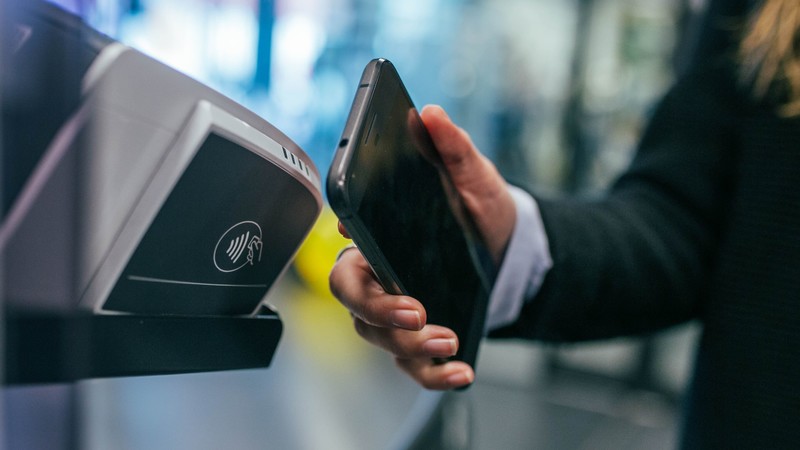
Switching fully to card and app payments would put access to our money in the hands of private organizations for the first time in history.
Why we should fear a cashless world | Dominic Frisby
Poor people and small businesses rely on cash. A contactless system will likely entrench poverty and pave the way for terrifying levels of surveillance
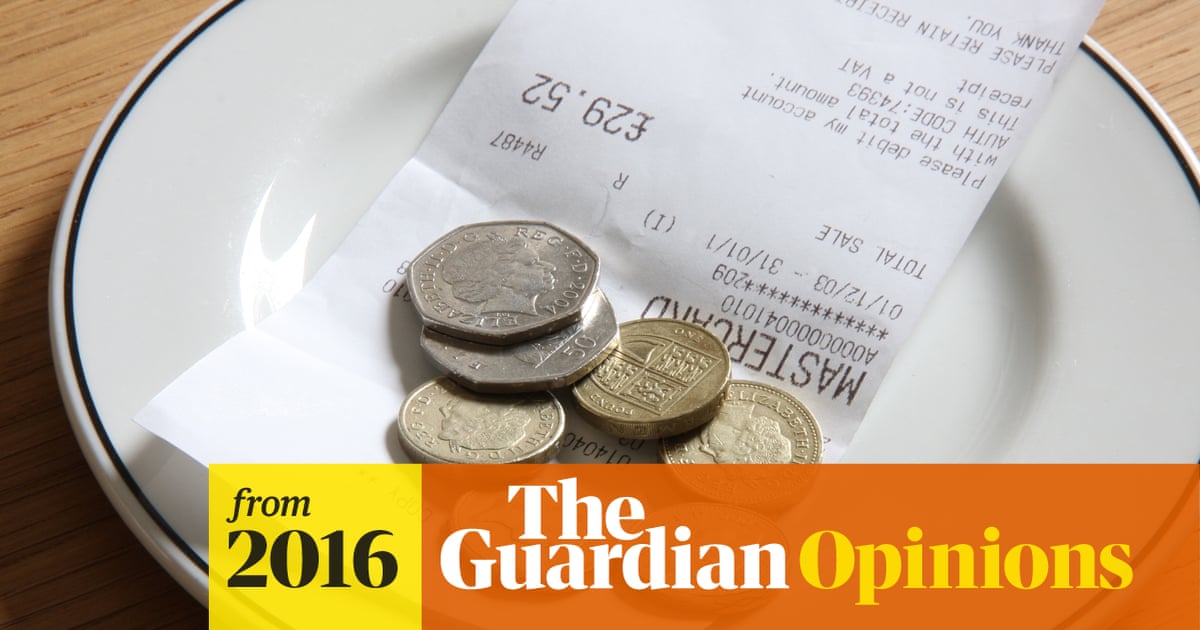
What Happens When We Become A Cashless Society? - Fast Company
Imagine a future where everything is seamlessly paid for via your phone. It's a beautiful vision—with some dangerous unintended consequences.
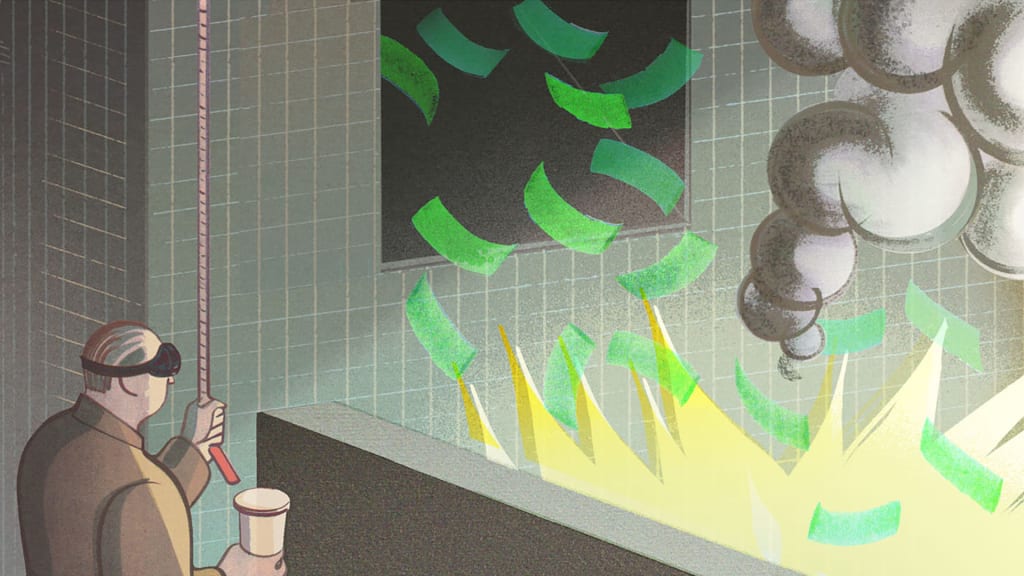
The War on Cash
Banks, governments, credit card companies and fintech evangelists all want us to believe our cashless future is inevitable and good. But this isn't a frictionless utopia says Brett Scott, and it's time to fight back
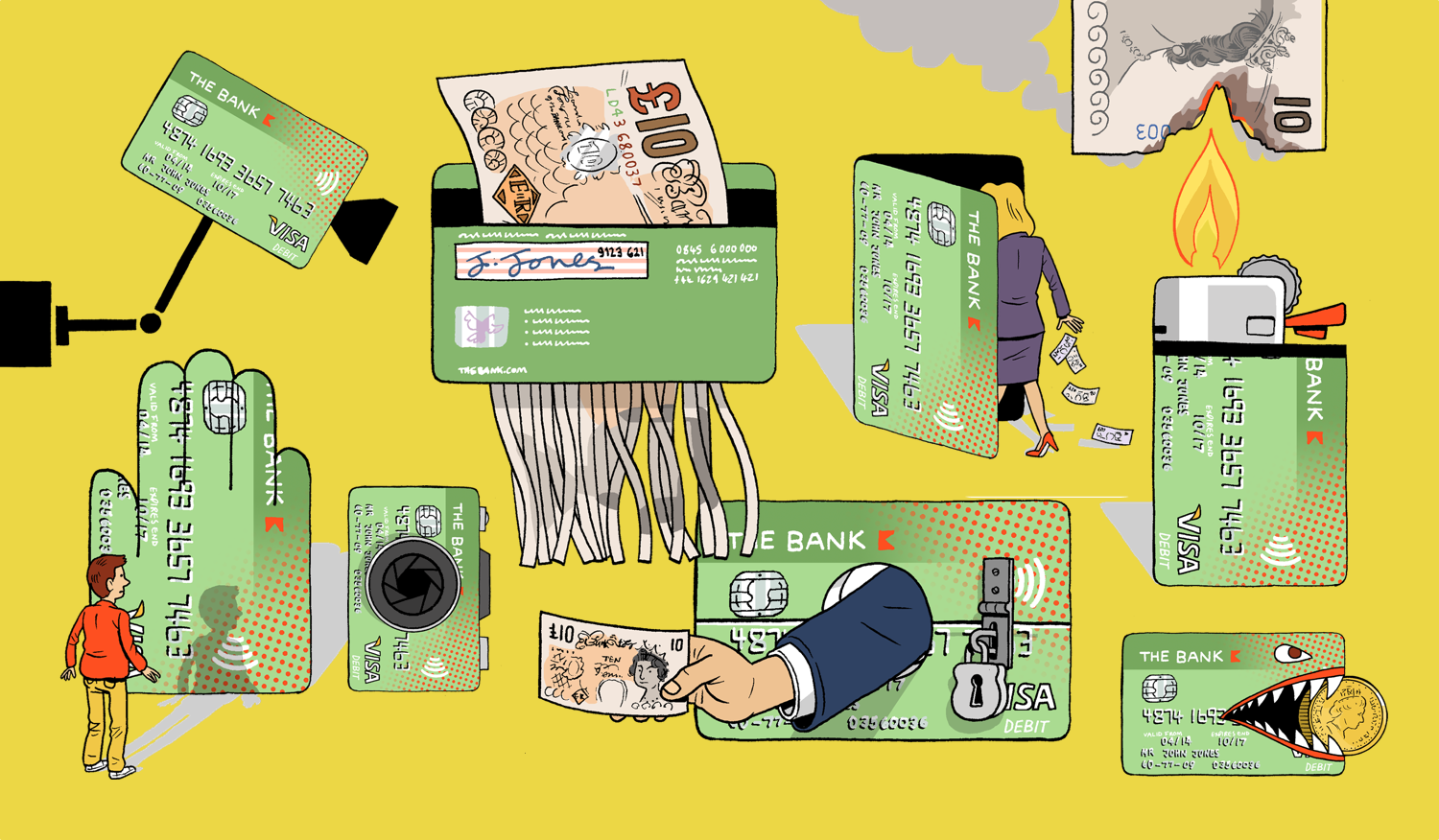
Explaining adoption and use of payment instruments by US consumers
Motivated by recent policy intervention into payments markets, we develop and estimate a structural model of adoption and use of payment instruments by U.S. consumers. Our structural model differentiates between the adoption and use of payment instruments. We evaluate substitution among payment instruments and welfare implications. Cash is the most significant substitute to debit cards in retail settings, whereas checks are the most significant in bill‐pay settings. Furthermore, low income consumers lose proportionally more than high income consumers when debit cards become more expensive, whereas the reverse is true when credit cards do.

Why Do Shoppers Use Cash? Evidence from Shopping Diary Data
Recent studies find that cash remains the dominant payment choice for small‐value transactions despite the prevalence of alternative payment methods such as debit and credit cards. An important policy question is whether consumers truly prefer using cash or merchants restrict card usage. Using unique shopping diary data, we estimate a payment choice model with individual heterogeneity, controlling for merchants' acceptance of cards. Based on a policy simulation imposing universal card acceptance among merchants, we find that overall cash usage would decrease by only 8.0 percentage points, implying that cash usage in small‐value transactions is driven mainly by consumer preferences.

Why Germans pay cash for almost everything
As banks, technology giants and would-be disruptors such as Square scrummage over the payment system of the future, German consumers seem perfectly happy with the payment system of the past. Germany remains one of the most cash-intensive advanced economies on earth.

Open Source vs. Closed Control: How Switzerland Built Better - ISOC Switzerland Chapter
By Berna Alp and Marianthe Stavridou Introduction As societies undergo rapid digital transformation, public infrastructure is being fundamentally rethought. Money is no exception. While cash is declining across much of the world the question is no longer whether money will become digital, but how. Digital money or digital money transfers are not merely a technical upgrade. It encodes...
W Social, Public Institutions and the Theater of European Digital Sovereignty
European public institutions are betting big on digital sovereignty and open source software. And yet they recently moved their Bluesky accounts to W Social, a private, for profit network owned by Swedish entrepreneurs that has quietly gone closed-source.
What do Europeans want out of their EUDI Wallets New study sheds light - EU Digital Identity Wallet -
EU Digital Identity Wallets are set to launch at the end of 2026, with the EUDI ecosystem gearing up for the big moment. Issuers, service providers, wallet providers, and other members of the ecosystem, alongside the newest Large Scale Pilots, are hard at work fine-tuning wallets and testing use cases.
Sweden Wants To Fight Our Disposable Culture With Tax Breaks For Repairing Old Stuff - Fast Company
A proposed new law takes aim at wasteful consumerism.
Visa Digital Issuer Solutions
Build cardholder primacy with standout digital experiences.

Purchase Justifiability Drives Payment Choice: Consumers Pay with Card to Remember and Cash to Forget
AbstractAlthough consumers often have multiple payment methods at their fingertips, such as cash and credit/debit cards, prior research is silent on how consumers choose between them. We home in on a key element of purchase—purchase justifiability—that affects how consumers choose to pay. Analysis of 118,042 real-world purchases and six experiments reveals that when consumers are motivated to forget (vs. remember) a purchase because they see it as difficult (vs. easy) to justify, they have an increased preference to pay with cash (vs. card) because cards create a “paper/electronic trail” that aids memory retrieval. These payment preferences are strongest among consumers most likely to recall/track their card spending, and manifest only when card expenses are trackable. We reconcile our results with the classic effect of payment method on pain of paying and discuss implications for merchants and for financial institutions designing payment methods of the future.

The Future of Money: How the Digital Revolution Is Tran…
A cutting-edge look at how accelerating financial chang…

Systems: How the Ultra-Wealthy Think About Money - Anil Dash
A blog about making culture. Since 1999.

ChatGPT brings UPI full circle to credit cards and wallets
AI is forcing India to “innovate” its way back to the past

Why Voluntary Payment Will Never Beat Ads