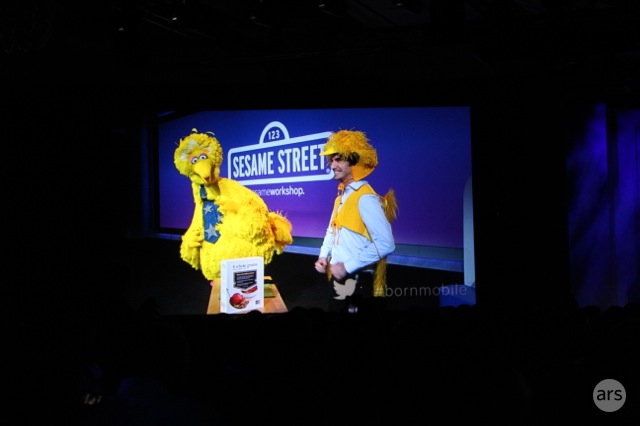
In the last year, I’ve spent about 200,000 words on a kind of personal journey where I’ve tried again and again to work out why everything digital feels so broken, and why it seems to keep getting worse, despite what tech’s “brightest” minds might promise. More
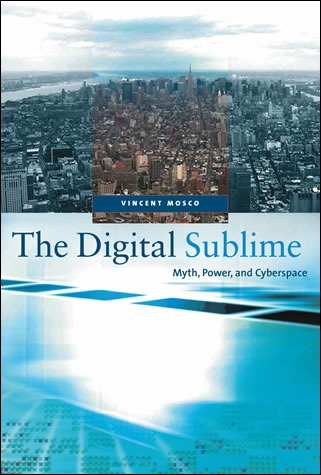
The Digital Sublime: Myth, Power, and Cyberspace
Interpreting the myths of the digital age: why we believed in the power of cyberspace to open up a new world.The digital era promises, as did many other te
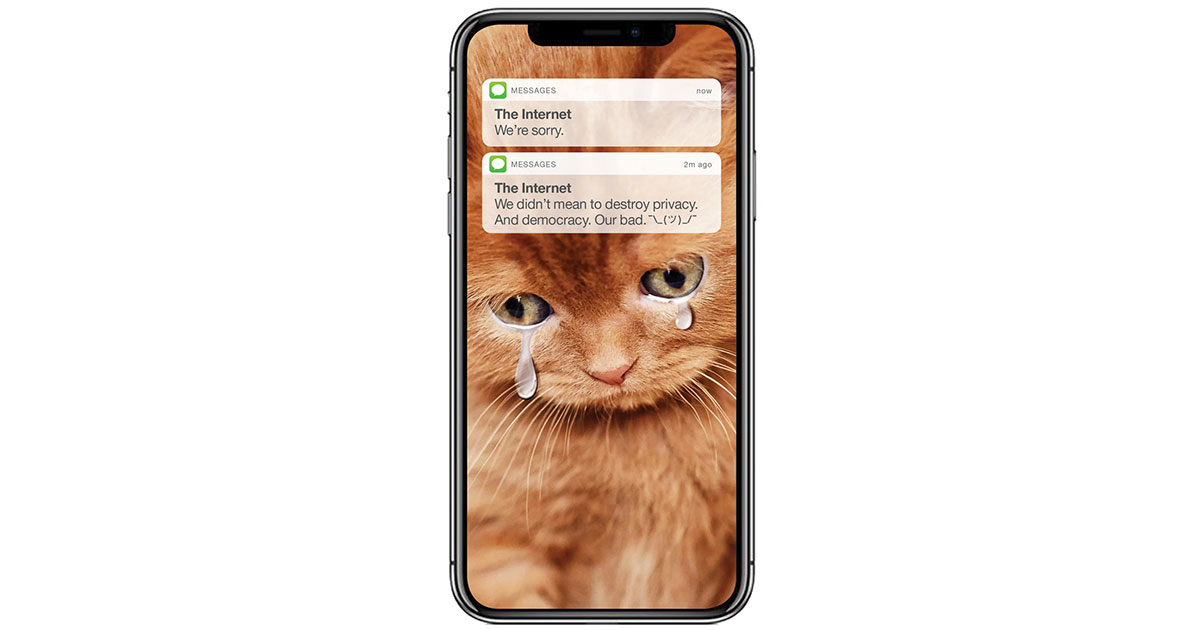
An Apology for the Internet — From the People Who Built It
Even those who designed our digital world are aghast at what they created. A breakdown of what went wrong.
AI, I tried to love you – Writings and rehearsals by Nathan Schneider
Among my peers who study the cultures and economies surrounding technology, I often find myself more tech-positive than most. On the whole I like computers, like the internet, and like in general the emergent human creativity that these things have enabled and revealed. A source of my appreciation is that I expend a lot of effort on the practice of “slow computing,” which is to say, choosing tools and technical communities that I can feel in right relationship with. I tend to approach new socio-technologies (like gig economies, blockchains, and social media) not from a perspective of why is this so bad? so much as asking how could we do this right?
New Year’s Message: Moving Fast And Breaking Things Is The Opposite Of Tech Optimism
Every year since 2008, my final post of the year for Techdirt is about optimism. This makes this year’s post (which will be the only post for today — go out and enjoy the holiday times, people) my …

Absolute scale corrupts absolutely
The Internet has gotten too big. Growing up, I, like many computery people of my generation, was an idealist. I believed that better, faste...
Absolute scale corrupts absolutely
The Internet has gotten too big. Growing up, I, like many computery people of my generation, was an idealist. I believed that better, faste...
Apple Vision Pro: A Watershed Moment for Personal Computing
I'm going to be direct with this story. My 30-minute demo with Vision Pro last week was the most mind-blowing moment of my 14-year career covering Apple and technology. I left the demo speechless, and it took me a few days to articulate how it felt. How I felt. It's not just that I was
The Next Great (Digital) Extinction
How today's internet is rapidly and indifferently killing off many systems while allowing new types of organizations to emerge.

Our Shared Reality Will Self-Destruct in the Next 12 Months
What happens when you can't trust photos, videos, text, or the entire web?
‘The Internet Sucks.’ Cory Doctorow Tells How to Fix It | The Tyee
The digital savant on ‘enshittification,’ how ‘twiddlers’ secretly rip us off, powering down Big Tech and more. A Tyee interview.

For Big Tech, a Comeuppance We’ve Seen Before: On Wall St. (Published 2018)
A decade after the financial meltdown, the cloud growing over Silicon Valley is a reminder that trust can be awfully hard to regain once it’s lost.

Why Silicon Valley can’t fix itself
The long read: Tech insiders have finally started admitting their mistakes – but the solutions they are offering could just help the big players get even more powerful
Hey Kids, Get Off My Lawn: The Once And Future Visual Programming Environment | TechCrunch
When I was a graduate student at the MIT Media Lab fifteen years ago, my research group went on a retreat every year with Famous Computer Scientists from Xerox PARC. I greatly admired these people and their work. But I was young and in a hurry to get where I thought I was going. And it sometimes seemed that every time us young folks talked about our research, or showed a demo, someone would say something like, "oh, that's very nice, when we did that at PARC ...." Fast forward to the present. For the last few years, every time I see a new piece of small, open, hackable, networked hardware, or a new reputation engine, or a generative art piece, or a product built around location tracking plus real-time information push, or — well, you get the idea — I have to bite my tongue and think of the PARC folks to keep myself from saying, "oh, that's very nice, when we did that at the Media Lab ...." All of which just proves that the wheel of history revolves. New work is always new, by definition, even if it's not entirely new (which nothing can ever be).

No foolin’—the 2010s were a crazy decade for tech
Spaceflight lived, software ownership died, and net neutrality lived and died.