


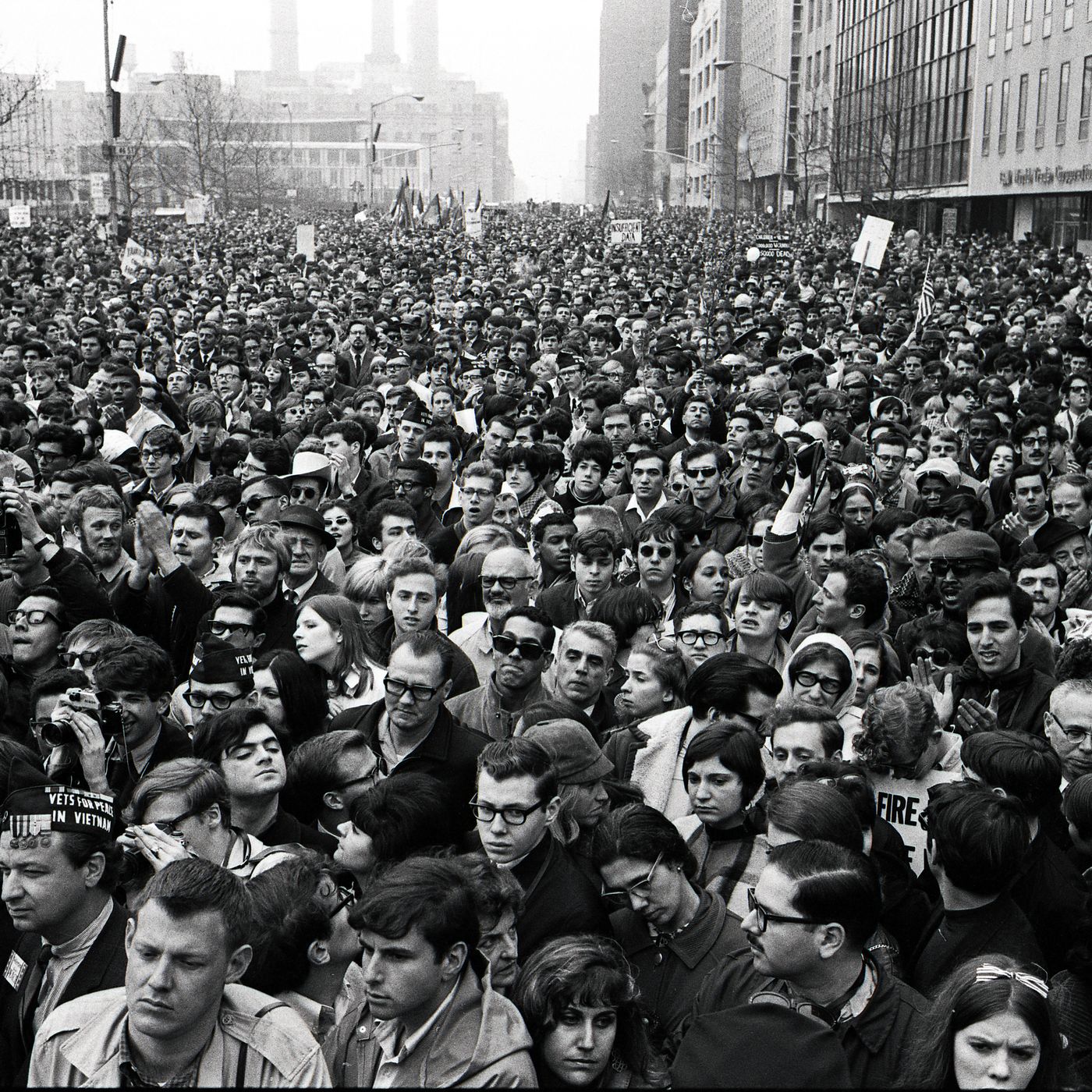
The Vietnam anti-war movement was one of the most pervasive displays of opposition to the government policy in modern ti...
Gaza War Protests Don’t Yet Rival Anti–Vietnam War Movement
Today’s protests are smaller, less focused, and less popular than those of the Vietnam era. But they are growing and could spur a similar backlash.
Waging a good war: a military history of the civil rights movement, 1954-1968
"A new history of the Civil Rights Movement with an emphasis on its nonviolent use of military tactics and strategy"--

Find Protests Near You - Updated Daily | find a protest
Find protests and solidarity events near you — updated daily. Discover local rallies, vigils, teach-ins and justice actions happening this week and weekend.
The Black Alliance for Peace
A people-centered human rights project against war, repression and imperialism. Get on our newsletter list to build the anti-war movement.


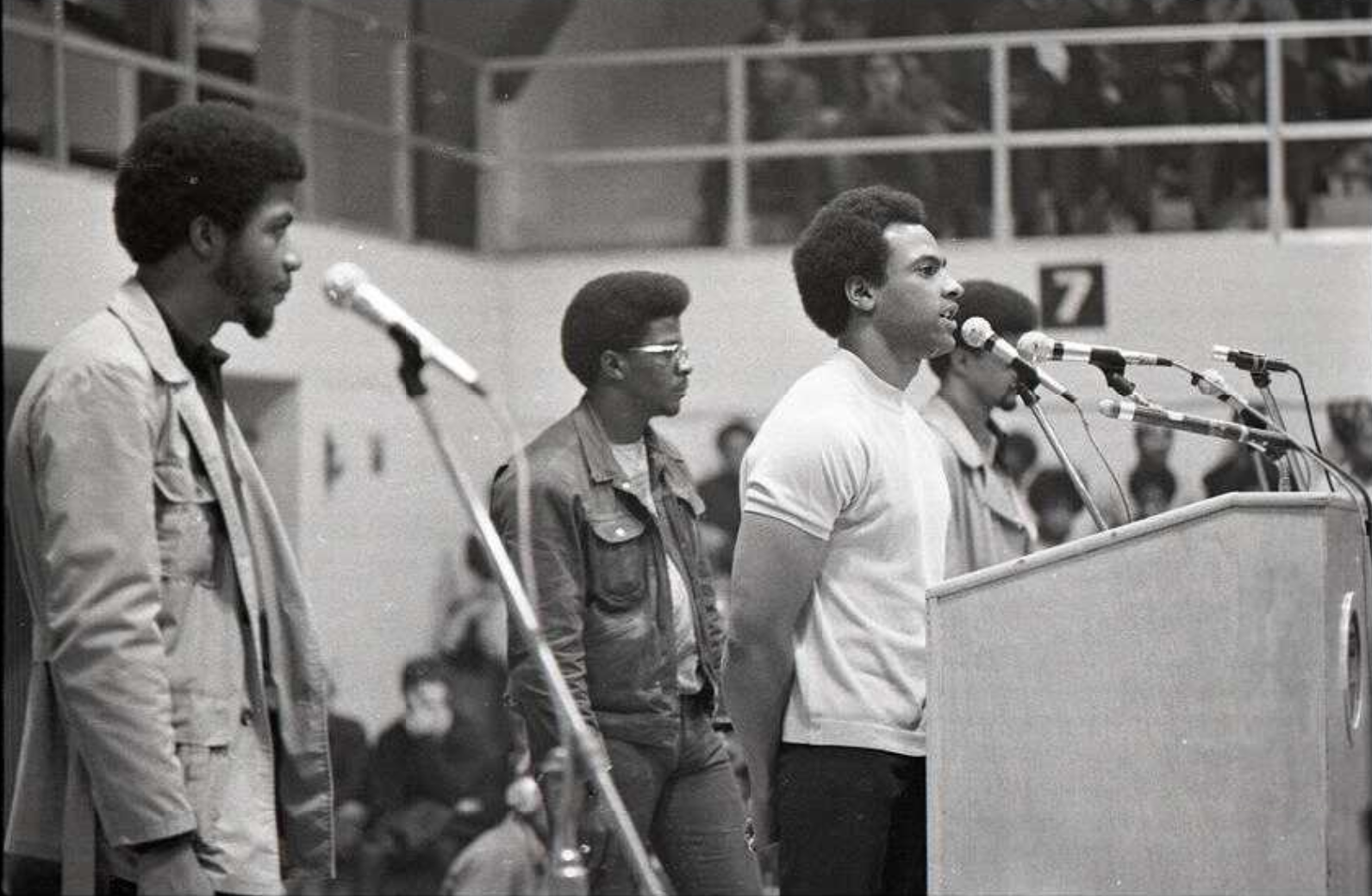
Huey Newton introduces Revolutionary Intercommunalism, Boston College, November 18 1970
In 1970 Huey Newton gave a speech at Boston college outlining a new ideological direction for the Black Panther Party, Revolutionary Intercommunalism. Newton described his rejection of the idea of black people being an internal colony in the US, that class struggle rather than national liberation was the only route to a communist society (describing the failure of liberation movements in Africa as 'neo-colonialism'), concerns around automation and the working class, and the impossibility of a socialist state in the US (against the position of the Progressive Labor Party), although he still described Vietnam and China as partially liberated.
Civil Rights Era (1950–1963) - The Civil Rights Act of 1964: A Long Struggle for Freedom | Exhibitions - Library of Congress
The Brown decision fueled violent resistance during which Southern states evaded the law. The Montgomery bus boycott began a campaign of nonviolent civil disobedience to protest segregation that attracted national and international attention. Media coverage of the use of fire hoses and attack dogs against protesters and bombings and riots in Birmingham compelled Kennedy to act, sending a civil rights bill to Congress.
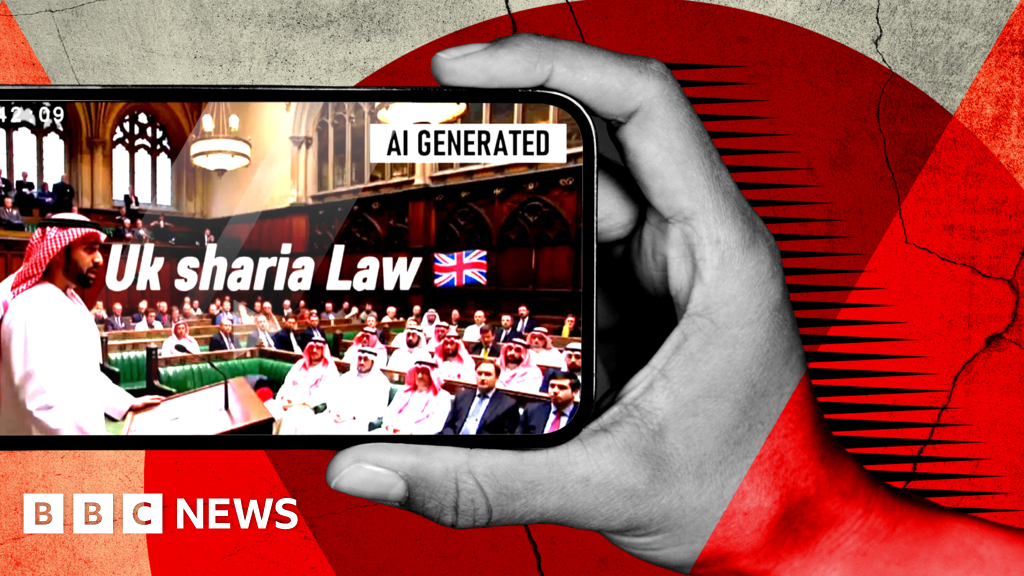
Anti-immigration AI videos traced to overseas fakers, BBC finds
"Patriotic" UK anti-immigration social media accounts have been traced to Sri Lanka and Vietnam.
Burma Coup Resistance Notes | စီၤထံဆၢ | Substack
Tracking Burma's Spring Revolution from February 2021 until it wins. Click to read Burma Coup Resistance Notes, by စီၤထံဆၢ, a Substack publication with thousands of subscribers.
Between Threat and Reality: The National Association for the Advancement of Colored People and the Emergence of Armed Self-Defense in Clarksdale and Natchez, Mississippi, 1960-1965
Annelieke Dirks, Between Threat and Reality: The National Association for the Advancement of Colored People and the Emergence of Armed Self-Defense in Clarksdale and Natchez, Mississippi, 1960-1965, Journal for the Study of Radicalism, Vol. 1, No. 1 (Spring 2007), pp. 71-98
Prairieland, USA to Filton, UK, does protest now mean terrorism?
From the US to the UK, counter-terror laws are being used to crush political dissent and protect state interests, write Zahra Farooque and David Chmielewski.

How Anti-ICE Protesters Became Prisoners in Trump’s War on Antifa
“We are not terrorists.”

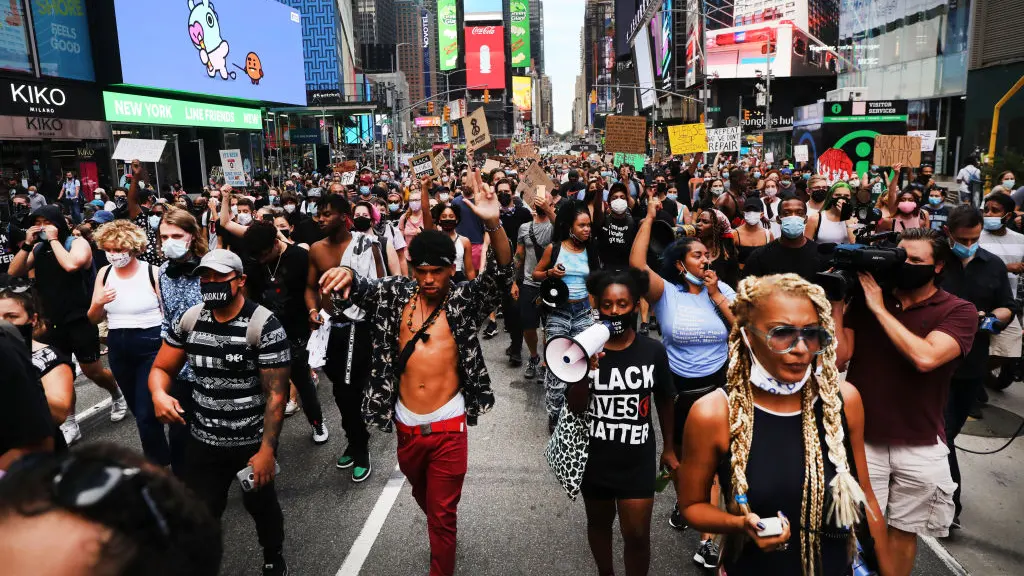
93% of Black Lives Matter Protests Have Been Peaceful, New Report Finds
The Armed Conflict Location & Event Data Project analyzed more than 7,750 BLM demonstrations in all 50 states and D.C.
Protests | The Paper Pilot
The Paper Pilot's digital garden of thoughts on philosophy, politics, and sociology
Cultural Boycott and the Anti Apartheid Movement Campaign
The Anti-Apartheid Movement began as the Boycott Movement, set up in 1959 to persuade shoppers to boycott goods from apartheid sources.
When Riot Cops Are Not Enough
In When Riot Cops Are Not Enough, sociologist Mike King examines the policing, and broader political repression, of the Occupy Oakland movement. King’s active and daily participation in that movement provides a unique insider perspective to illustrate how the Oakland police and city administrators lost the ability to effectively control the movement.
