


WikiHouse is a digitally-manufactured building system that makes it simple for anyone to build beautiful, zero-carbon homes.
digital garden
A digital garden is effectively an interconnected set of publicly available notes. You can think of it as a highly personal wiki, except its objective isn’t ...
A collection of 1800s home designs with floor plans from one of my home library reference books, published in the mid 1880s.
2.2K votes, 138 comments. 1.2M subscribers in the centuryhomes community. Century Homes is a place for those that enjoy homes that have reached or…
Remote Control WFH ClubHouse Exclusive | Facebook
Our mission is to get people working remotely from the comfort of their homes so they can provide for their families. Everything shared here is legit and...

Open Home Foundation
The Open Home Foundation fights for the principles of privacy, choice, and sustainability for smart homes. And for every person who lives in one. It does this by supporting the development of open source projects, and open connectivity and communication standards.
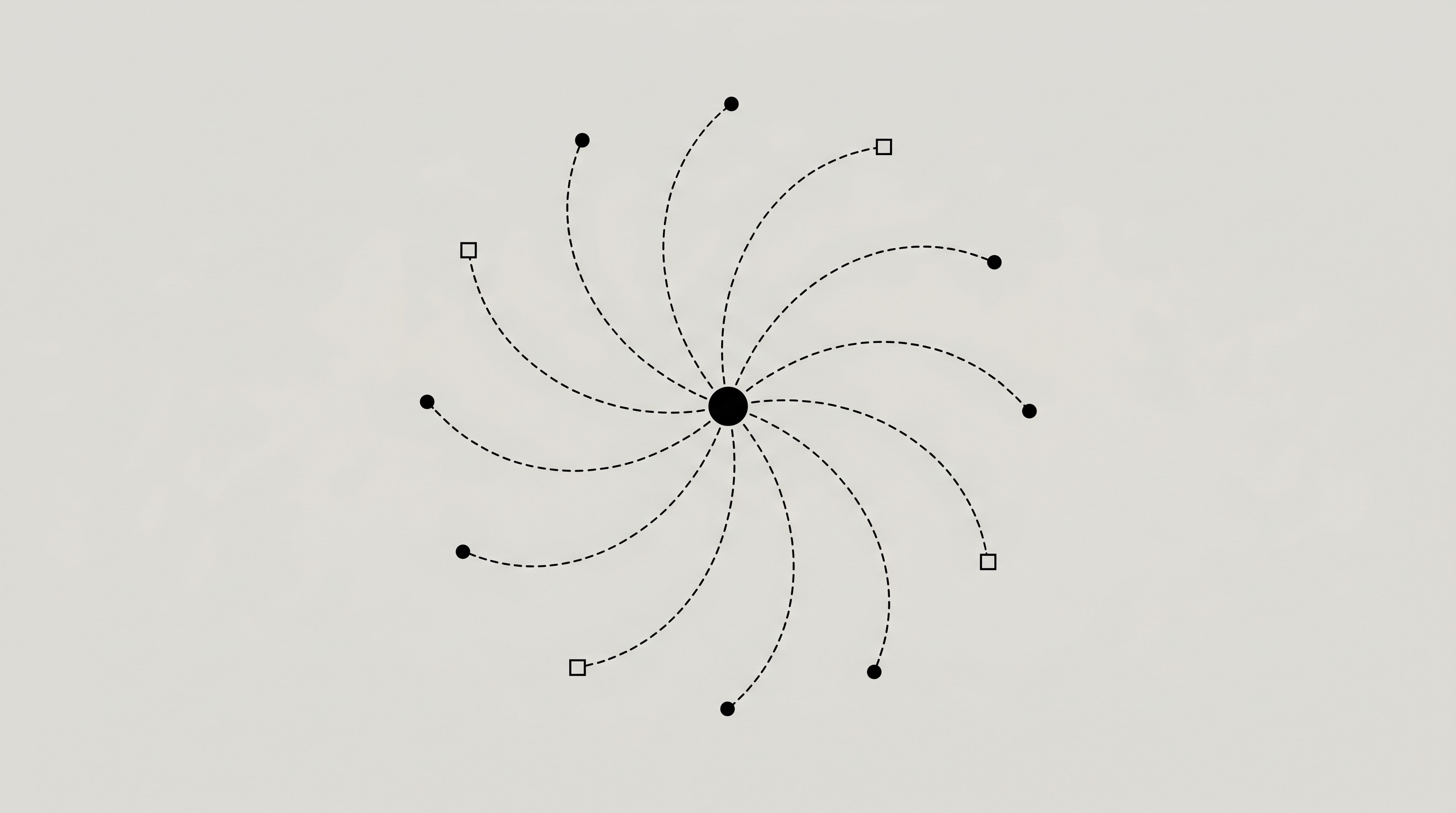
Architecture and the Internet: Designing places in cyberspace
Cyberspace, as the information space is called, has become accessible in the past decade through the World Wide Web. And although it can only be experienced through the mediation of computers, it is quickly becoming an alternative stage for everyday economic, cultural, and other human activities. As such, there is a potential and a need to design it according to place–like principles. Making places for human inhabitation is, of course, what architects, landscape architects, and town planners have been doing in physical space for thousands of years. It is curious, therefore, that Cyberspace designers have not capitalized on the theories, experiences, and practices that have been guiding physical place–making. While most 3D environments closely mimic physical spaces, they are, by and large, devoid of the essential characteristics that differentiate a ‘place’ from mere ‘space.’ And only rarely are they sensitive to, and take advantage of, the peculiarities of Cyberspace. We believe that this state of affairs is temporary, characteristic of early adoption stages of new technologies. As the Web matures, and as it assumes more fully its role as a destination rather than as means of communication, there will be a growing need to design it according to place–making principles. By looking at physical architecture as a case study and metaphor for organizing space into meaningful places, this paper explores the possibility of organizing Cyberspace into spatial settings that not only afford social interaction, but, like physical places, also embody and express cultural values. At the same time, because Cyberspace lacks materiality, is free from physical constraints, and because it can only be ‘inhabited’ by proxy, these ‘places’ may not necessarily resemble their physical counterparts.
Digital Construction Week | Innovation in the built environment
The UK’s leading event for innovation and technology in the built environment. Explore the latest developments in digital construction.
Wiki Builder: A Claude Code Plugin for Building LLM Knowledge Bases
Wiki Builder is an open-source Claude Code plugin that turns the LLM-knowledge-base workflow into a one-command setup. Scaffold a configurable wiki, point Claude at sources, and let the agent compile durable pages, indexes, and concept maps for you.
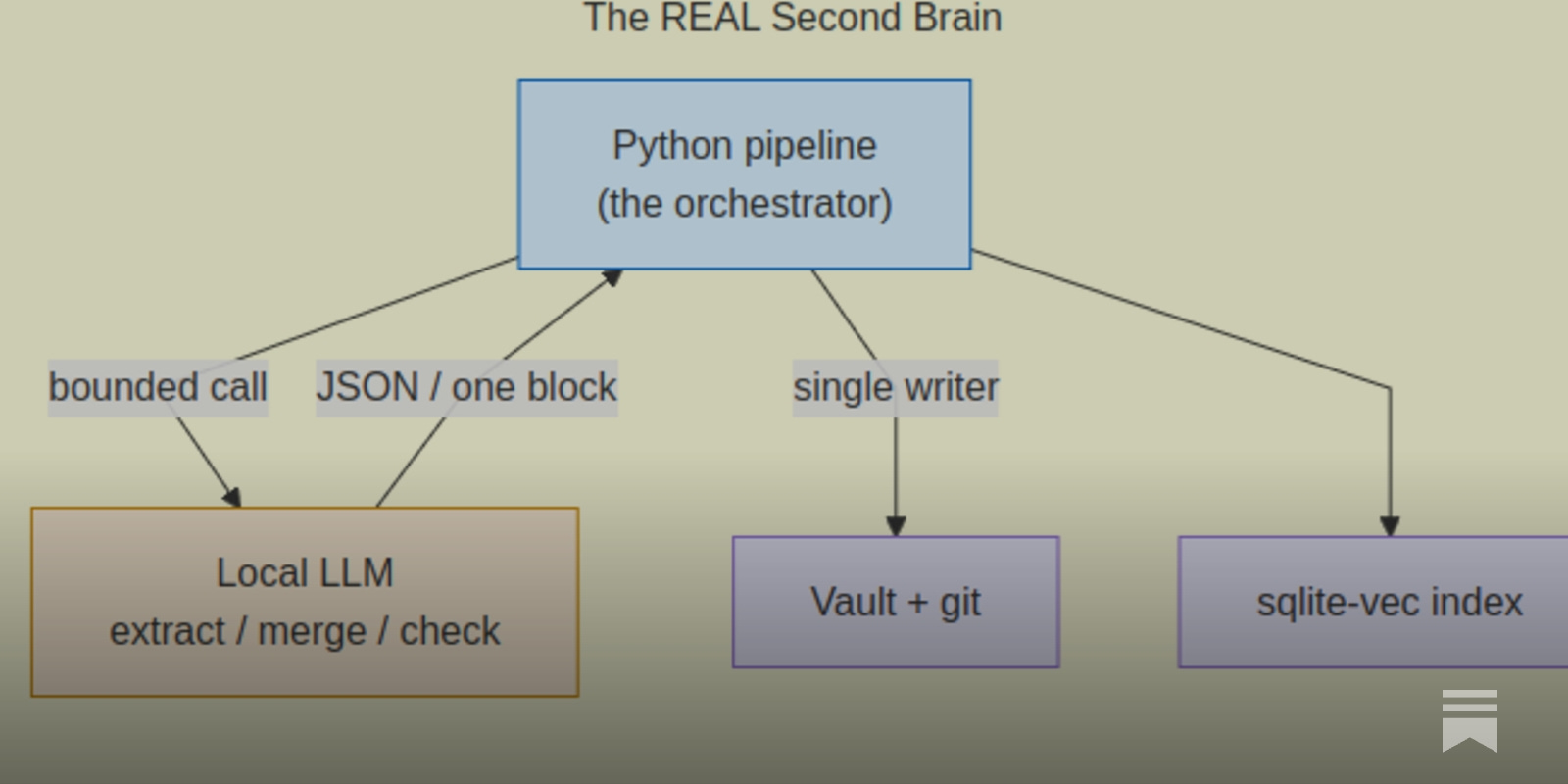
The REAL Second Brain: an autonomous, self-hosted knowledge wiki that runs on cheap local models
How I turned Karpathy's "LLM wiki" sketch into a system that actually maintains itself — no frontier API, no human in the loop, nothing leaving my LAN.
Federating friendly spaces - Roomy
hearkening back to the cozy vibes of old-web neighborhoods
Habitat's road to release: 01 simplespace - building [at] habitat
First up: a pre-implementation of permissioned spaces
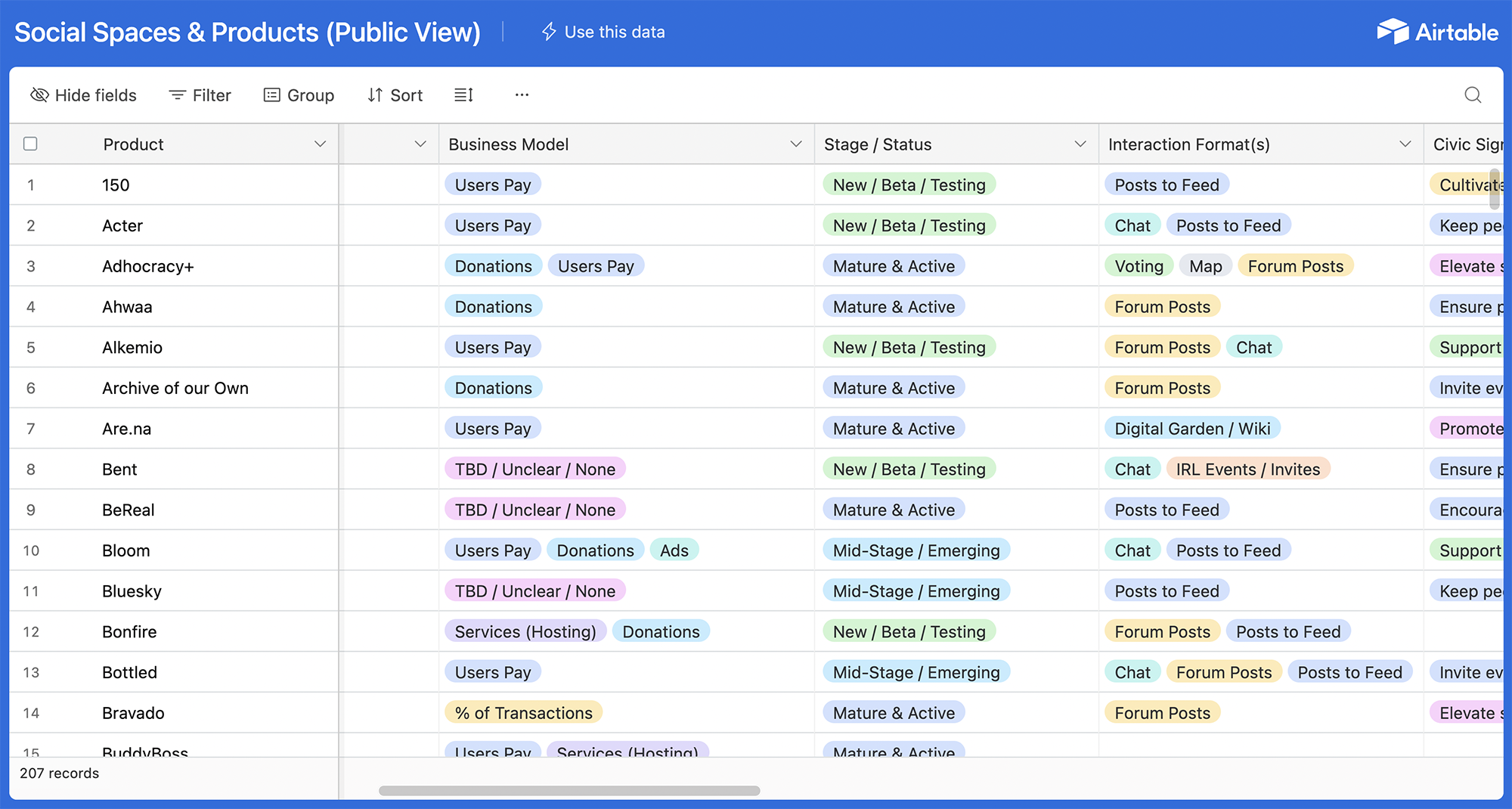
Digital Spaces Directory | New_ Public
As the social media landscape changes and a new wave of digital spaces emerges, this Directory is meant to be a resource for our field — a jumping-off-point for further exploration and research for anyone who’s interested in studying, building, stewarding, or simply using digital social platforms. We hope this will inspire creative exploration, spark new collaborations, and highlight important progress.
Village One: a worker-owned studio for ethical design and tech
Village One is a worker-owned cooperative, creating purposeful digital products + infrastructure with joy and integrity.

Ikea tried to build a smart home for everyone — here’s why it’s not working yet
The dream of interoperability is still just that.

Digital Placemaking

What does it mean to make a digital space into a place?

Urp: a luminous-tangible workbench for urban planning and design
The Death of DeviantArt and the art-site shaped hole haunting the Internet - Multi-hyphenate

Building Digital Public Parks with Deepti Doshi

Thoughts on Cyberpositionality: The Construction of Digital Communities in Digital Spaces, Damien Patrick Williams
All Our Selves In One Basket
everest-pipkin.com