


The house mouse (Mus musculus) is considered one of the most troublesome and economically important rodents in the United States. House mice thrive under a variety of conditions. They are found in and around homes and farms as well as in open fields and agricultural lands. House mice consume and contaminate food meant for humans, livestock, or other animals. They cause damage to structures and property, and they transmit diseases such as salmonellosis and swine dysentery.
Of mice and men, cats and grains
When hunter-gatherers started to settle, they created new ecological niches for rodents, which could become a problem as soon as the residents started to grow cereals and wanted to store grains. Cats took over the pest control job to the extent that humans began to appreciate their presence and spread them around the world, along with their cereals and mice. Bioarchaeology and genetic studies are now beginning to reveal the origins of this curious and now ubiquitous ecological constellation. Michael Gross reports.
The Beaver’s Food Foraging / Tree-Cutting Behavior - AnimAnswers.com
Beavers are one of the largest rodents in the world. These fantastic creatures have thick fur, webbed feet, and flattened tails that are useful when they forage. They are also known for their notable dam-building abilities and unique skills in making their homes. Their sharp teeth help them to cut different sizes of trees. Let’s ... Read more

Do Drunk Mice Sire Weird-Looking Offspring? – Quentin André
A recent piece in The Atlantic argues fathers-to-be should abstain from alcohol when trying to conceive. The science that underpins this recommendation has some issues.
Humans Love Having Pets. Seems Like Some Other Primates Do, Too.
We aren’t the only animals that like to take care of other species. A new study finds that the roots of keeping a pet may stretch deep into our primate past.

Home
House Rabbit Store & Community. We carry hundreds of unique products in the store plus we have a thriving forum community and lots of rabbit information!
Human–Animal Interaction and Human Prosociality: A Meta-Analytic Review of Experimental and Correlational Studies
Pet ownership and interactions with animals confer various physiological and psychological benefits to humans. Although interactions with animals are commonplace, there is no consensus in the liter...
“I am Not the Grace of Doe” – Radiant Obscurities
There is a beautiful and romanticized image of the doe. The doe is graceful, elegant, and delicate. She is shy and unattainable, disappearing softly at the slightest sound. Her eyes have become a cliche for the vulnerable, docile feminine, and a glimpse of her, staring back at you for a profound moment before she flies, is precious and moving.I am not this doe.In fact, in a way I hate this doe. No doe is really this doe. Let me tell you a few things about cervids, the whitetail doe in particular. Cervids are olfactory animals. That means they learn things about other deer with their sense of smell. What that means is that the smelliest things about deer are pretty crucial to the way deer live. As with many animals, urine plays a large part in communication – males will urinate in pools and wallow in them to advertise; they will also urinate on their feet to leave their scent with their hoofprints. Females advertise their eligibility to mate by urinating, also.It means that does will ingest the excrement of their young in order to prevent fawns from having a scent that would give away their position to predators.Does aren’t always gentle or vulnerable.In winter, does that are healthier and more able to sense danger will actively prevent other does and fawns from having access to food. Even if a high-ranking doe no longer needs to eat, she will fend off others from the food area and not allow them access, even if they are starving.Nor do deer always flee in the face of danger – several accounts chronicle deer attacking dogs and humans when threatened, in some cases quite brutally. Not many animals hold up closely to their romanticized stereotypes when their survival is put into question, but the desperate deer is the exact opposite of its gentle popular image, its adorable hoofs formidable and unexpected weapons.Besides that, deer do kill, sometimes to eat. A number of articles bring to light the fact that deer do eat carrion, and there is record of deer killing and eating grounded birds.For me, though, there’s more that negates the image of the wholly graceful doe than just wildlife facts. Because the grace of deer, the elegance, is not what makes me deer. As far as the romantic stereotype goes, I do usually feel more inclined to flight, and can be standoffish as a mode of self-preservation. I feel vulnerable in the way that I recognize deer are very, very “killable” – living in Vermont, I saw a great deal of dead deer and the mortality of the whitetail in a hunting community that supports a healthy coyote population was impossible to ignore. I do not feel graceful; usually I feel colossally awkward, and something about deer speaks of that awkwardness to me. Being spooked about nothing, the awkward indignation of being disturbed, the skittering flight are all deer. These things are aspects of the romantic stereotype, but I do not perceive them in a romantic way. I do not think being deer makes me mysterious, desirable, or delicate. Since I’ve become able to consciously analyze my animality, I have found it extremely important to define myself by the more negative or humble aspects of an animal as well as the positive and proud ones. I have difficulty understanding people who speak of their animality primarily in terms of the powerful, beautiful, majestic, or strong. Yes, there are things about deer that I think are lovely and ideal and that I relate to very much. I love the flick of their ears, the clarity of their gaze, the small cloven hoof poised not quite touching the ground, the flag of the tail, the sudden and fleeting bounding away. These are things that I can feel. But I can also feel the awkward stretch of the neck for browse, the indignation of being encroached upon, the need to hide, to flee, to fear. I can feel the undignified sound of the grunt and wheeze, the frozen discomfort of surprise and being caught in headlights, so to speak, and the hurried skitter away. Even the olfactory things that we consider unpleasant or gross in our culture make some sense to me – conveniently, as a human, I do not need to use urine to communicate sexual availability, but I rarely feel the need to rid myself of sexual smells when I notice them. I can’t deny the beauty and seriousness of feeling deer, or of following a deer path through the woods. I can’t ignore the bark and smell, the moss and magic, but I also can’t ignore that these paths are liberally punctuated with droppings. And this, for me, is an adequate metaphor for my experience of being doe: I can acknowledge the beautiful and wonderful, but must take into account the awkward and uncomfortable as well. I would not be deer if I could not accept both the loveliness and the unpleasantness of the doe.
What if our cities were designed for wildlife as well as people?
New research argues urban planning must recognise animals, plants and ecosystems as fellow inhabitants of our cities.
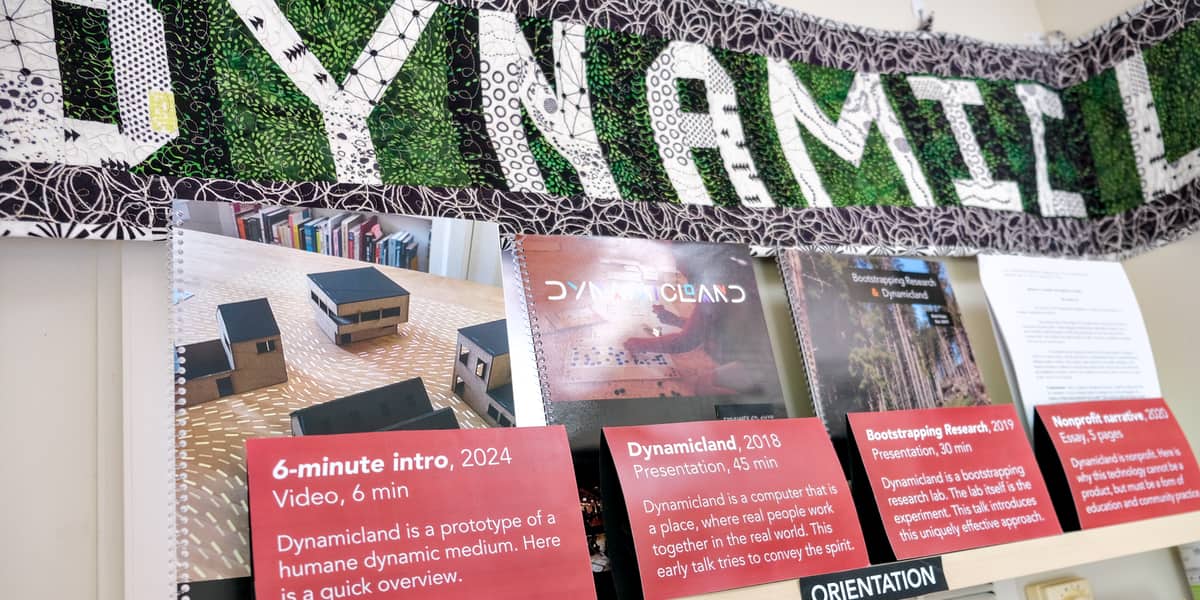
What ancient philosophy really thought about domestic life | Aeon Essays
The household is a community, as much as the state, and ancient philosophy had much more to say about it than we think
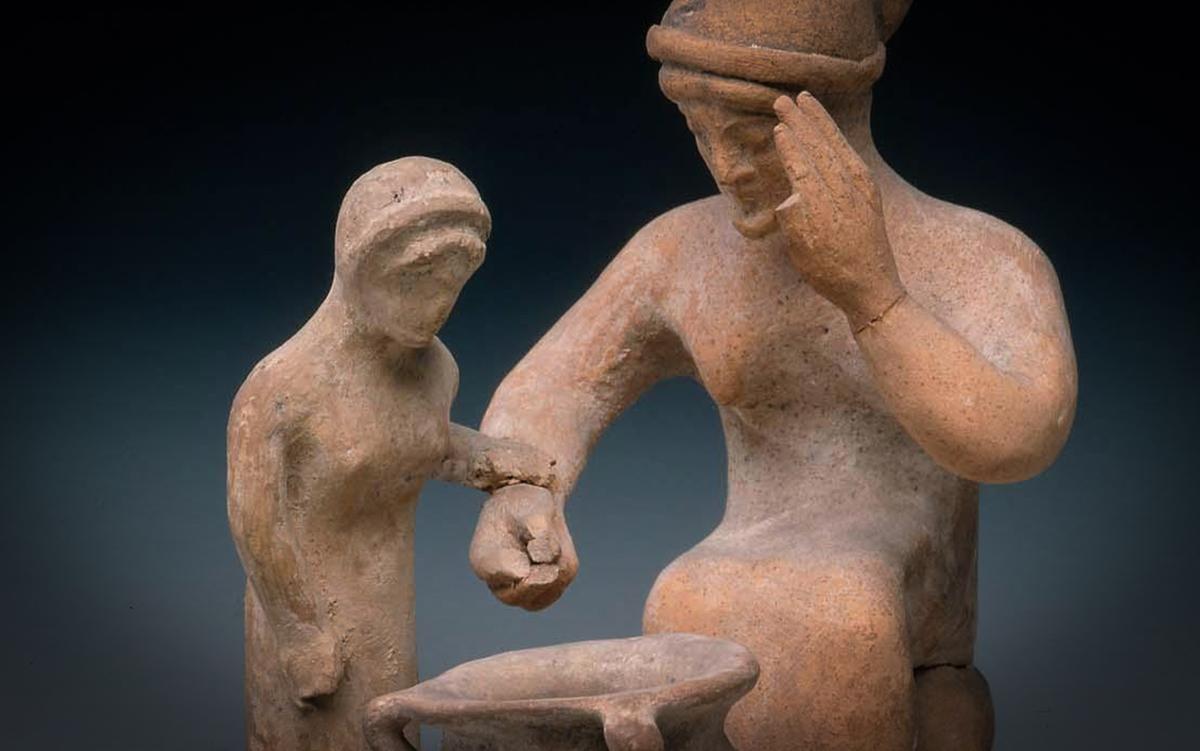
Home is where the bits flow
We aren’t purely physical beings. Most of our day exists outside our body. Our minds slip out through our eyes, out into our screens. We become a different kind of organism, living in a weird symbiosis with reddit and whatsapp and gmail. When was the last time you noticed
Black rat snake - Pantherophis obsoletus
Crow Busters - Crow Recipes
Historically, crows, as well as other non-songbird species have been common fare. Remember "four and twenty blackbirds baked in a pie"? Our revulsion seems to center around the fact that the crow and it's close relatives are scavengers and therefore unfit to eat. Well, as far as pigs and chickens are concerned, you just wouldn't believe what these supermarket critters will stick in their mouths. Seafood? You honestly don't want to know what goes into a Blue Crab before it ends up on that expensive crab cake platter. I suppose the same goes for lobsters. The list goes on.
Flukebook
Flukebook helps you study, identify and protect marine mammal populations!
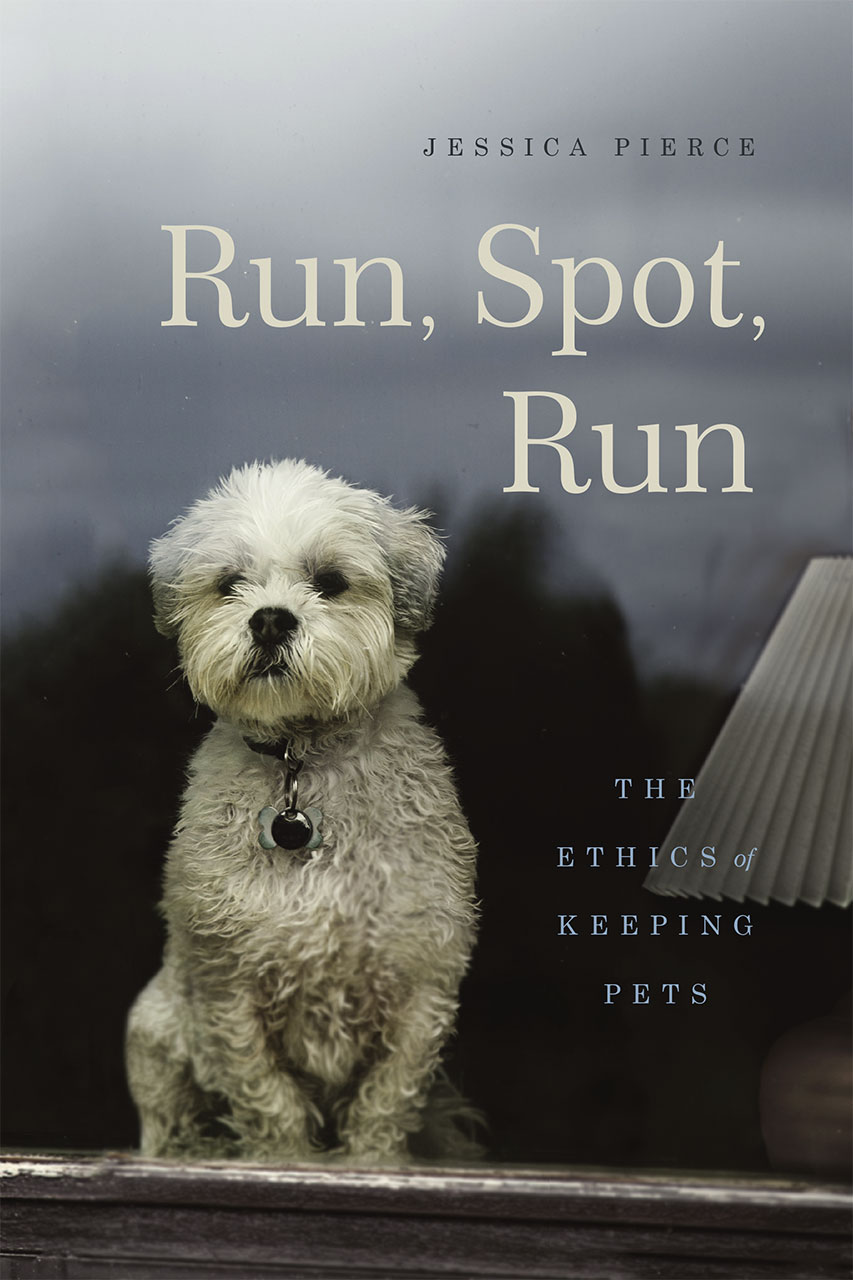
Run, Spot, Run: The Ethics of Keeping Pets
A life shared with pets brings many emotions. We feel love for our companions, certainly, and happiness at the thought that we’re providing them with a safe, healthy life. But there’s another emotion, less often acknowledged, that can be nearly as powerful: guilt. When we see our cats gazing wistfully out the window, or watch a goldfish swim lazy circles in a bowl, we can’t help but wonder: are we doing the right thing, keeping these independent beings locked up, subject to our control? Is keeping pets actually good for the pets themselves? That’s the question that animates Jessica Pierce’s powerful Run, Spot, Run. A lover of pets herself (including, over the years, dogs, cats, fish, rats, hermit crabs, and more), Pierce understands the joys that pets bring us. But she also refuses to deny the ambiguous ethics at the heart of the relationship, and through a mix of personal stories, philosophical reflections, and scientifically informed analyses of animal behavior and natural history, she puts pet-keeping to the test. Is it ethical to keep pets at all? Are some species more suited to the relationship than others? Are there species one should never attempt to own? And are there ways that we can improve our pets’ lives, so that we can be confident that we are giving them as much as they give us? Deeply empathetic, yet rigorous and unflinching in her thinking, Pierce has written a book that is sure to help any pet owner, unsettling assumptions but also giving them the knowledge to build deeper, better relationships with the animals with whom they’ve chosen to share their lives.
Opinion | We Aren’t Built to Live in the Moment (Published 2017)
What best distinguishes human beings from other animals is our foresight, as scientists are just beginning to recognize.
