

"So, I want to return to one part of that 2006 presentation which I still find relevant - the formation of Spime Script. We're entering a phase where hardware will become increasingly as malleable as software which leads to a problem of choice - if I want to change the function of something, do I do this in software or hardware? The tendency today is obviously towards software because its more malleable but the future is never the past. However this creates a problem of skill - will I need to become proficient in both software and CAD / electronic design?
Malleable Software in the Age of AI - Geoffrey Litt
Smart Disorganized Individuals: SpimeScript
These days, I'm thinking a lot about 3D printers, desktop manufacturing and software to create physical things. Last year I did some art...
Spime
Spime is a neologism for a futuristic object, characteristic to the Internet of Things,[1] that can be tracked through space and time throughout its lifetime.[2] They are essentially virtual master objects that can, at various times, have physical incarnations of themselves.[1][3] An object can be considered a spime when all of its essential information is stored in the cloud.[4] Bruce Sterling sees spimes as coming through the convergence of six emerging technologies, related to both the manufacturing process for consumer goods, and through identification and location technologies. Depending on context, the term "spime" can refer to both—the archetype, as designed by the developer, or a user-specific instance of it.
Geoffrey Litt
Welcome! I work on malleable software: computing environments where anyone can adapt their software to meet their needs with minimal friction. To see what that means to me, read this essay or listen to this interview.

Improving My Hardware Workflow With CI and Nix
One thing you might notice if you read my blog is that I do a lot of hardware projects. Generally, these include a board, some software, and possibly some extraneous components (like CAD design, such as a case). Software tooling is quite mature, but I find that hardware had traditionally lagged quite a bit behind. For a while, I just lived with this, but over the last few months I've put in a bunch of effort to improve my workflow.

Our interfaces have lost their senses
We programmed them by punching cards, plugging in wires, and flipping switches. Programmers walked among banks of switches and cables, physically choreographing their logic. Being on a computer used to be a full-body experience.
THE PEOPLE DO NOT YEARN FOR AUTOMATION
Software brain is changing the world, but most people still aren’t buying.

THE PEOPLE DO NOT YEARN FOR AUTOMATION
Software brain is changing the world, but most people still aren’t buying.
What is Malleable Software Now | Bryan Min (02-27-2026)
After automation: Software will work for you, not on you
Alex Komoroske, CEO and cofounder, Common Tools — AI promises “infinite software”—endless tools tailored to every need—but funneled through today's app stores, that abundance just means more silos, more trapped data, and more to orchestr...
I Started Programming When I Was 7. I'm 50 Now, and the Thing I Loved Has Changed | James Randall
I still love developing but the shifts that AI have brought are tectonic and are forcing me to re-evaluate my own relationship to building things

brett goldstein on Twitter / X
my hot take is that 99% of software can be built with the same set of finite elementsspending time/tokens building any of this from scratch over and over again is peak AI psychosis pic.twitter.com/MRIK1UgtET— brett goldstein (@thatguybg) July 18, 2026

Code Is Cheap Now. Software Isn’t.
The barrier to entry for building software has collapsed. The barrier to building something that matters hasn’t moved an inch.
The future of programming and computing

Trends and adjacent possibles for the future of how computers are used and programmed
LIMITS 2026 -- Workshop on Computing within Limits
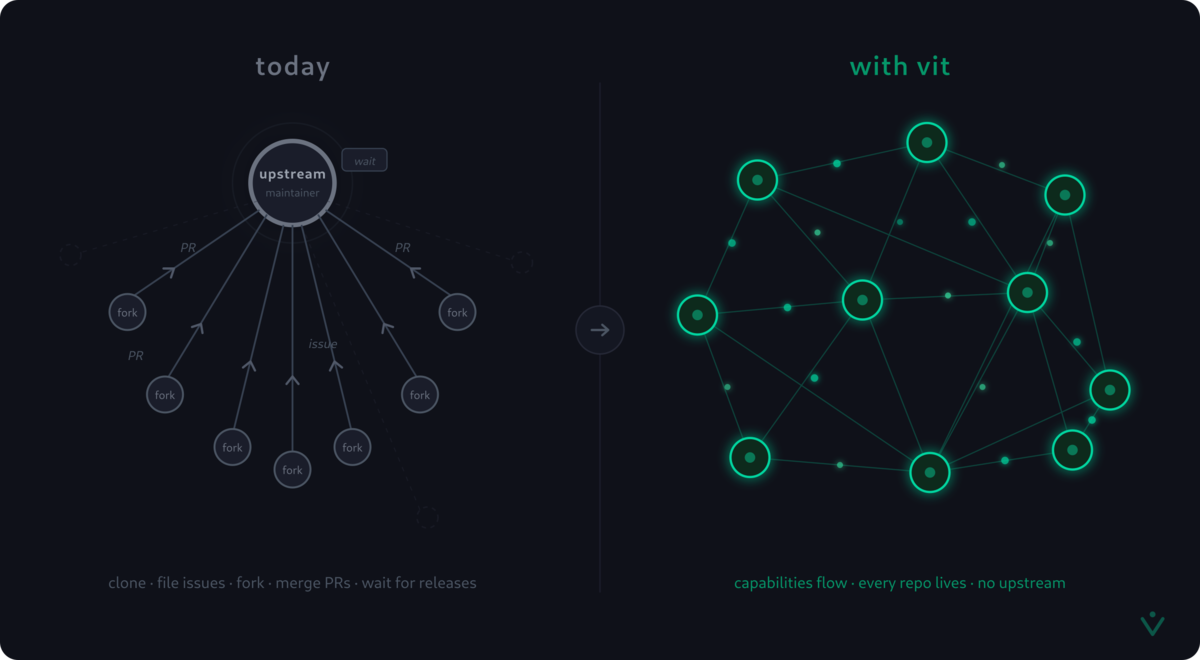
vit — open source is social

Humans approve intent, machines prove conformance
Introducing System One Models and Jev - TypeSafe AI Blog

Message from our CEO: After co-inventing ChatGPT, I kept asking myself: why have superhuman chat models not led to AGI? I’ve spent the last…
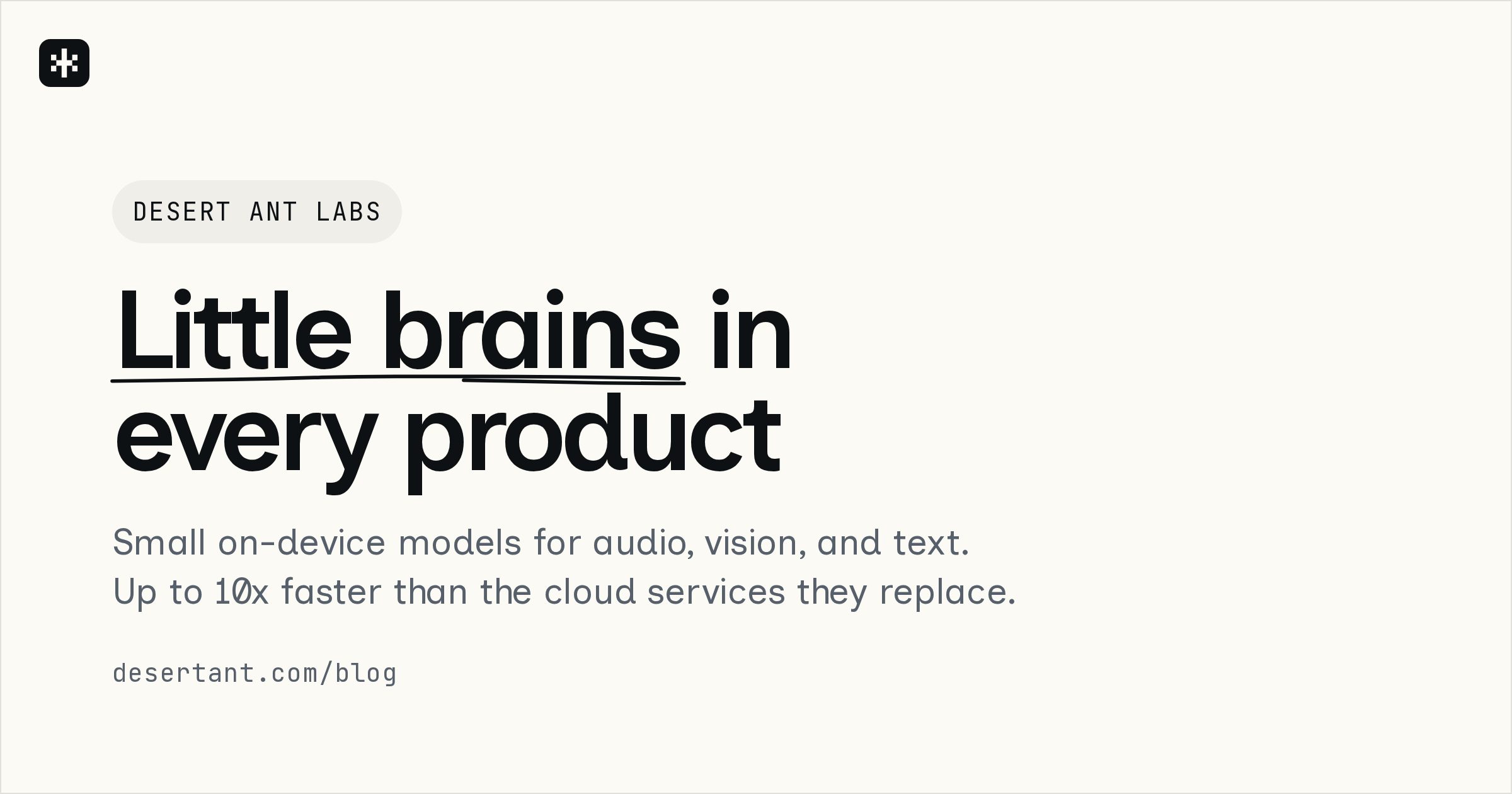
On-device intelligence for every product

